Locking Window Handles: FAQs on Keys and Replacements
Locking window handles are an essential component for home security, child safety and draught reduction. This article answers the most common FAQs about ke...
Locking window handles are an essential component for home security, child safety and draught reduction. This article answers the most common FAQs about keys and replacements, and offers practical guidance for homeowners and tradespeople on selecting, fitting and maintaining locking window handles to ensure reliable operation and long-term performance.
What are locking window handles and why they matter
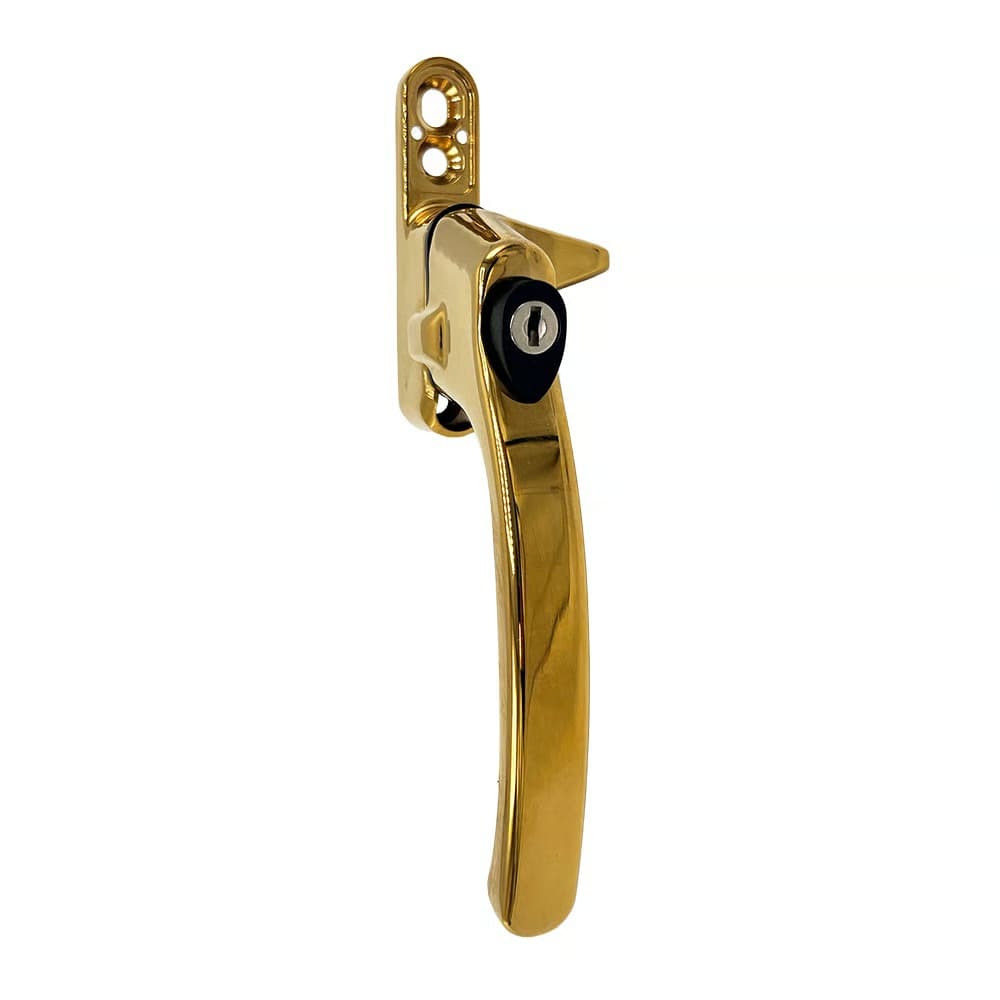
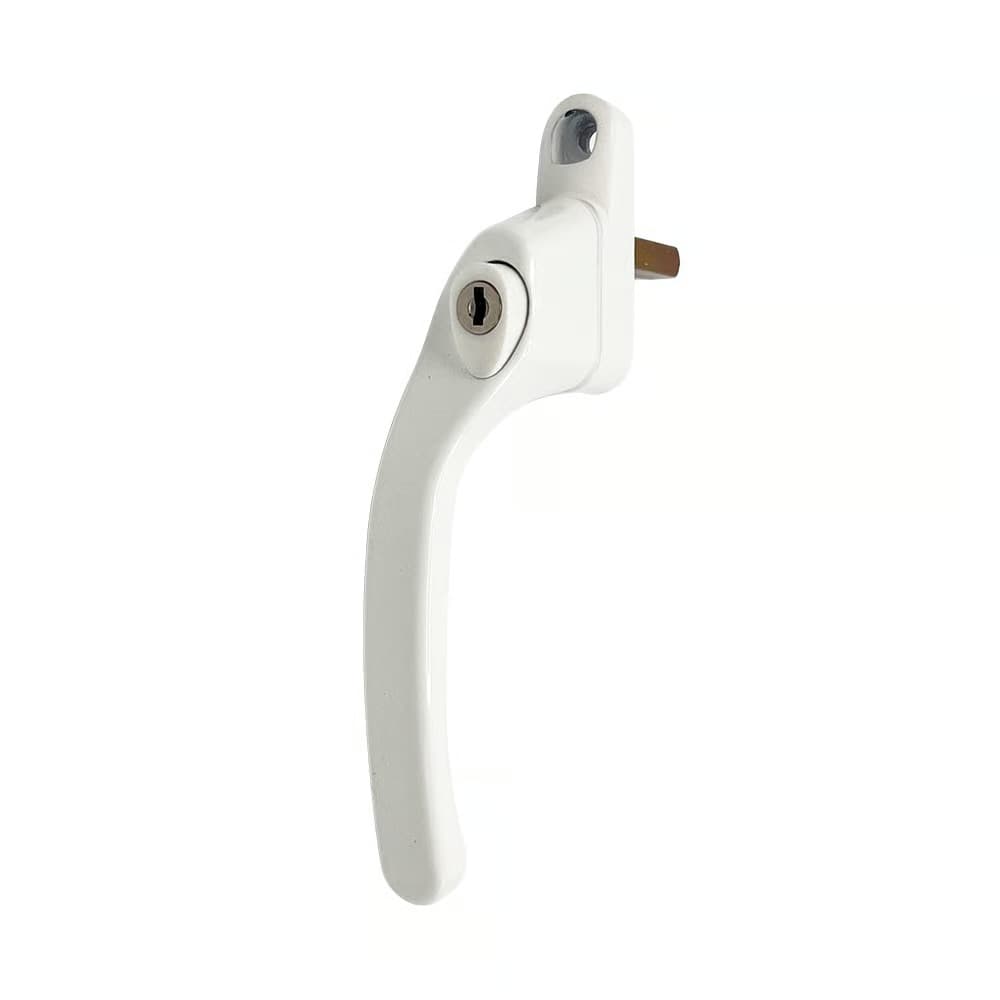
Locking window handles incorporate an integral lock or require a separate key to secure the handle in position. They are used on uPVC, aluminium and timber windows and provide a straightforward deterrent to opportunistic intruders, prevent unauthorised opening and help avoid accidental opening by children. Properly specified locking window handles also contribute to weather-sealing and reduce heat loss where windows close tightly.Types of locking mechanisms
There are three common locking arrangements:- Key-operated locks: The handle is secured by a key cylinder; turning the key locks the handle in place.
- Push-button or thumb-turn locks: A mechanical catch operated from inside locks the handle without a key.
- Integral multi-point locking handles: Often used with espagnolette or espag gear, these handles connect to the window’s internal locking rods and may require a key.
Key-related FAQs
Are replacement keys readily available Most reputable manufacturers supply spare keys; manufacturers such as Yale and Mila offer standard key profiles that can be ordered singly. For named product ranges, keys are usually available from the retailer or a locksmith who can cut to the manufacturer’s profile.Can keys be duplicated Yes, keys for common window handle ranges can usually be duplicated by a locksmith. Some higher-security cylinders may be restricted-key systems requiring authorised dealers for duplication; these are typically used where key control is important.
What to do if the key is lost First, disable the handle by removing the handle spindle or fitting a temporary cover to the lock cylinder to prevent operation. Evaluate whether a simple key replacement is acceptable or whether cylinder replacement is necessary for security. For standard key profiles, ordering a replacement is straightforward; for restricted systems, contact the supplier for authorised replacement keys or a cylinder change.
Replacing locking window handles: compatibility checklist
Compatibility is the critical factor when replacing locking window handles. Tradespeople should always check the following before ordering parts:- Backset and spindle length: Measure from the centre of the handle fixings to the centre of the spindle, and the thickness of the window profile.
- Fixing hole centres: Many handles use 43mm or 70mm screw centres; confirm the measurement to ensure a direct swap.
- Gear type: Determine whether the handle operates a cockspur, espagnolette (espag) or centre-locking mechanism.
- Handing: Note whether the handle is left- or right-handed when viewed from inside.
- Locking type: Match keyed, thumb-turn or push-button versions according to required function.
Step-by-step replacement guidance (practical)
1. Remove the existing handle: Position the window to a safe state, unscrew the fixing screws and withdraw the handle. For some keyed models the cylinder will need to be turned to a release position. 2. Inspect the spindle and mechanism: Confirm spindle size and condition. Replace corroded or bent spindles to prevent premature wear. 3. Measure and match: Use the compatibility checklist above to select a replacement that fits the gear type and screw centres. 4. Trial-fit the new handle: Engage the spindle, align fixing holes and secure the handle with the appropriate screws. Avoid over-tightening to prevent handle distortion. 5. Test locking operation: Cycle the lock several times and test with the key where applicable to ensure smooth operation and full engagement of locking points. 6. Final adjustments: Lubricate moving parts with graphite or light machine oil, not silicone, and re-check screw tightness after a few days’ use.Maintenance and troubleshooting
Regular maintenance extends service life. Recommended actions include:- Lubrication: Apply a little graphite powder or T9 oil to the key barrel and moving parts annually.
- Cleanliness: Keep the handle and surrounding frame free from grit and paint runs that can obstruct moving parts.
- Tightening: Check and re-tighten handle fixings periodically.
- Corrosion: Replace corroded spindles and fixings to prevent binding.
- Stiff handle: Lubricate and check for misaligned locking points or warped frames.
- Key won’t turn: Apply graphite to the cylinder; if the problem persists, remove the cylinder for inspection or replace it.
- Handle loose or wobbly: Tighten fixings and replace stripped screws with appropriate-size variants.