Locking Window Handles: Fixing a Handle That Won’t Lock
Locking window handles play a vital role in security and ease of use, but a handle that won’t lock can be a source of frustration and a potential security...
Locking window handles play a vital role in security and ease of use, but a handle that won’t lock can be a source of frustration and a potential security risk. This article explains how to diagnose common causes and provides practical, step-by-step repairs for homeowners and tradespeople. Advice covers inspection, simple fixes, replacement options and preventative maintenance suitable for uPVC, aluminium and timber windows.
Identify the problem first
A systematic inspection saves time. Start by noting how the handle fails to lock:
- Handle turns freely without engaging the lock.
- Handle moves into the locking position but the mechanism feels loose.
- Handle locks but the window does not stay secure.
- Handle won’t reach the locking position or binds partway.
Safety and tools
Basic tools and supplies typically required:
- Philips and flat screwdrivers
- Allen keys (often 4mm or 3mm)
- Replacement screws and spindle (measure existing spindle length)
- Penetrating oil or graphite lubricant (avoid heavy grease for locks)
- Cloths, masking tape, small mirror
- Replacement handle suited to the locking type
Quick fixes for a handle that won’t lock
1. Tighten loose screws - Often the handle plate or rose screws have worked loose, causing the spindle to slip. - Remove the handle cover or unscrew the rose, tighten screws and reassemble.
2. Check and replace the spindle - If the spindle is worn or rounded, the handle will not engage the mechanism. Measure the spindle length and the square size (commonly 7mm) before replacing. - A new spindle is a fast remedy and inexpensive.
3. Re-align or replace the keeps/striker - If the handle locks but the sash does not draw in or stays loose, the keep might be worn or out of alignment. - Adjust the keep position slightly up/down or in/out to ensure full engagement. File lightly if the striker is sharp or damaged.
4. Lubricate moving parts - Use a graphite or dry lubricant for locking gears; penetrating oil can free seized parts but avoid oiling where it will attract dust. - Operate the handle several times to distribute lubricant.
Specific mechanisms and targeted solutions
- Espag (espagnolette) handles: These use a gearbox with locking cams and hooks. If the handle moves but the hooks don’t travel, access the gearbox by removing the handle and escutcheon. Check for stripped gears or a broken gearbox. The TSS Cockspur Window Handles is a compatible replacement for many espag windows and includes robust security features.
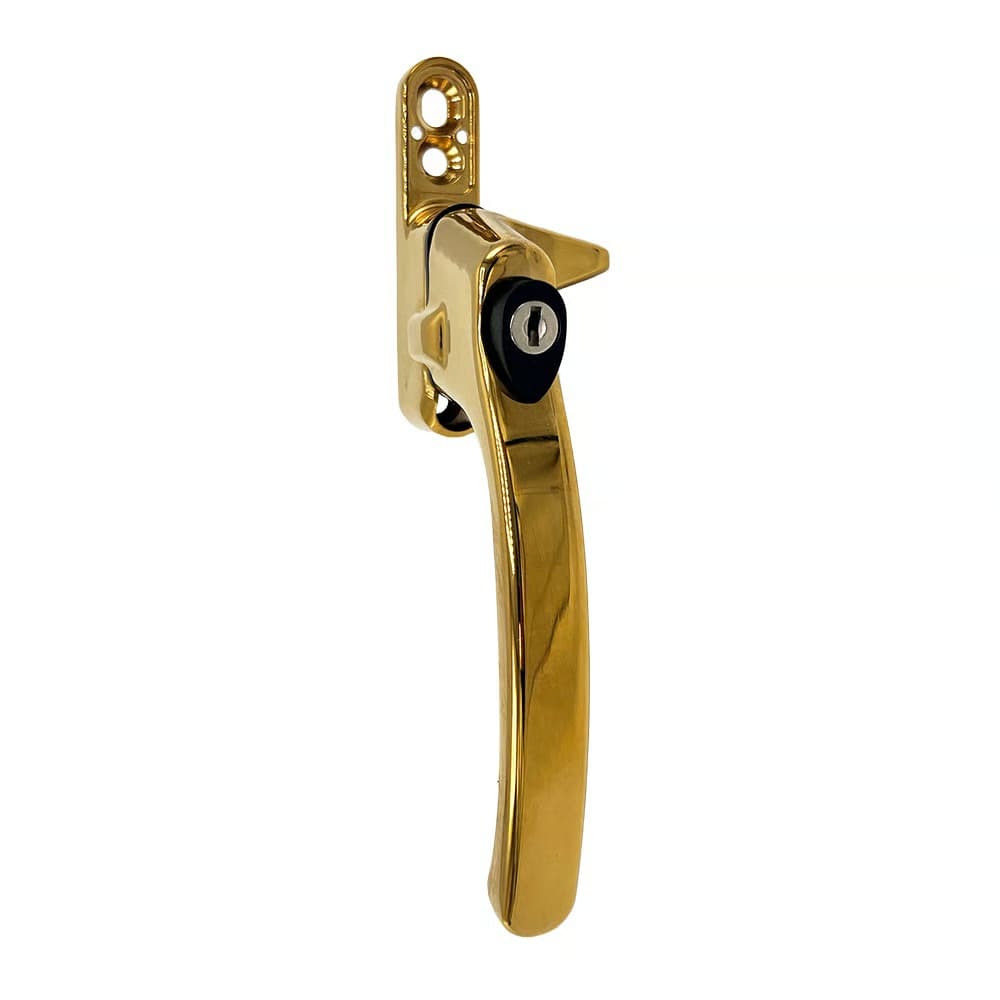
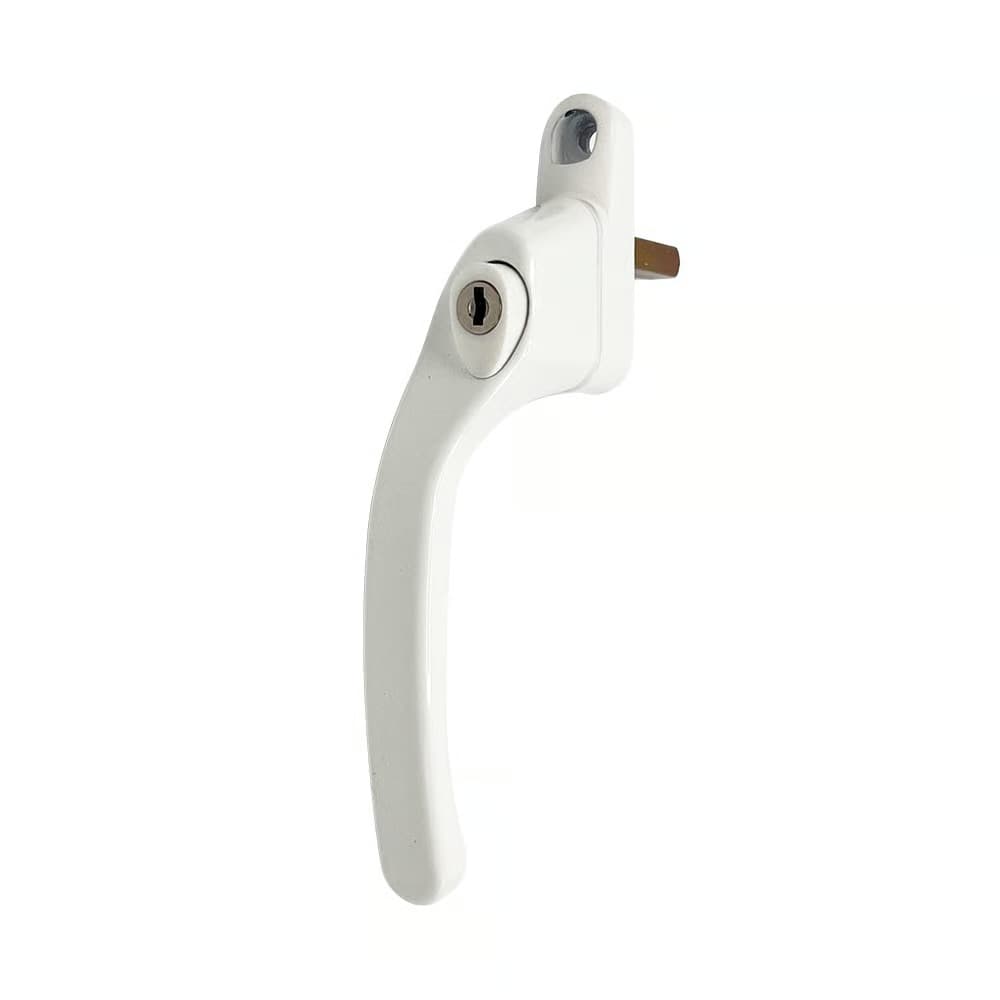
- Cockspur handles: Cockspur failures are commonly due to worn or bent lugs. Lubricate and inspect the screw-fixed latch points in the frame. If the handle cannot reach the frame catch, consider replacing with a new cockspur handle such as the TSS Cockspur Window Handle which is available in a range of finishes and lengths.
- Sash locks and centre-locking handles: For multi-point systems using centre-lock handles, a binding handle may indicate a failing gearbox or misaligned multipoint lock. Replacing the handle with a quality product like the TSS Offset UPVC Window Handles can resolve wear-related issues and restore secure locking.
Replacing the handle: step-by-step
1. Remove the old handle - Unlock the handle if possible. Unscrew the fixing screws (usually beneath a cover) and withdraw the handle and spindle. 2. Inspect the spindle and gearbox - Note the spindle type and length. If the gearbox shows obvious damage, plan to replace it or the whole unit. 3. Fit the new spindle and handle - Insert the new spindle ensuring it sits squarely into the gearbox. Fit the handle, align, and tighten screws without overtightening. 4. Test operation - Cycle the handle through open, closed and locked positions. Check the sash draws into the frame and that the locking pin or hooks engage fully. 5. Final adjustments - Adjust frame keeps or striker plates as necessary to remove any binding and ensure smooth, secure operation.
When to replace the gearbox or call a professional
If a gearbox is stripped, a hook or mushroom cam is broken, or the locking mechanism is corroded, a full gearbox replacement or new hardware may be the only reliable solution. Tradespeople should replace the gearbox with manufacturer-compatible parts to preserve operation and security. Homeowners encountering seized mechanisms that resist straightforward remedies should contact a qualified window repairer to avoid damaging the frame or glass.
Maintenance to prevent future failures
- Operate locking window handles monthly to keep mechanisms moving.
- Clean and lightly lubricate moving parts annually with a suitable dry lubricant.
- Tighten screws periodically and inspect for wear on spindles and keeps.
- For coastal properties, use corrosion-resistant finishes and inspect hardware more frequently.