Locking Window Handles for uPVC: Buyer’s Guide
Locking window handles are a simple, cost-effective way to improve security, durability and usability of uPVC windows. This guide explains the types availa...
Locking window handles are a simple, cost-effective way to improve security, durability and usability of uPVC windows. This guide explains the types available, how to choose the right handle for specific window styles, fitting considerations, and maintenance tips for long-term performance. It is written for homeowners and tradespeople seeking practical, actionable advice for selecting and installing locking window handles on uPVC frames.
Why choose locking window handles for uPVC
Locking window handles offer three main benefits: enhanced security, controlled ventilation and improved compliance with building or tenancy requirements. The lock mechanism prevents unauthorised opening from outside and reduces the risk of accidental opening by children. On windows used for night-time ventilation or in ground-floor rooms, a secure handle provides peace of mind without compromising functionality.
Quality locking handles also reduce wear on the window’s espagnolette or multipoint locking mechanism by preventing forceful movement when the handle is used incorrectly. For tradespeople, specifying a robust handle can reduce call-backs and warranty issues.
Common types of locking window handles
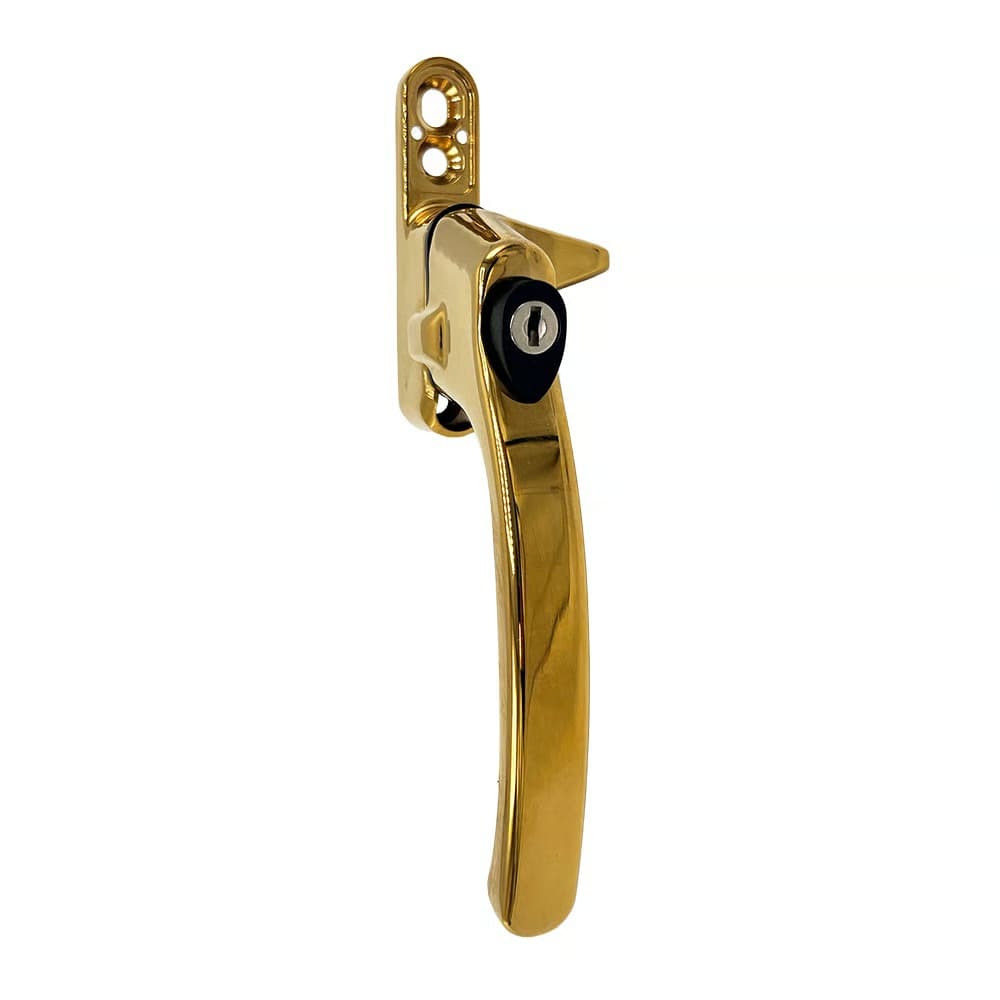
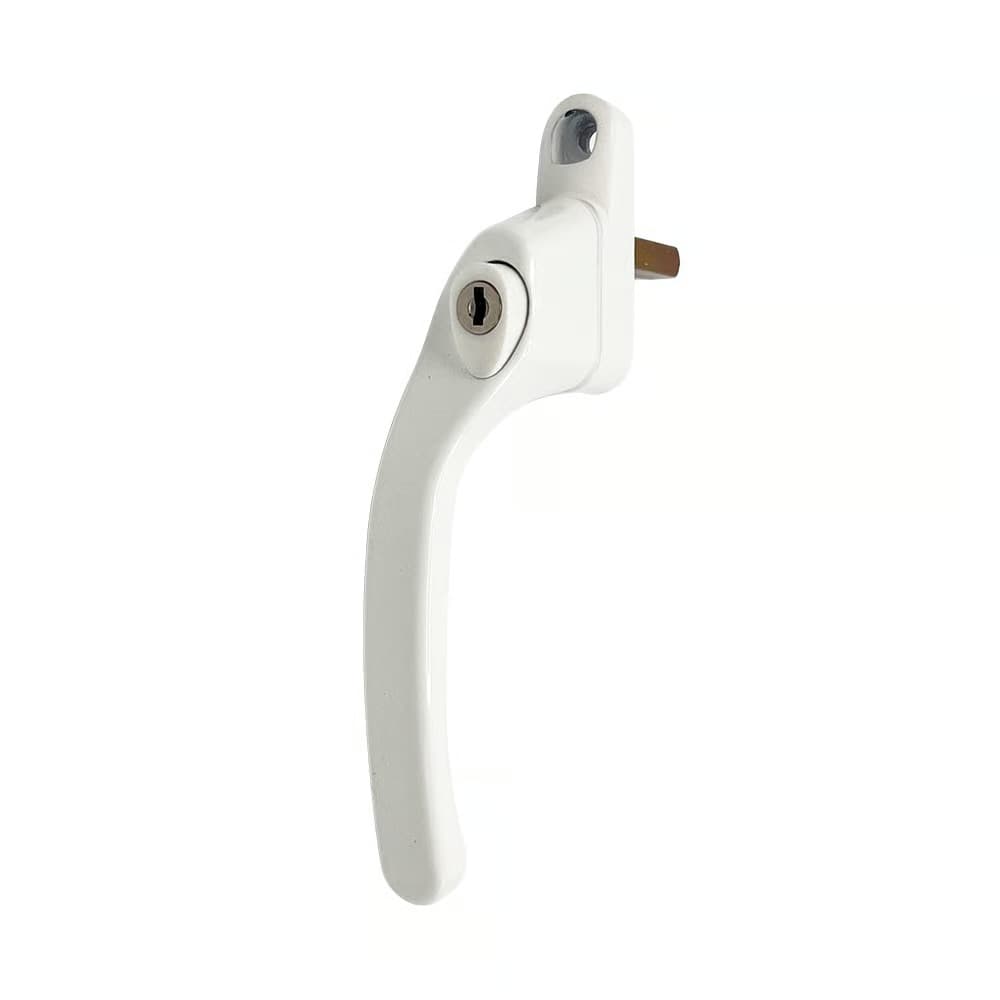
- Espag (espagnolette) handles: These are the most common for casement uPVC windows and work with espag rods and cams. They usually fit a standard spindle and have a key-lock cylinder or push-in lock.
- Cockspur handles: Surface-mounted handles that hook over a keeps; often used in older frames or where internal hardware access is limited.
- Tilt-and-turn compatible handles: Larger and designed to work with tilt-and-turn gearing; they require correct spindle size and fixing centres.
- Child-safety handles: Restrictors or handles with limited opening positions to comply with safety standards for high-level windows.
Specifying the correct handle: measurements and compatibility
Accurate measurement is essential for a successful replacement or retrofit. The key dimensions and details to record are:
- Spindle size and type: Measure the square spindle length from the handle base to where it meets the gearbox. Common lengths are 35mm, 40mm and 45mm but confirm the exact size.
- Fixing centres: Distance between screw holes that secure the handle to the frame, typically 43mm or 92mm depending on handle type.
- Handing: Whether the handle is left- or right-handed. Hold the window from the inside and note which side the hinges are on when facing out.
- Lock engagement: Determine whether the handle locks into the espagnolette gearbox with a cam, or whether it uses a separate mortice or key cylinder.
- Backset and frame style: Some frames need rectangular rosettes or longer backset to clear profile trims.
Security features to consider
- Keyed locking: A key-locking handle offers good outward security, particularly at ground-floor locations. Check whether the key locks in both positions or only in the closed position.
- Push-to-lock and pop-out keys: For convenience, some handles lock with a push and release mechanism; choose robust designs to avoid failures.
- Anti-snap and reinforced rosettes: Look for handles with reinforced fixings or anti-rotation features to prevent lever snapping or forced entry.
- Certification: Handles tested to recognised standards like PAS 24 or Secured by Design provide assurance of performance. For rentals or high-risk properties, specify certified components.
Installation best practice (actionable steps)
1. Gather tools: torque screwdriver, allen keys, tape measure, marker, replacement screws and possibly a new spindle. 2. Remove the old handle: unlock and return to neutral position, remove visible screws, and slide the handle off the spindle. Keep parts to compare. 3. Check spindle and cassette: Inspect the spindle for wear and confirm the cassette or gearbox condition. Replace the cassette if teeth are worn. 4. Fit new handle: align spindle and slide handle on to the mechanism. Ensure the handle sits flush and the rosette aligns with fixing holes. 5. Secure fixings: tighten screws evenly and avoid over-torquing plastic window frames which can crack. Confirm the handle operates the espagnolette fully. 6. Set locking mechanism: test the key or push-lock several times to ensure smooth engagement. Lubricate with a light PTFE spray if required. 7. Final checks: operate the window through full open and closed cycles, check for binding, and re-tighten after a few days of use as plastic components seat.
Tradespeople should observe manufacturer torque settings and avoid using longer screws that might contact the internal hardware.
Maintenance and troubleshooting
Regular checks will extend handle life and maintain security:
- Clean and lubricate annually using a suitable dry lubricant on the spindle and lock barrel to prevent grime build-up.
- Tighten loose screws promptly to avoid twisting the rosette or handle lever.
- Replace corroded or badly worn handles; minor play can indicate internal wear in the gearbox.
- For sticky locks, spray a small amount of graphite or PTFE into the keyway rather than oil-based lubricants which attract dust.
Cost and specification tips for projects
Locking window handles range from economical cockspur types to premium keyed models. Budget projects can use robust cockspur handles for older frames, whereas security-sensitive installations benefit from keyed espag handles with reinforced fixings. For new-builds or refurbishments, specifying matching handles across a property improves aesthetics and simplifies key management when using keyed variants.
For trade packs or bulk orders, confirm batch matching to avoid slight finish differences between production runs. Keep records of spindle sizes and fixing centres for future maintenance.
Conclusion
Choosing the right locking window handles for uPVC involves matching the handle type and measurements to the window’s hardware, selecting appropriate security features and following correct installation and maintenance routines. Well-specified handles enhance security and reduce long-term maintenance. For further reading on handle types and fitting guidance, consult the broader Window Handles Guide.