Window Handles
Locking Window Handles for uPVC Windows: A Complete Guide
Locking window handles for uPVC windows are a key component for improving security, ventilation control and child safety in homes and commercial premises....
Window Hardware Store Team
1 March 2026
5 min read
Locking window handles for uPVC windows are a key component for improving security, ventilation control and child safety in homes and commercial premises. This guide explains the main types, compatibility considerations, fitting and maintenance tips, plus practical advice on choosing the right handle for different situations. It is written for homeowners and tradespeople seeking clear, actionable information on locking window handles upvc windows.
Why choose locking handles for uPVC windows
Locking handles provide a visible deterrent to opportunistic intruders and allow windows to be secured in various positions. For ground-floor rooms, windows near easy access points and properties where additional child safety is needed, a locking handle is a simple upgrade that reduces risk without altering existing locks within the window gearbox. Why choose a locking handle rather than relying solely on multi-point locks? Because a handle with an independent lock offers quick local control and prevents unauthorised operation at the handle itself.Common types of locking window handles
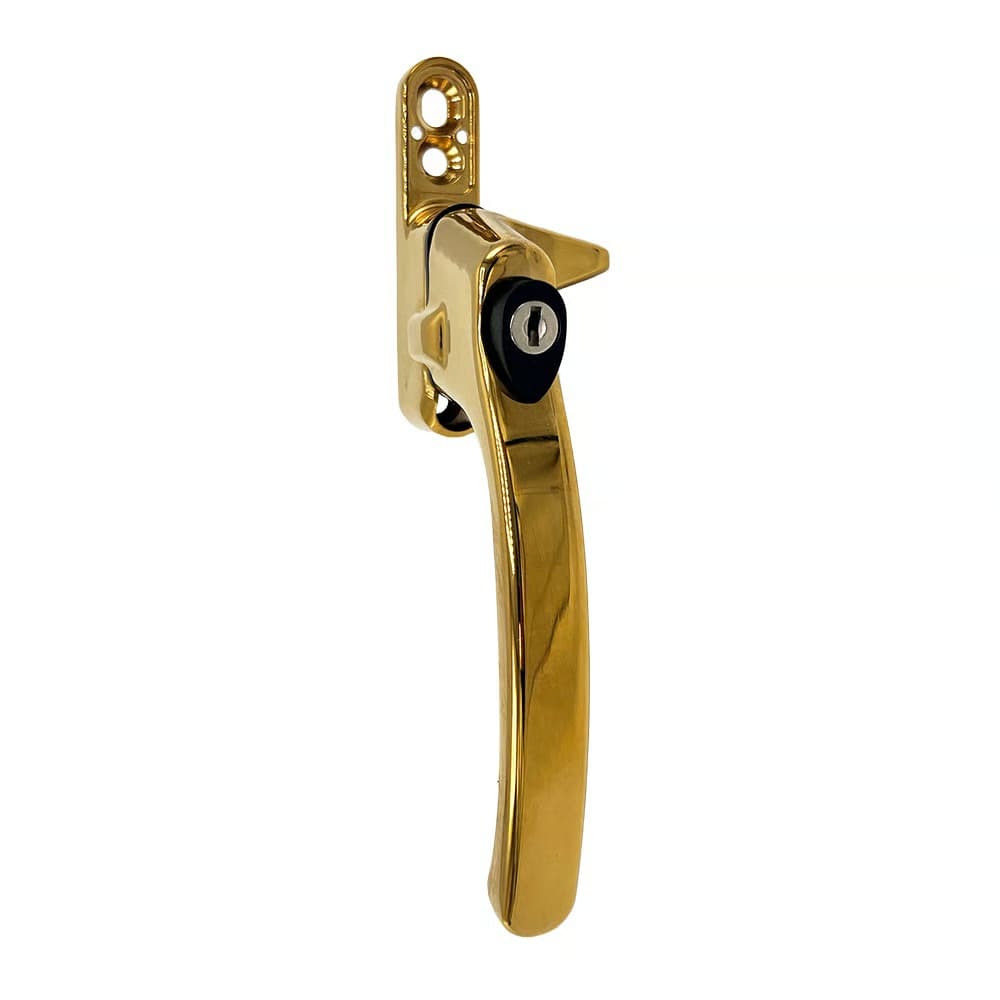
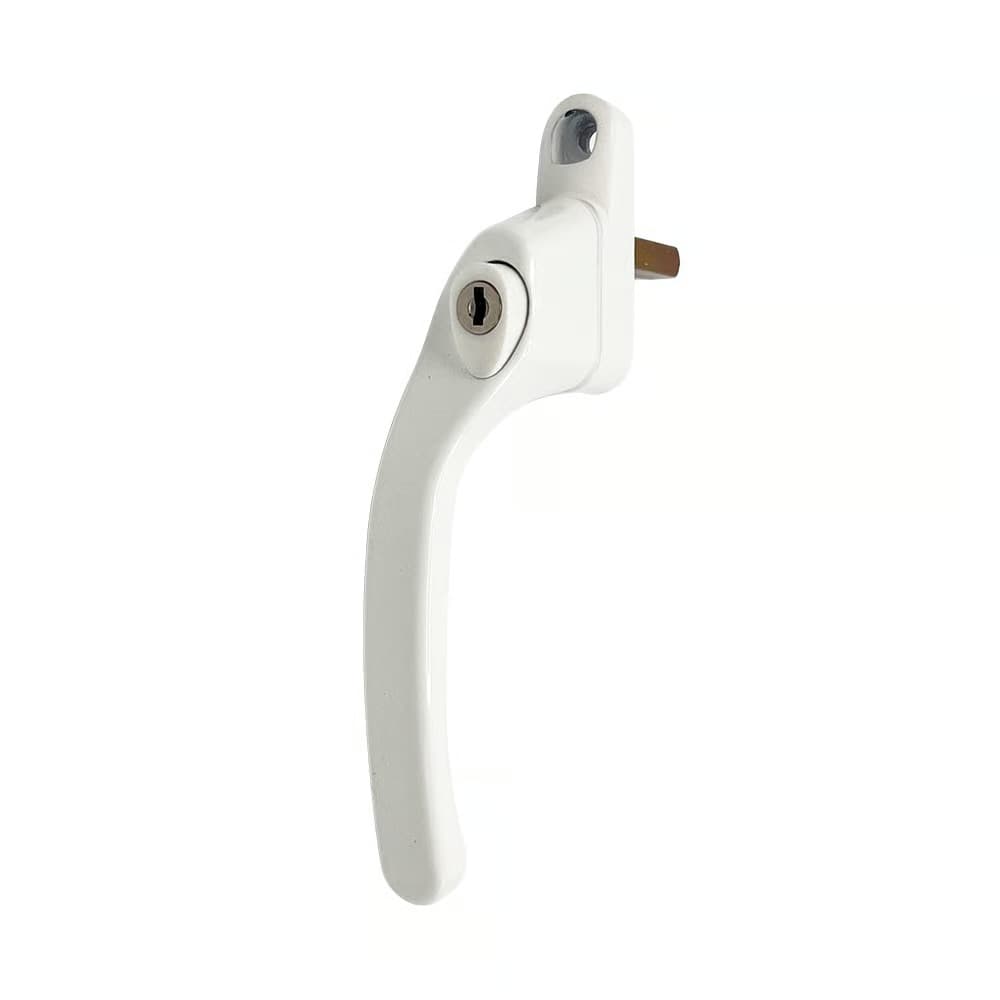
- Espag (espagnolette) handles: These integrate with espagnolette gear and often feature a built-in key lock. They are the most common for modern uPVC windows. The TSS Cockspur Window Handles is an example designed to work with standard espag window plates and offers robust key-locking operation.
- Cockspur handles: Traditional and usually used on casement windows where the handle pulls the window shut against the frame. Locking versions incorporate a key cylinder that prevents rotation. The TSS Cockspur Window Handle is suited to classic casement profiles.
- Cranked or offset handles: For windows where the handle must clear tiles, beads or trickle vents, cranked locking handles provide the required offset while still offering security. Many manufacturers offer cranked variants of their standard locking handles.
- Tilt-and-turn / multipoint handles: For tilt-and-turn systems, locking handles can be part of the multi-point mechanism. The TSS Offset UPVC Window Handles combines a secure keyed lock with the ergonomic operation needed for heavier tilt-and-turn sashes.
Compatibility and measurements
Selecting the correct handle requires checking:- Backset and spindle length: Measure the distance from the handle centre to the fixing holes and ensure the spindle length matches the gearbox or lock. Common spindle sizes are 7mm square, but confirm before ordering.
- Fixing hole centres: uPVC handles typically use screw centres of 43mm, 70mm or other dimensions — measure the distance between visible fixing screws on the existing handle.
- Handle orientation and crank: Determine whether a standard (straight) or cranked handle is required to clear any obstructions such as tiles, vents or handles on adjacent windows.
- Gearbox type: Espag handles couple with espagnolette gear; cockspur handles operate differently. Confirm the handle style matches the window’s locking mechanism.
- Remove the existing handle and measure spindle length from faceplate to end.
- Measure screw centre distance between the two fixing screws.
- Check whether the spindle is square or some other profile.
- Note sash thickness and any requirement for a cranked offset.
Security standards and features to consider
Look for handles that meet recognised standards and include features that enhance security:- Key-locking mechanism: Prevents unauthorised operation and is particularly useful for accessible windows.
- Anti-drill and anti-pick barrels: Enhances door-like security at the window handle.
- High torque and durable materials: Handles should withstand significant force without shearing.
- Tested fixings and screw retention: Secure fixings reduce the risk of handle removal.
Installation and fitting tips
Good practice when fitting locking handles:- Ensure the sash is in the correct position (closed fully) before fitting the handle to avoid misalignment.
- Use thread-lock on fixing screws in high-vibration locations, but avoid over-tightening which can distort uPVC.
- Check and, if necessary, replace the spindle with the correct length. Short spindles can cause slop; overly long ones can prevent full lock engagement.
- Fit the handle with the lock barrel horizontal when closed for easy key access and correct engagement.
- Test operation several times: lock/unlock, open/close and check for any snags or misalignment with the striker or keep.
- For cranked applications, ensure the crank clears any casement beads or mouldings when turning.
Maintenance and troubleshooting
Regular maintenance prolongs service life:- Clean with a mild detergent and lubricate moving parts with a light silicone or graphite lubricant (avoid heavy oils that attract dirt).
- Check fixings annually and tighten if necessary to maintain security and prevent wear.
- If keys become stiff, lubricate the lock barrel with dry graphite or an approved lock lubricant.
- For handles that become loose or misaligned, inspect the spindle and gearbox; replacement of the gearbox is often a straightforward repair if worn.
- Handle rotates but window does not lock: often a stripped gearbox or incorrect spindle engagement.
- Key won’t turn: possible misalignment, dirt in the barrel, or a damaged key. Try lubrication and gentle wiggling; replace the barrel if necessary.
- Handle stiff to operate: usually a build-up of grime or a lack of lubrication; clean and lubricate moving parts.
Choosing the right handle for different situations
- Ground-floor bedrooms and living rooms: Key-locking espag or multipoint handles provide good balance between convenience and security.
- Older properties with casement sashes: Locking cockspur handles suit traditional windows while offering a period-appropriate appearance.
- Properties with ventilation needs or children: Consider handles that allow the window to be locked in a limited-open position or fit supplementary restrictors for controlled ventilation.
Final considerations
Investing in appropriate locking window handles for uPVC windows is a relatively inexpensive way to improve security and usability. For trade installs, specifying compatible parts and carrying common variants reduces call-backs and speeds up fitment. For homeowners, confirming measurements and opting for quality locking mechanisms provides peace of mind and long-term performance.lockingwindow handlesupvc