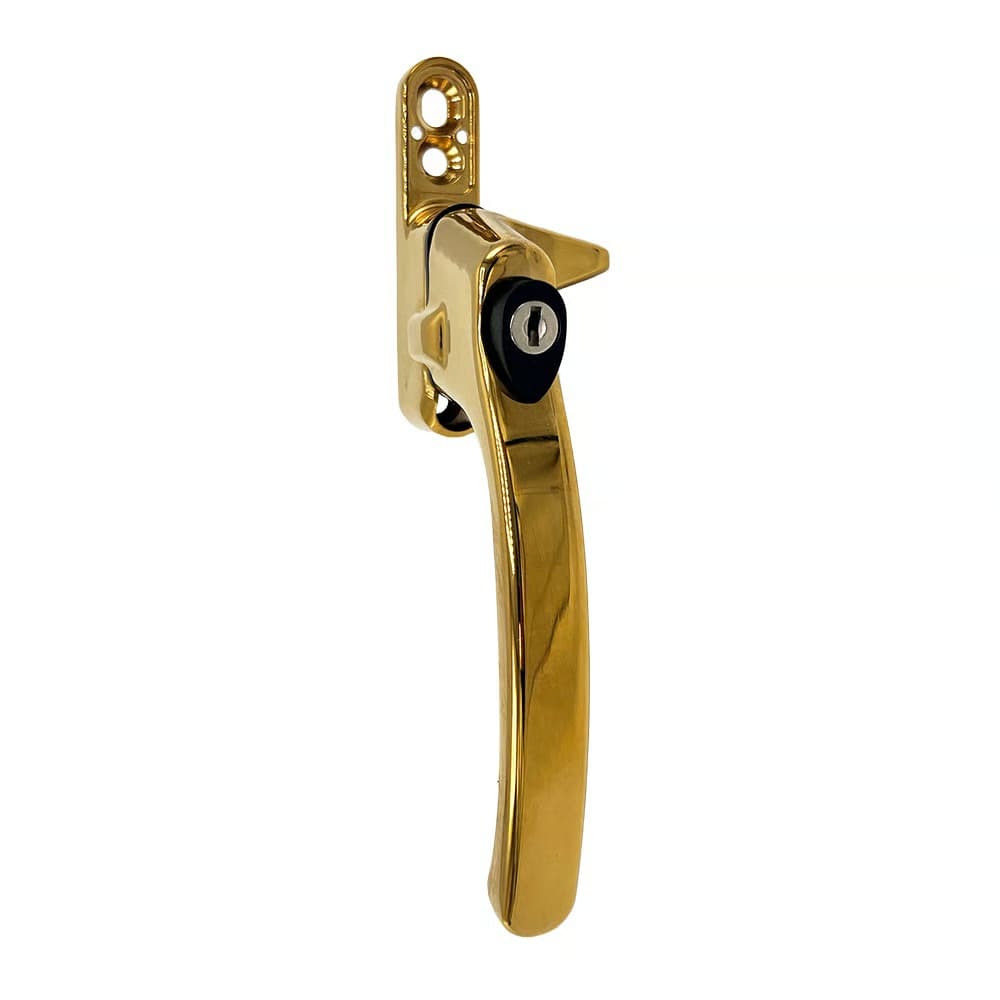
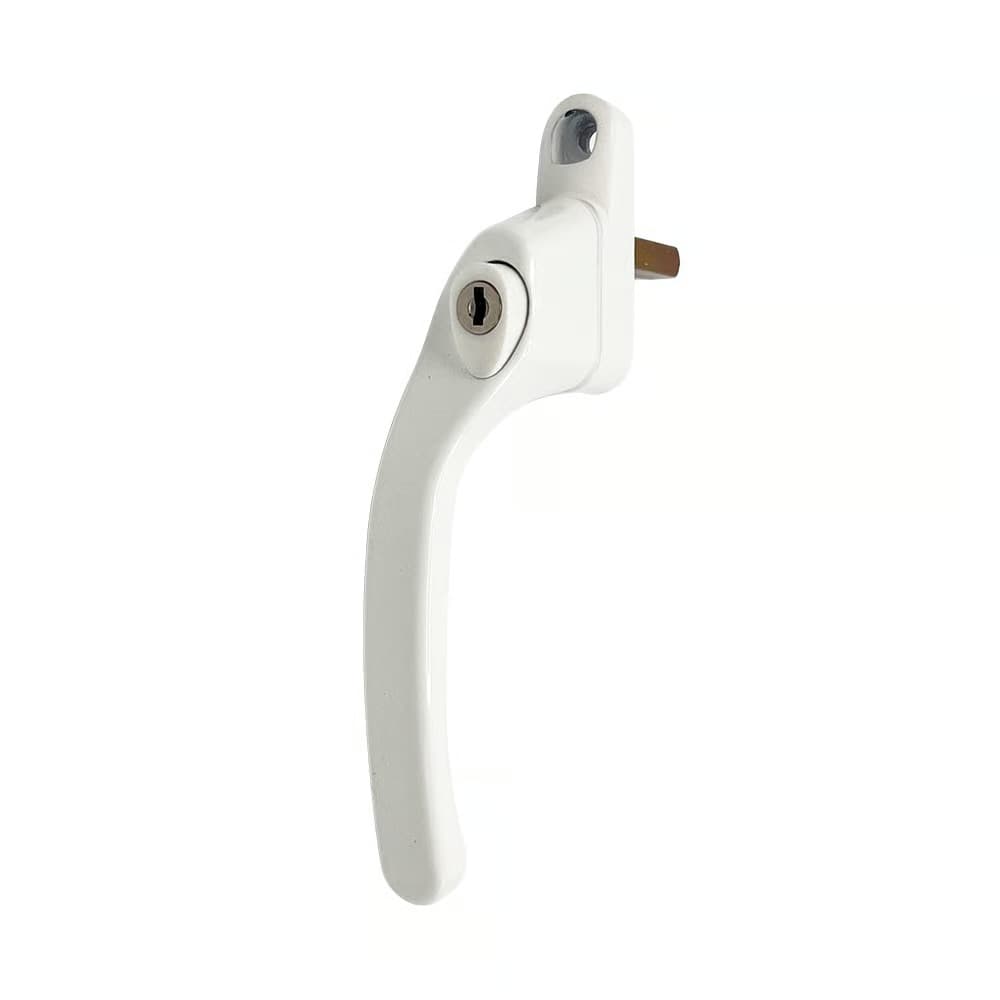
Locking Window Handles for uPVC Windows: Best Finishes (White, Black)
Locking window handles are an essential upgrade for uPVC windows, combining security, ease of use and aesthetic choice. Choosing the right finish—commonly...
Locking window handles are an essential upgrade for uPVC windows, combining security, ease of use and aesthetic choice. Choosing the right finish—commonly white or black—affects not only the appearance of a property but also durability and maintenance needs. This guide offers practical, actionable advice for homeowners and tradespeople on selecting, fitting and maintaining locking window handles for uPVC windows.
Why choose locking window handles for uPVC windows
Locking handles add a simple mechanical deterrent to forced entry while providing peace of mind when windows are left open for ventilation. For uPVC windows, which are widely used across the UK, a locking handle works with the espagnolette or multipoint locking mechanism to secure the window sash. Consider locking handles when replacing worn or non-locking handles, upgrading security to meet insurance requirements, or when matching new frames to an existing colour scheme.
Target keyword use: locking window handles upvc windows.
Common handle types and how finish affects choice
- Espagnolette/espag handles: These are the most common for modern uPVC windows and fit to the central gearbox. A practical choice is the TSS Cockspur Window Handles, which is designed for secure engagement with espagnolette gearboxes.
- Cockspur handles: Suited to older or renovation projects where cockspur hardware remains in place. The TSS Cockspur Window Handle provides a secure, cost-effective replacement option.
- Heritage or lever designs: For period properties, consider designs that replicate traditional ironmongery but with modern locking mechanisms; the TSS Offset UPVC Window Handles is a robust option that fits many standard backsets and screw centres.
- White: The most common finish for uPVC windows, white handles blend seamlessly with white frames and offer a clean, low-contrast look. White handles are generally powder-coated or plastic-coated; check for UV stabilisation to minimise yellowing over time.
- Black: Increasingly popular for contemporary and heritage-style homes, black handles provide a striking contrast and can complement black or anthracite frames. Matte black finishes hide fingerprints and minor scratches better than gloss finishes, but ensure the coating is durable to resist chipping.
Practical selection tips for tradespeople
- Measure before ordering: Confirm screw centres, backset and spindle length. Common screw centres for espag handles are 43mm or 48mm, but always measure the existing handle and gearbox.
- Match gearbox and spindle: Ensure the handle spindle square size and length engage correctly with the gearbox; too short a spindle will fail to operate the locking points fully. Keep spare gearboxes available for onsite swaps.
- Check certification and testing: For higher-security requirements, specify handles that meet recognised standards or are part of a Secured by Design scheme. Also confirm compatibility with multipoint locking systems used on the installation.
- Fastenings and torque: Use the correct torque on fixing screws to avoid compressing PVC material or cracking paint. Consider using nylon washers in softer uPVC to reduce movement and prevent wear.
- Stock decisions: Offer both white and black in common sizes, plus a small range of premium finishes for bespoke work. Keep a selection of right- and left-hand handles to avoid returns.
Installation best practice (actionable steps)
1. Remove the existing handle: Undo the fixing screws and gently withdraw the handle, taking care not to bend or damage the spindle or gearbox. 2. Inspect the gearbox and keeps: Check for grease, debris or worn teeth. Replace any damaged gearbox components before fitting the new handle. 3. Test fit the new handle: Slide the new handle onto the spindle and tighten the screws lightly. Cycle the handle to ensure smooth engagement with the espag rod or locking mechanism. 4. Torque and seal: Tighten fixing screws to a firm but not excessive torque. If fitting to an external-facing location, apply a small bead of neutral-cure silicone around the base to shed water without affecting the finish. 5. Final check: Operate the handle through its full range, check locking function from both lock-on and free-turn positions, and confirm the window fully locks at all points.
Target keyword use: locking window handles upvc windows.
Maintenance and longevity by finish
- White finishes: Clean periodically with a mild detergent and soft cloth. Avoid abrasive cleaners or solvents that can dull the coating. If yellowing appears, replacement may be necessary as refinishing is seldom cost-effective.
- Black finishes: Clean with a damp cloth and non-abrasive cleaner. Black powder-coated handles benefit from occasional wax or silicone polish to maintain sheen and repel moisture. Inspect for chips and address promptly to prevent corrosion under the coating.
- Lubrication: Apply a light machine oil or dry PTFE spray to the spindle and gearbox annually. Avoid heavy greases that attract dust and grit.
- Routine checks: Tighten fixings yearly, check for play in the handle and test the lock barrel and cylinder for smooth operation. Replace worn components before they compromise security.
Matching aesthetics and security
Choose a finish that complements frames and hardware such as door handles and letterplates. For high-value properties, coordinating black external furniture with black window handles maintains a cohesive aesthetic. For rental properties or student accommodation, white handles often balance cost and appearance. Always balance appearance with mechanical robustness: a high-quality black finish with good substrate and coating will outperform a cheaper white handle that flakes or yellows quickly.
Troubleshooting common issues
- Handle stiff or stuck: Inspect gearbox and espag rod for misalignment. Lubricate and check spindle engagement; if stiffness persists, replace the gearbox.
- Loose handle: Re-tighten screws using appropriate washers; if the sash material is stripped, consider using longer or larger diameter fixings into reinforcement points.
- Rattling or play: Check for worn splines or a sheared spindle. Replace the handle and inspect mating parts for wear.