Locking Window Handles for uPVC Windows: Child Safety Tips
Child safety is a leading concern for homeowners with uPVC windows, especially in multi-storey properties and homes with young children. Correctly specifie...
Child safety is a leading concern for homeowners with uPVC windows, especially in multi-storey properties and homes with young children. Correctly specified locking window handles for uPVC windows reduce the risk of falls, prevent unauthorised opening and provide peace of mind without compromising ventilation or functionality. This guide explains practical measures, suitable products and installation and maintenance tips for both homeowners and tradespeople.
Why locking handles matter for uPVC windows
uPVC windows commonly use espagnolette, cockspur or tilt-and-turn mechanisms, each offering different options for restricting opening. A locking handle provides a physical barrier to unauthorised movement and can be a simple key lock, a push-button lock or part of a multi-point locking system. For child safety, the aim is to limit the window opening to a safe gap (typically 100–150 mm for fall prevention) while maintaining adequate ventilation and emergency egress where required.
Choosing the right locking mechanism
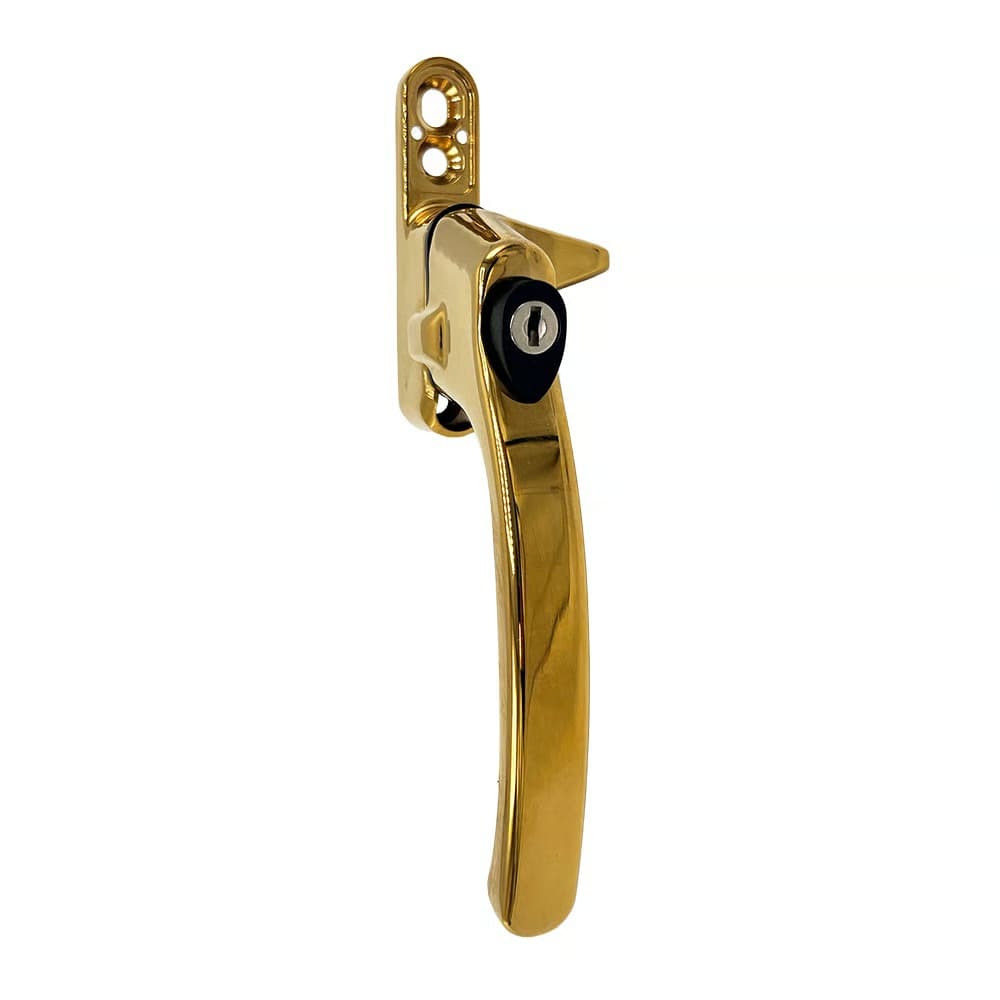
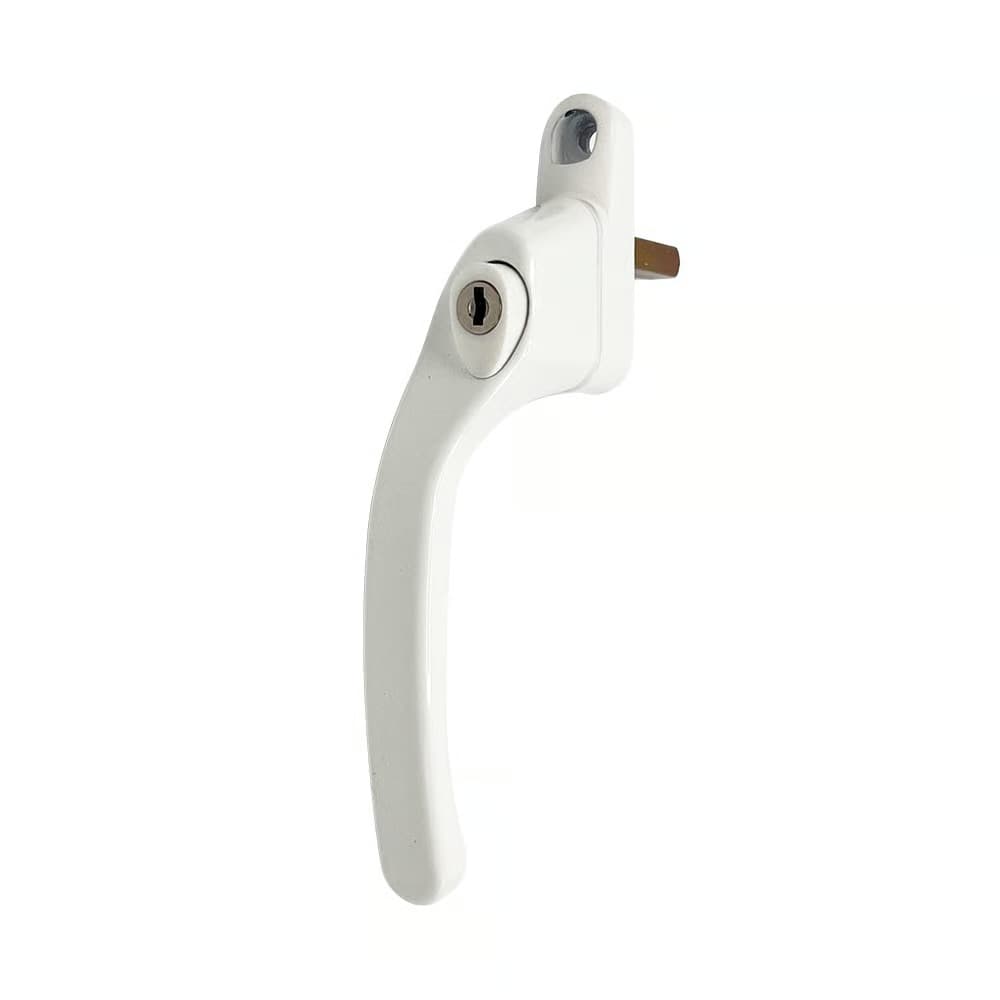
- Key-locking handles: These are straightforward and effective. When locked, the handle cannot be turned, securing the window. Key-locking espag handles are a good match for traditional residential applications where full locking is required.
- Push-button or two-stage handles: These allow the handle to be used freely by adults but restrict accidental operation by children. They are useful where quick ventilation is needed but security remains a concern.
- Restrictor devices combined with locking handles: A restrictor limits the maximum opening, while the locking handle prevents the restrictor being disengaged. This combination is ideal for high-level windows.
- Cockspur handles: Common in casement windows; when used with a lockable option they provide a compact solution suitable for retrofit projects in older frames.
Recommended products for child-safe uPVC windows
For a robust, trade-quality espagnolette handle, consider the TSS Cockspur Window Handles. Its secure key-locking design and durable construction suit high-use domestic settings.
For casement and side-hung applications where a slim profile is preferred, the TSS Cockspur Window Handle offers a lockable option compatible with many uPVC frames.
Where a compact, reliable locking handle is required for modern profiles, the TSS Offset UPVC Window Handles provides a solid balance between security and usability.
Practical installation tips for tradespeople
- Check compatibility: Verify handle backset, spindle size and fixing hole positions match the existing window hardware. Misalignment causes poor locking and accelerated wear.
- Use the correct spindle length: Too long or too short a spindle prevents full engagement with the gearbox and can leave the window insecure.
- Torque and fixings: Follow manufacturer torque settings for screws and use corrosion-resistant fixings. Over-tightening can deform the frame or strip threads; under-tightening allows movement and rattling.
- Test with restrictors: When fitting restrictors alongside handles, test the full range of movement—closed, restricted and fully open—to ensure the handle locks in every position intended.
- Maintain sight lines for emergency exit: For first-floor windows that serve as escape routes, ensure locking hardware permits full opening by an adult in an emergency. Document any limitations for occupants.
Child-safety strategies for homeowners
- Set a child-safe opening limit: Many building safety recommendations suggest limiting window opening to around 100–150 mm where falls are possible. Combine a restrictor with a locking handle to enforce this.
- Fit handles at an appropriate height: While locks are designed to deter children, consider placing lockable handles out of easy reach for toddlers where practical.
- Use key control: Keep keys for window handles in a secure, consistent place known to caregivers. Avoid leaving keys in locks where they can be accessed by children.
- Educate household members: Make sure all adults and older children know how to unlock handles safely and how to operate any restrictors, particularly if windows are escape routes.
- Combine measures: Use window stops, restrictors, locks and safety screens where appropriate. A layered approach increases safety without overly restricting ventilation.
Maintenance and regular checks
- Monthly visual check: Inspect handles, fixings, and the frame for signs of wear, corrosion or distortion. Ensure the handle returns to the locked position and that key-operated locks turn smoothly.
- Lubricate moving parts: Use a dry silicone spray on moving parts annually. Avoid heavy oils that attract dust and grit.
- Replace worn parts promptly: Worn spindles, stripped threads and fatigued fixings reduce security. Replace components at the first sign of significant wear.
- Retest restrictors after maintenance: Any work on frames or glazing can alter how restrictors and handles engage. After adjustments, ensure the restrictor and locking handle operate together correctly.
Compliance and safety standards
Installers and specifiers should be familiar with applicable guidance, such as BS EN 14351-1 for windows and relevant building regulations on means of escape. Child safety devices should not impede emergency egress. For rental properties and social housing, follow local authority guidance and landlord responsibilities when fitting locking handles.
Retrofit and upgrades
When upgrading older uPVC windows, consider replacing handles with lockable variants designed to match the existing multipoint gearboxes. Retrofit restrictors and sash guards can offer a quick improvement in safety without full window replacement. Tradespeople should document modifications and advise homeowners of any changes to escape functionality.
Final considerations
Balancing child safety, security and ventilation is straightforward with the right choice of locking window handles for uPVC windows combined with restrictors and correct installation. Regular maintenance and clear instructions for occupants ensure long-term effectiveness. For more information on selecting the correct handle type, mechanisms and finishes consult the comprehensive Window Handles Guide.