Locking Window Handles for uPVC Windows: Common Compatibility Issues
Locking window handles for uPVC windows are a common upgrade or replacement item for homeowners and tradespeople. Compatibility issues are a frequent cause...
Locking window handles for uPVC windows are a common upgrade or replacement item for homeowners and tradespeople. Compatibility issues are a frequent cause of frustration during installation: handles that look similar can differ in spindle size, centrelines, lock type and orientation. This guide explains the typical compatibility pitfalls and provides practical steps to identify the correct replacement, fit it correctly and avoid common mistakes.
Common types of uPVC window handles
Understanding the handle type is the first step. The three most common categories for uPVC windows are espagnolette (espag) handles, cockspur handles and lever/locking handles fitted to multipoint systems.
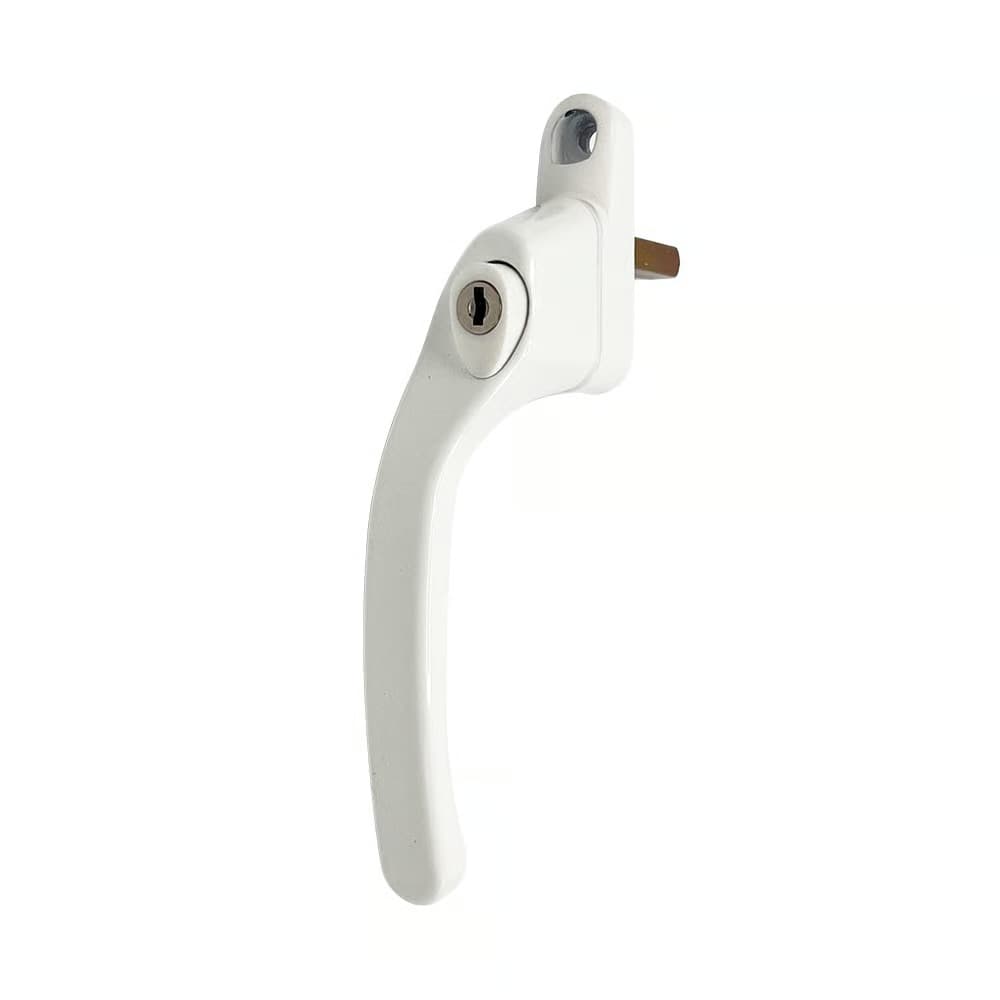
- Espag handles operate a multi-point or espagnolette gearbox via a square spindle; a popular option is the secure locking espag handle such as the TSS Cockspur Window Handles.
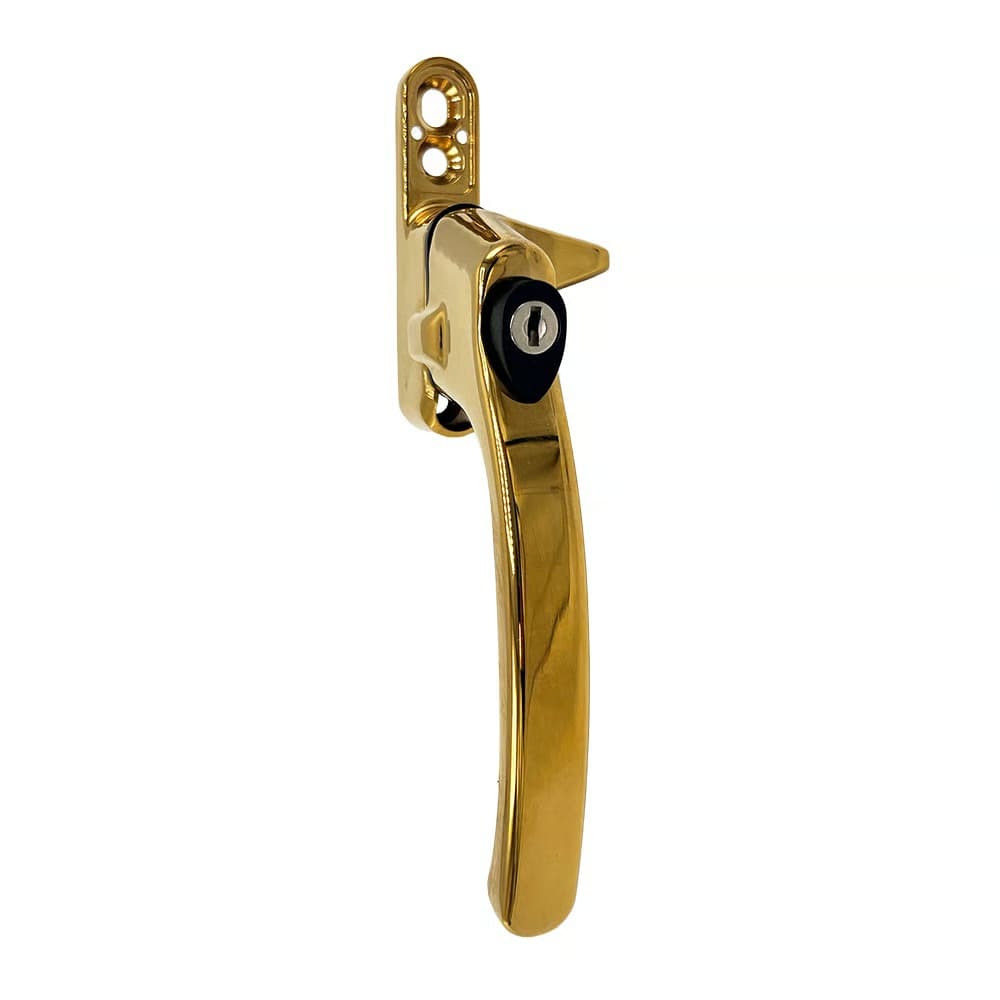
- Cockspur handles clamp over the frame and are often found on older or simpler windows; the TSS Cockspur Window Handle is typical of this style.
- Lever handles for multipoint locks connect to a gearbox or shootbolt system; examples include the TSS Offset UPVC Window Handles.
Key measurements and features to check
Several physical dimensions and features determine compatibility:
- Spindle size and type: Square spindles are common. Typical dimensions are 7mm or 8mm square; measure across flats with callipers. Some systems use splined or non-standard spindles—identify before ordering.
- Screw centres (fixing centres): The distance between the two handle mounting screws is often 43mm or 38mm for many espag handles, but always measure from the centre of one screw to the other.
- Backset and faceplate: Ensure the handle's backset aligns with the gearbox or lock faceplate. Mismatched backsets can prevent the handle from engaging the gearbox.
- Spindle length/projection: The spindle must reach the gearbox without protruding excessively. Measure from the face of the handle to the gearbox entry point.
- Follower shape and size: The follower is the cut-out that engages the gearbox. Some are round, some square; some are wider. A non-matching follower will not turn the mechanism.
- Handle projection and clearance: Inward or outward projecting handles must clear frames, blinds and casements when operated.
- Locking method: Handles lock in different ways—key-operated cylinders, push-button locks or snib locks. Ensure the chosen handle’s lock type suits the existing keeps and user needs.
Typical compatibility problems and how to resolve them
- Wrong spindle size: If the handle turns but the gearbox does not move, the spindle may be too small or the wrong shape. Solution: remove the handle and measure the spindle thickness and profile. Order a handle with the matching spindle specification.
- Incorrect screw centres: Handles with misaligned screw holes will not sit flush. Solution: choose a handle with matching screw centres or use a mounting plate / spacer only when it is structurally appropriate.
- Mismatched follower: A handle that fits the plate but doesn’t operate the lock usually has an incompatible follower. Solution: replace with a handle that specifies compatibility with the lockcase; compare the follower dimensions.
- Locking mechanism interference: Key-operated handles require a matching cylinder cut-out and keep. Solution: check cylinder type, backset and whether the keep/strike needs adjustment or replacement.
- Handle orientation and handedness: Some handles are designed left- or right-handed. Solution: identify opening direction (viewed from inside) and order the correct handed handle or a reversible model.
- Multi-point gearbox differences: Older and newer multi-point systems may use different spindle sizes and gearbox followers. Solution: remove the handle and inspect the gearbox markings or manufacturer code before ordering.
Practical step-by-step replacement checklist
1. Photograph the existing handle, lockcase and inner faceplate for reference. 2. Measure spindle size (across flats), screw centres and spindle projection with a ruler or callipers. 3. Note any markings or codes on the gearbox, and identify lock type (espag, multipoint, tilt-and-turn, etc.). 4. Select a replacement handle that matches measurements, follower shape and locking method. Prefer handles that state compatibility with the existing gearbox type. 5. Check that the handle finish and colour match the window hardware for aesthetic consistency. 6. Remove the old handle and test-fit the new handle without tightening screws fully to ensure correct engagement. 7. Operate the handle through full movement to confirm smooth engagement and correct locking function. Tighten fixings and fit any security bolts or trims. 8. Adjust keeps or strikes if locking points do not align; slight misalignment is often resolved by moving the keep within its elongated hole.
Security and compliance considerations
Locking handles contribute to a window’s security but must be part of a correctly functioning locking system. Consider these points:
- For properties seeking enhanced security standards, choose handles and hardware that meet recognised standards (some espag handles are designed for PAS 24 compliance when used with appropriate locking systems).
- Keyed handles should be supplied keyed alike or with master keying arrangements where multiple windows require the same key.
- Regular maintenance—lubricate the gearbox and hinges yearly and check fixings—prevents premature failure and maintains security.
Maintenance and troubleshooting tips
- Lubricate the spindle and gearbox with a light spray of dry PTFE or a silicone lubricant; avoid heavy oils that attract dirt.
- Tighten loose fixings; loose screws can cause increased wear and poor engagement.
- Replace worn keeps or striker plates rather than forcing misaligned components.
- For windows that stick or bind, check the hinge side and the frame for movement before blaming the handle.