Locking Window Handles for uPVC Windows: FAQs
Locking window handles for uPVC windows are a straightforward way to improve security, ventilation control and ease of use. This article answers common FAQ...
Locking window handles for uPVC windows are a straightforward way to improve security, ventilation control and ease of use. This article answers common FAQs about selection, fitting and maintenance, and provides practical advice for both homeowners and tradespeople specifying or installing hardware. Clear guidance helps avoid common mistakes and ensures the chosen handle performs reliably over years of use.
What types of locking handles are available for uPVC windows
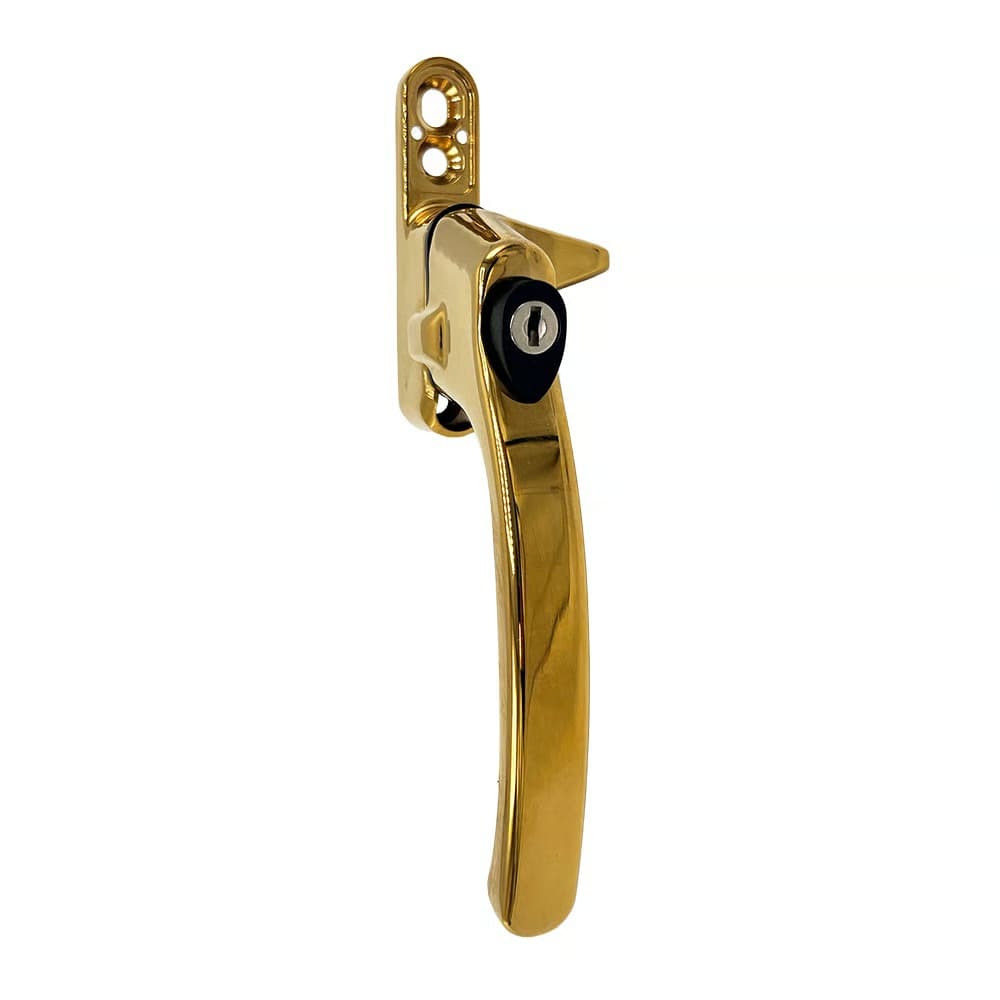
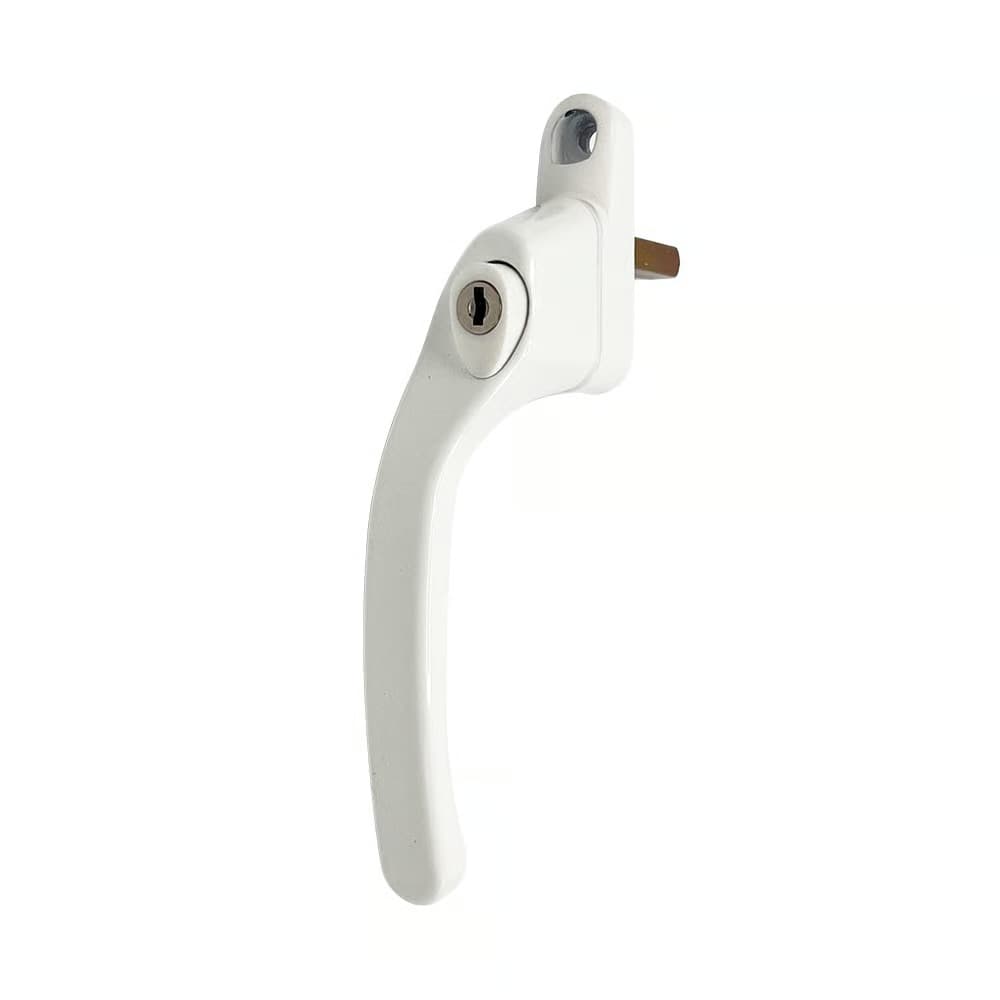
uPVC windows commonly use espagnolette (espag) handles, cockspur handles and friction-fit or tilt-only locks. Espag handles operate a multi-point locking mechanism via a spindle, providing strong engagement with keeps fitted to the frame. Cockspur handles clamp over the frame edge and are typically used on older or secondary glazing. For modern uPVC windows that require robust security, espag handles are the usual choice.A popular, durable option for secure espag applications is the TSS Cockspur Window Handles. For simpler retrofit scenarios where the casement edge is accessible, the TSS Cockspur Window Handle offers reliable clamping action. The TSS Offset UPVC Window Handles provides a balance of secure locking and aesthetic finish for residential installations.
How to choose the right handle for the job
Select handles by matching the handle type to the window hardware already fitted and by considering security standards. Check whether the lock mechanism is espag, lever/keep or cockspur. Measure the spindle length and backset where applicable to ensure the replacement will engage the locking points correctly. Opt for handles with a solid metal spindle and a high-quality locking barrel to resist snapping and corrosion.Choose finishes that suit the property and that are practical for the environment—powder-coated or stainless components for coastal locations reduce salt corrosion. For trade installations, keep a small stock of common spindle sizes and screw positions to save time on site.
Fitting and aligning locking handles: practical steps
1. Remove the old handle by unscrewing the fixing screws and withdrawing the spindle. Note the orientation of the handle and the lock type for accurate replacement. 2. Match the new handle’s spindle size and type. If the spindle is too long, trim it squarely with a hacksaw and deburr the end to prevent wear. 3. Fit the handle squarely to the frame. Do not overtighten screws; compression can distort the handle mechanism and misalign the lock. Use threadlocker sparingly on screws in high-vibration locations. 4. Check engagement: operate the handle through its full travel to confirm the espag or locking cams move smoothly into the keeps. Adjust keeps slightly if the lock is not fully engaging—small lateral adjustments often resolve binding. 5. Test lock operation with the key and handle multiple times, including with the window closed and slightly ajar, to ensure consistent security and ventilation positions.These steps reduce callbacks and extend the service life of both handle and locking mechanism.
Common problems and how to fix them
- Handle feels loose: Tighten fixing screws; if the threaded inserts are stripped, use a slightly larger screw or fit a nylon plug for regrip.
- Handle sticks or won’t return: Lubricate the mechanism with a dry PTFE spray, not heavy oil which attracts dust. Check for bent spindles and replace if necessary.
- Lock won’t engage: Inspect keeps and espag rods for misalignment or wear. Tighten or replace keeps and ensure the espag rod is correctly seated. Replace worn locking cams.
- Key won’t turn: Check for debris in the cylinder and consider cylinder replacement if the key is damaged or the mechanism is corroded.
Security considerations and standards
Choose handles that are lockable with a secure 3-pin or 5-pin cylinder and that meet relevant British standards where applicable. While a locking handle improves security, it is one element of an overall window security strategy that also includes laminated glass, hinge-side security devices and robust frame fixings. Handles that offer anti-drill or anti-bump features in the cylinder enhance resistance to common forced-entry techniques.For rental properties or high-risk locations, specify handles with a separate keyed lock rather than push-button locks, which can sometimes be defeated more readily.
Maintenance for longevity
Regular maintenance preserves function and security: clean moving parts, lubricate with PTFE spray once or twice a year, and check fixings for tightness. Replace any handle showing signs of stress, excessive play or corrosion. Keep a maintenance log for multi-property portfolios to plan replacements before failure occurs.Installation tips for tradespeople specifying large projects
Standardise on one or two handle models to simplify spares and reduce variation in fitting. Specify the handle style, finish, spindle length and screw position on job packs to avoid on-site guesswork. Consider pre-fitting handles in a controlled workshop environment when time on site is limited—this reduces fitting errors and improves quality control.Final checklist before handover
- Handle type and spindle match original hardware.
- Fixings are secure but not over-torqued.
- Lock engages smoothly across full travel.
- Cylinder operates freely and keys are provided and recorded.
- Maintenance and operation advice given to the client.
For further reading on choosing and installing handles, consult the comprehensive Window Handles Guide.