Locking Window Handles for uPVC Windows: Keyed Alike vs Standard
Choosing the right locking window handles for uPVC windows impacts security, ease of use and compliance with building regulations. This article explains th...
Choosing the right locking window handles for uPVC windows impacts security, ease of use and compliance with building regulations. This article explains the differences between keyed alike and standard locking handles, outlines when each type is appropriate, and provides practical guidance for installation, maintenance and specification for homeowners and tradespeople.
Understanding locking window handles for uPVC windows
Locking window handles are essential for preventing unauthorised entry and securing windows against wind or tampering. For uPVC windows, locking mechanisms are commonly integrated into the handle and operate the espagnolette or cockspur mechanism. Two common options are keyed alike handles — where multiple handles operate with the same key — and standard locking handles, which typically use individual keys or non-keyed thumb-turns.
Keyed alike vs standard: main differences
- Keyed alike handles: These handles are supplied so that every handle in a set opens with the same key. This simplifies access for residents who need to lock or unlock multiple windows across a property without carrying several keys. Keyed alike is particularly appropriate for larger homes, blocks of flats with communal access requirements or projects where convenience and consistency are priorities.
- Standard locking handles: Standard options include thumb-turn handles that lock without a key, or keyed handles sold with unique keys per handle. Thumb-turns are ideal for rooms where quick internal egress is important, such as bedrooms or where fire safety is a consideration. Individually keyed handles can increase security if different users should not have access to all windows.
Security considerations and certification
Security performance should be verified by looking for handles tested to recognised standards. Handles rated to TS007 3 star or other recognised standards indicate resistance to forced entry. For sash and casement windows, ensure the handle engages fully with the locking mechanism to prevent leverage attacks. When specifying for rental properties or vulnerable locations, prioritise handles with proven anti-drill and anti-snap features, and compatibility with laminated or toughened glazing.
Recommended product examples:
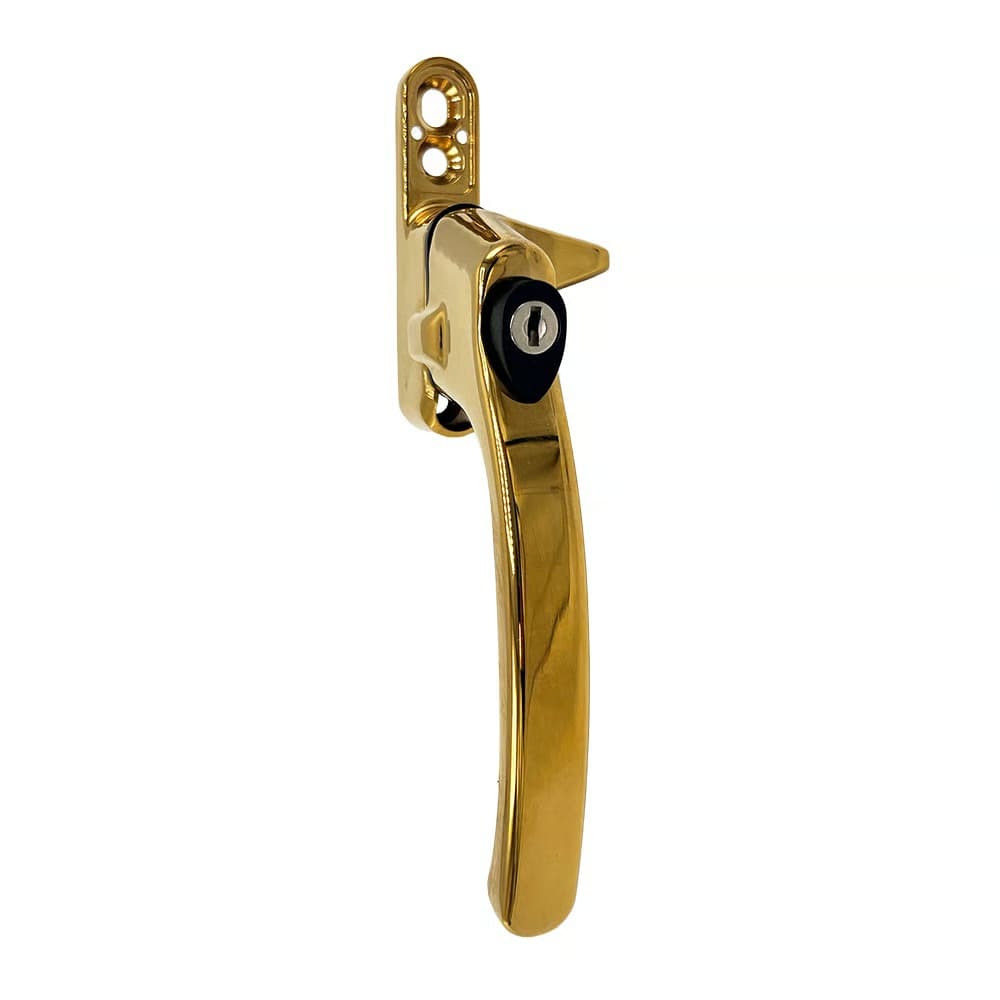
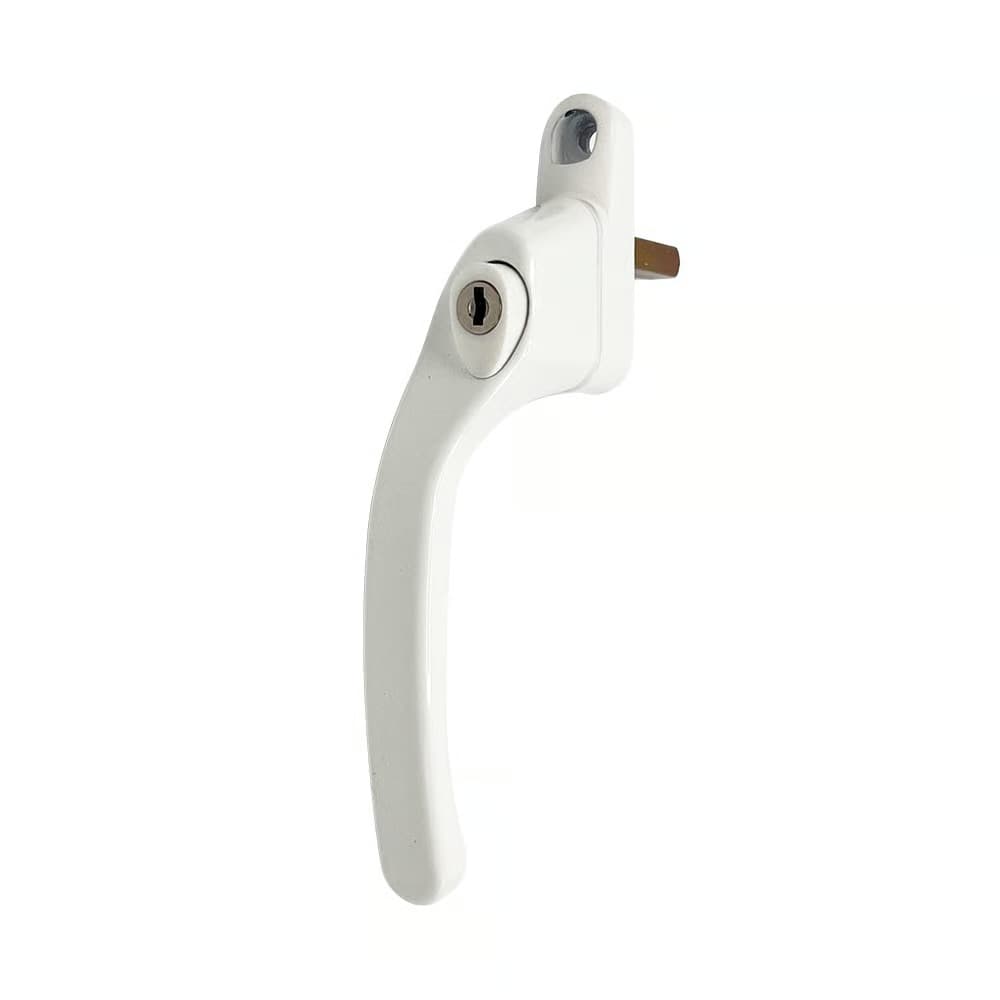
- TSS Cockspur Window Handles — suited to espagnolette-lock windows where a robust keyed option is required.
- TSS Cockspur Window Handle — designed for cockspur locks on older or refurbishment projects where maintaining original hardware style is necessary.
- TSS Offset UPVC Window Handles — a versatile keyed option with industry-standard security features.
Practical selection guidance for homeowners and tradespeople
- Assess access needs: Specify keyed alike for properties where one key simplifies operation across multiple windows. Choose thumb-turn or uniquely keyed handles where internal-only control or restricted access is desired.
- Match locking type to locking mechanism: Espag (espagnolette) windows require handles that interface correctly with the espag gear. Cockspur windows need handles compatible with the hook or blade that engages the frame. Using the wrong handle type compromises both function and security.
- Consider emergency egress: For bedrooms and escape routes, prefer thumb-turn locks or keyed handles that can be disengaged quickly from inside without searching for a key. In multi-occupant dwellings, a keyed alike scheme for external-facing windows can help maintenance staff or caretakers access all windows quickly while still maintaining controlled external access.
- Standardise on keying where practical: For new build or whole-house retrofit projects, order all keyed handles as keyed alike to reduce lost key incidents. Tradespeople should record the key code and provide it to the client along with the handover documentation.
Installation tips and best practice
- Check spindle size and screw centres: Verify the handle spindle length and screw hole centres match the window locking gear. Many uPVC handles use standard 7mm square spindles but confirm before purchase.
- Torque and alignment: Tighten fixing screws until snug but avoid over-torquing, which can distort the handle or strip threads. Ensure the handle operates smoothly through its full travel and engages the lock without binding.
- Use threadlocker where appropriate: For external windows exposed to vibration or frequent use, a low-strength threadlocker on steel screws can prevent loosening without complicating future removal.
- Weatherproofing: For windows subject to heavy rain or coastal environments, ensure fixings and any exposed components are corrosion-resistant. Replace worn gaskets and check drainage channels to prevent moisture affecting the locking mechanism.
Maintenance and lifecycle considerations
- Regular lubrication: Apply a light graphite or silicone-based lubricant to the gearbox and moving parts annually to maintain smooth operation. Avoid oil-based lubricants that attract dust and degrade rubber gaskets.
- Periodic key and lock checks: Inspect keyed handles for key wear and replace any worn keys. For keyed alike systems, ensure spare keys are cut from the manufacturer’s code to maintain security and identification.
- Replace rather than repair where appropriate: If a handle or gearbox shows severe wear, corrosion or damage from forced entry, replacement is the most reliable option. Tradespeople should supply compatibility details and product codes to ensure like-for-like replacements.
Specification and procurement tips for projects
- Order sample handles for trial fitment when renovating older windows to verify compatibility, especially in conservation or retrofit projects.
- Keep documentation: Retain key codes, manufacturer part numbers and proof of certification. This simplifies future maintenance and ensures replacement parts are compatible.
- Coordinate with locksmiths and fire safety assessors: For communal or licensed premises, confirm that chosen locking behaviour complies with fire escape and regulatory requirements before final installation.
Conclusion
Selecting appropriate locking window handles for uPVC windows balances security, ease of use and regulatory compliance. Keyed alike systems offer convenience and simplified key management for larger properties, while standard handles and thumb-turns meet internal egress and privacy needs. Tradespeople and homeowners should match handle type to the locking mechanism, verify security ratings, and follow practical installation and maintenance steps to ensure long-term performance.