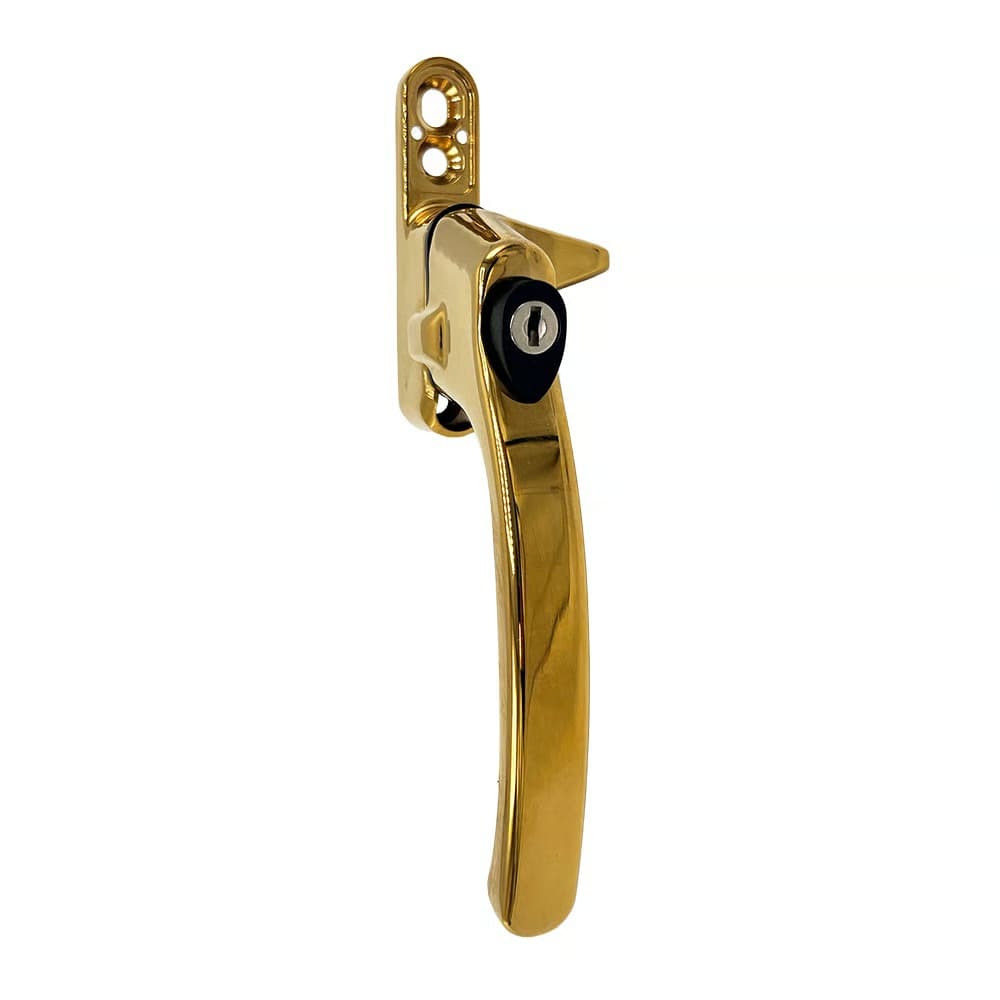
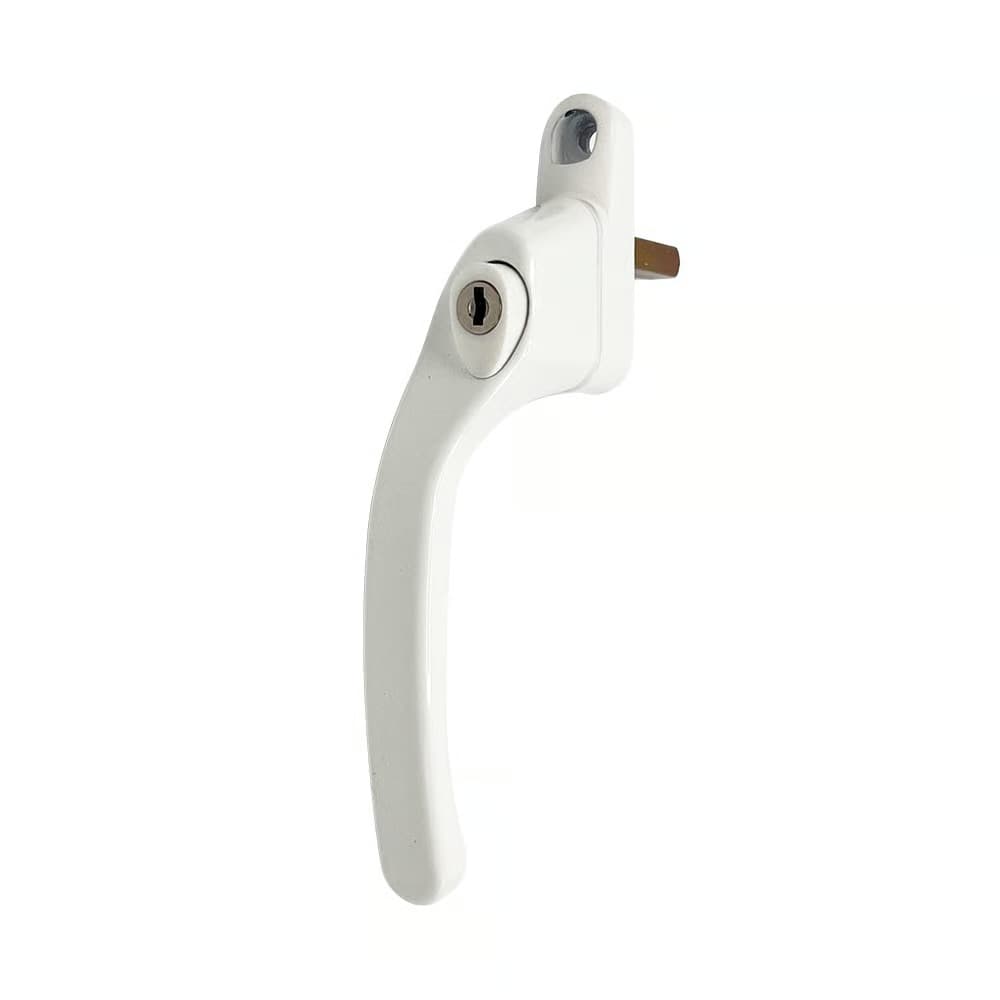
Locking Window Handles for uPVC Windows: Replacements and Spare Keys
Locking window handles are a simple but effective upgrade for uPVC windows that improves security, child safety and weatherproofing while extending the lif...
Locking window handles are a simple but effective upgrade for uPVC windows that improves security, child safety and weatherproofing while extending the life of the locking mechanism. Whether replacing a broken handle, fitting a spare key option or upgrading to a higher-security model, selecting the correct type and fitting it correctly ensures smooth operation and reliable locking for years.
Types of locking handles for uPVC windows
uPVC windows use several common handle types, each suited to different window styles and locking mechanisms:
- Espagnolette (espag) handles operate a multi-point locking system via an internal spindle and locking gear. They are widely used on casement windows and tilt-and-turn designs.
- Cockspur handles are surface-mounted and ideal for older frames or windows where the locking mechanism is a simple latch. These are common on secondary rooms or small side windows.
- Sash handles like the Yale Sparta offer a compact lockable option suitable for outward-opening casements and some vertical sliders.
Matching handle to window and locking gear
Compatibility is crucial when ordering replacements. Key measurements and specifications include:
- Spindle length and type: Measured from the handle base to the square spindle end; espag systems often use a 7mm square spindle but variants exist.
- Fixing screw spacing (centres): Measure between the two mounting screws on the handle rose to ensure the new handle lines up with existing screw holes.
- Handing and rotation: Determine whether the handle rotates 90 or 180 degrees and whether it mounts on the left or right side of the window.
- Backset and keep position: For espag handles, note the position of the locking gear and keeps within the frame.
Spare keys, keying options and security levels
Lockable handles are supplied with one or more keys. Options to consider:
- Supplied-keyed: Standard handles typically include two keys per handle. Order extra keys from the manufacturer or stockists when needed.
- Master-keying and keyed-alike systems: Tradespeople fitting multiple windows can specify keyed-alike hardware so one key operates all locks, improving convenience for occupants and maintenance teams.
- Keyed-differ options: For rental properties or where separate access control is necessary, order differently keyed handles.
Practical tips for replacing a locking handle
Preparing correctly saves time and avoids damage to frames and internal mechanisms: 1. Record measurements: Photograph the existing handle in situ and note spindle size, screw centres and rotation direction before removal. 2. Order the correct finish and length: Handle finishes should match existing hardware for visual consistency and the spindle length must match the gearbox depth to avoid stripping. 3. Remove carefully: Loosen retaining screws while supporting the handle to avoid dropping components into the frame. For espag handles, withdraw the spindle straight out to avoid twisting the gearbox. 4. Clean and inspect the gearbox and keeps: Remove old grease and debris, check the espag strip and keeps for wear, and replace if the locking pins or mushroom cams are damaged. 5. Fit with correct torque: Over-tightening screws can crack uPVC; secure the handle until firm but avoid excessive force. Use nylon or stainless screws where specified to prevent corrosion. 6. Test operation: Cycle the handle several times with the window open to ensure full engagement and smooth locking before final adjustments. Lubricate locks with a graphite-based or Teflon spray for long-term smoothness.
Tradespeople should carry common spindle sizes, fixing screw sets and a selection of lockable and non-lockable handles to complete jobs quickly without multiple site visits.
Maintenance and troubleshooting
Regular checks extend the life of uPVC handles:
- Lubricate moving parts annually with a dry lubricant to prevent dirt build-up and sticky operation.
- Tighten loose screws and replace stripped fixings promptly.
- If the handle feels loose but the lock still works, inspect the spindle and gearbox for wear; a worn gearbox will need replacement to avoid future failure.
- For windows that tilt and turn, ensure the handle is fully in the closed position before engaging the lock to prevent misalignment.
Choosing between replacement and upgrade
Replacement is appropriate when the handle or keys are lost, the mechanism has failed, or the finish is worn. An upgrade is advisable when increased security is required, during property refurbishment, or when consolidating keying across multiple windows. Specify anti-snap and reinforced models for ground-floor or easily accessible windows to meet modern insurance standards.
Locking window handles for uPVC windows are a cost-effective way to enhance security and usability. Correct selection, accurate measurement and careful fitting ensure reliable operation and peace of mind for homeowners and tradespeople alike.