Locking Window Handles for uPVC Windows: Upgrading Security Simply
Locking window handles are a straightforward, cost-effective upgrade that significantly improves the security of uPVC windows. For homeowners and tradespeo...
Locking window handles are a straightforward, cost-effective upgrade that significantly improves the security of uPVC windows. For homeowners and tradespeople, choosing the right handle and fitting it correctly reduces the risk of opportunistic theft and adds an extra layer of protection to everyday living spaces. This article explains the options, practical installation tips and maintenance advice to ensure a durable security upgrade.
Why locking handles matter for uPVC windows
uPVC windows are widespread because they are energy-efficient and low-maintenance, but standard handles without locks are an easy target for intruders. A locking mechanism prevents the handle from being forced or removed, which commonly precedes an attempted window entry. Fitting locking window handles on accessible ground-floor windows, rear windows and ground-level first-floor windows near neighbouring access points helps to harden the property without expensive or invasive work.
Types of locking handles suitable for uPVC
There are several common designs for locking window handles compatible with uPVC windows:
- Espag handles: These work with espagnolette multi-point locking systems found on many modern uPVC windows. They usually operate a long metal rod that engages multiple locking points along the frame.
- Cockspur handles: A simpler, surface-mounted option that bolts directly to the frame and prevents the handle from being turned when locked.
- Lockable lever handles: These are similar to cockspur handles but can have a slimline profile suited to contemporary windows.
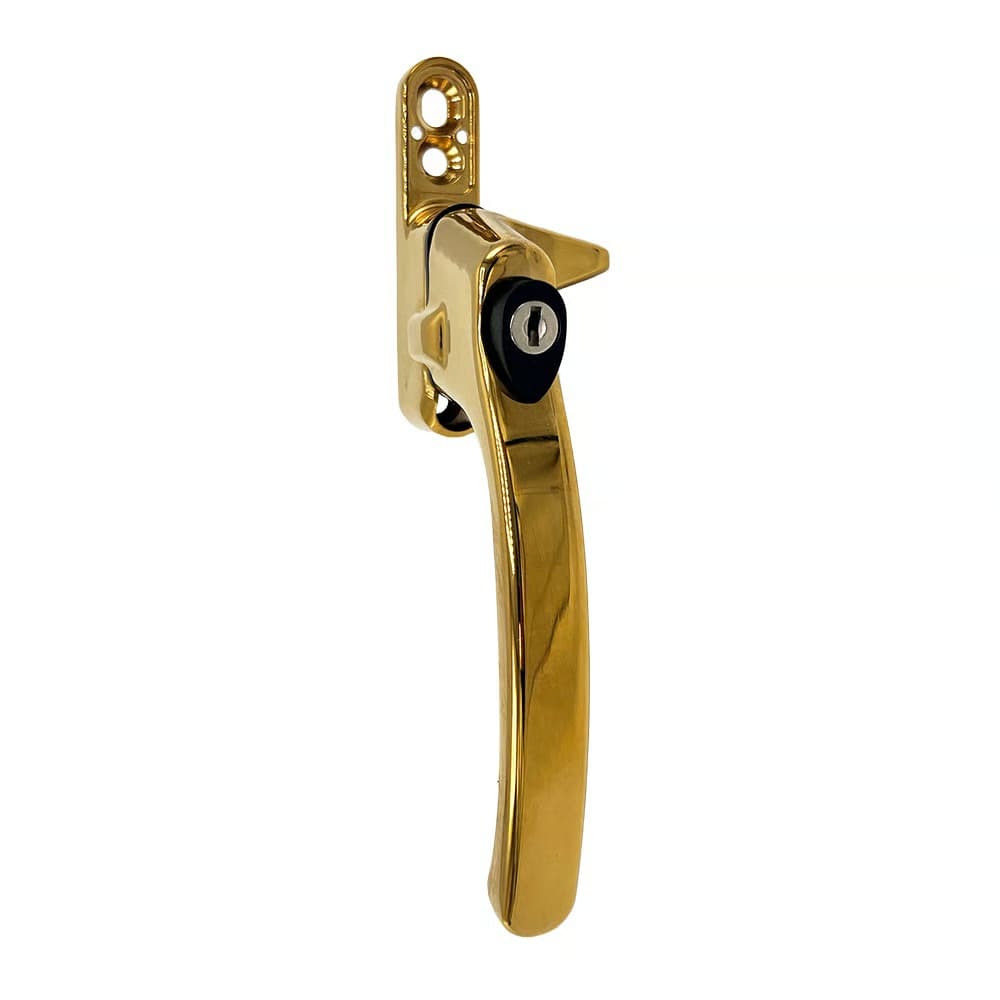
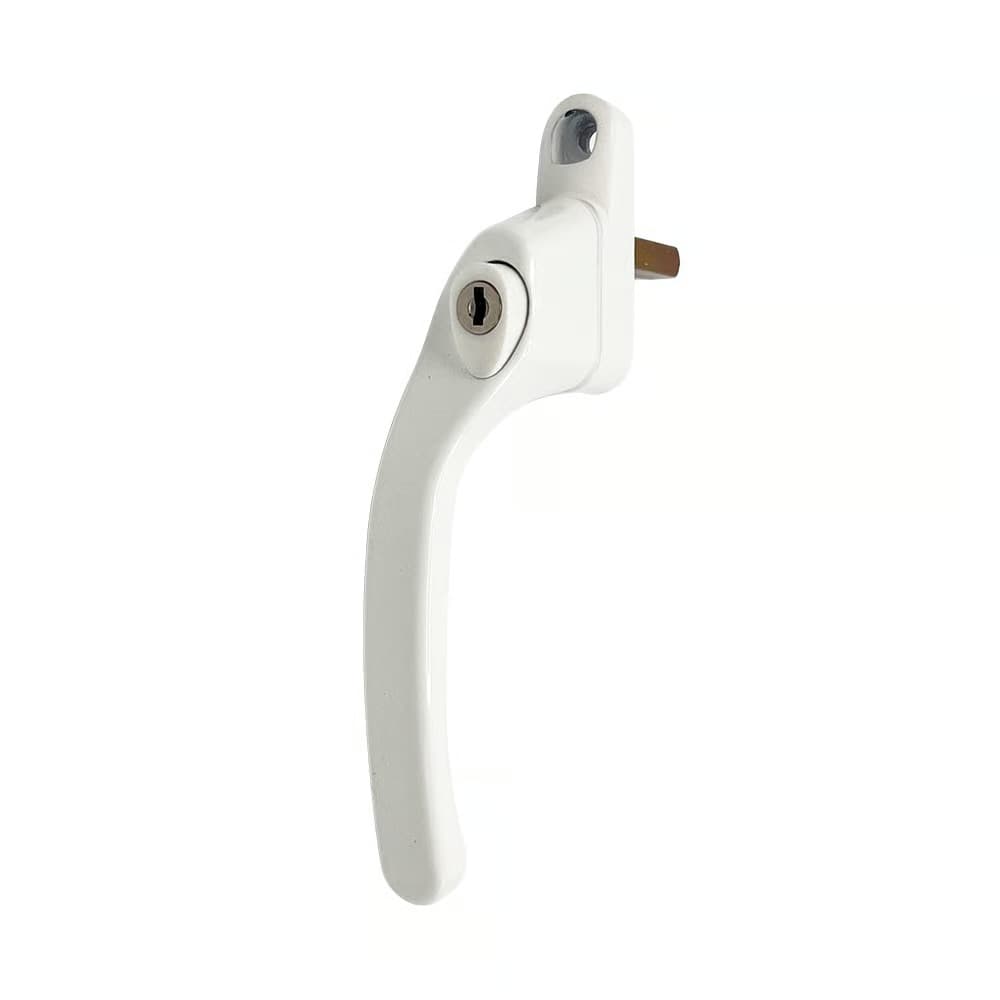
Example products that represent these styles include the TSS Cockspur Window Handles, the TSS Cockspur Window Handle and the TSS Offset UPVC Window Handles.
Choosing the correct handle: measurements and finish
Practical selection begins with accurate measurements and compatibility checks:
- Centre distance: Measure the distance between the spindle centre and the handle base or screw centres, commonly 43mm, 45mm or 90mm depending on the mechanism.
- Spindle size: Most uPVC windows use a square spindle—typically 7mm or 8mm. Confirm the spindle thickness before purchasing.
- Backset and screw positions: Check the screw hole positions on the handle to match existing drillings and avoid unnecessary frame alterations.
- Finish: Choose a finish that complements window furniture and exterior fixtures—white, satin chrome and black are popular options.
Installation best practice (actionable steps)
Installing locking window handles is often a straightforward DIY job for those with basic tools, though tradespeople may be required for complex espagnolette replacements.
Essential tools: screwdriver set, tape measure, pencil, allen key (if needed), and possibly a drill for new screw holes.
Step-by-step guide: 1. Secure the sash in the closed position and ease off the existing handle by removing visible screws. 2. Note the spindle type and length; measure to ensure the replacement handle will engage properly with the mechanism. 3. Fit the spindle into the replacement handle and position on the frame. For espag handles ensure the spindle engages with the gearbox. 4. Fasten screws lightly at first to align the handle, then tighten evenly to avoid distorting the uPVC. 5. Test operation: lock and unlock several times, checking that the handle returns to a neutral position and that the locking pin or mechanism engages fully. 6. If the handle binds or the locking bolt does not align, loosen screws and re-adjust; excessively tight screws can warp the handle or the frame.
For espagnolette systems, confirm the locking rod engages all keepers on the frame. Where new screw holes are required, use appropriate uPVC-rated screws and consider a touch-up with a small plastic filler for a neat finish.
Security considerations and compliance
A locking handle is one component of an overall security strategy. For best results:
- Ensure locks are key-operated on accessible windows to prevent unauthorised opening from outside.
- Combine locking handles with reinforced hinges and anti-lift devices where sash removal is possible.
- Use handles that meet recognised standards or are supplied by reputable manufacturers to avoid weak components.
- For rented properties, confirm compliance with tenancy agreements and building regulations before modifying windows.
Maintenance to prolong effectiveness
A few simple maintenance tasks will ensure locking handles remain reliable:
- Lubricate moving parts annually with a light machine oil or a dry PTFE spray to prevent stiff operation.
- Check and tighten screws periodically; vibrational loosening can reduce security over time.
- Inspect the locking mechanism for wear, especially on frequently used windows, and replace handles showing play or metal fatigue.
- Ensure keys are kept secure and that replacement keys are ordered from authorised suppliers to avoid mismatched cylinders.
Cost versus benefit
Locking window handles represent a low-cost upgrade relative to the security benefits. For tradespeople, offering a package that includes supply, fit and a brief maintenance schedule can add value for homeowners. For those on a tight budget, prioritise ground-floor and easily reachable windows first.
Summary
Upgrading to locking window handles on uPVC windows is an efficient, practical way to increase home security with minimal disturbance. Correct measurement, choosing the right type for the locking system and following proper installation and maintenance routines deliver reliable, long-term protection. The right handle, fitted and maintained properly, is a cost-effective deterrent that complements other security measures.