Locking Window Handles: How to Measure for Compatibility
Locking window handles improve security and offer peace of mind, but replacing them requires accurate measurements to ensure compatibility with existing ha...
Locking window handles improve security and offer peace of mind, but replacing them requires accurate measurements to ensure compatibility with existing hardware. This guide explains the essential measurements and checks for different handle types commonly found in UK homes, and provides practical tips for tradespeople and homeowners to get the right replacement first time.
Identify the handle type
Different locking window handles attach and operate in different ways, so start by identifying the type fitted to the window. The main types encountered are espagnolette (espag) handles, cockspur handles and common keyed variants for timber and aluminium windows. Each type requires specific measurements: for example, espag handles connect to an espagnolette gearbox or rod, whereas cockspur handles clamp onto the window frame face.
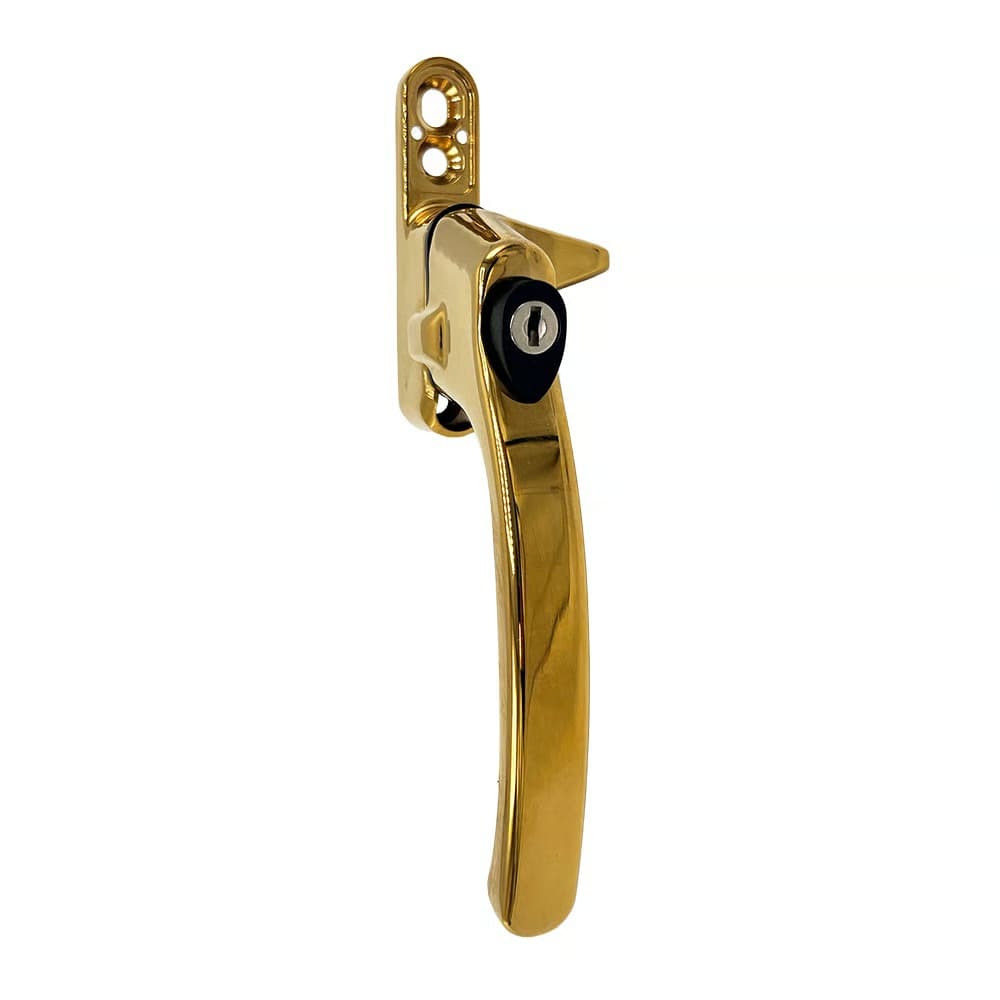
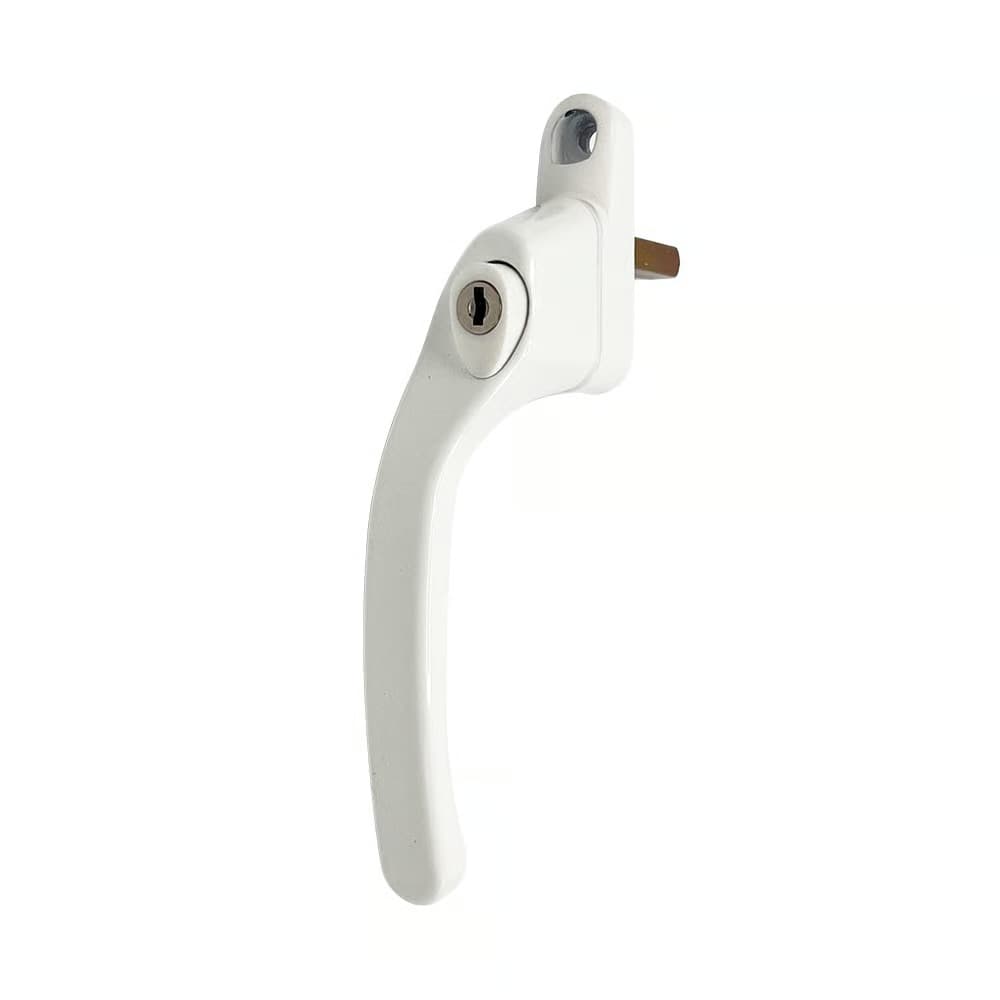
Consider a security-rated option for high-risk locations; several locking handles are available with 3 star security ratings and key-locking options suited to upstairs and ground-floor openings. The TSS Cockspur Window Handles is an example of an espag handle designed with security in mind.
Tools needed
- Tape measure or steel rule
- Vernier calipers (for spindle diameter and small dimensions)
- Pencil and masking tape to mark measurements
- Camera or smartphone to photograph the existing handle and gearbox
Measuring for espag (espagnolette) handles
Espag handles are very common on UPVC and aluminium casement windows. Key measurements:
- Backset (centre distance to edge): Measure from the internal face of the handle spindle to the outer edge of the window profile or the nearest reference edge. Many espag gearboxes use standard backsets (e.g. 16mm, 22mm) but verify the exact distance for a flush installation.
- Screw centres: Measure the distance between the two fixing screws that secure the handle to the frame (centre-to-centre). Common centres are 43.5mm or 38mm, but variations exist.
- Spindle length and thickness: Remove the handle and measure the exposed spindle length from the face of the gearbox to the end of the spindle. Measure the spindle thickness (square or round) — common square sizes are 7mm or 8mm. If the spindle is too short a replacement handle will not engage the gearbox.
- Handle projection and clearance: Note how far the handle projects when closed to ensure it will not clash with glazing beads or the frame.
Measuring for cockspur handles
Cockspur handles fix to the face of the window and use a hook or spur that engages behind the frame. Measurements include:
- Fixing centres: Distance between the screw holes securing the handle.
- Spur reach and throat depth: Measure how far the spur extends and the gap it needs to clear on the frame when locked. This is critical to ensure the new spur engages correctly.
- Backplate dimensions: Width and height of the handle’s baseplate to check for compatibility with the sill or bead.
Keyed handles and cylinder considerations
Keyed locking handles (commonly found on timber and aluminium windows) use a cylinder. For these, note:
- Cylinder type and length: Measure the visible cylinder projection on both sides to determine overall cylinder length and ensure a flush fit with the new handle.
- Cylinder cam position: Photograph the cam orientation as this affects operation with the locking mechanism.
- Faceplate and fixing centres: As with other handles, check screw centres and plate dimensions.
Handing and operation
Most modern locking handles are reversible, but verify:
- Opening direction: Note whether the window is left- or right-hand opening and whether the handle needs to operate upwards or downwards in the closed position. Mark the sash with masking tape and an arrow as a reminder when ordering.
- Locking method: Determine whether the handle locks with a key, push-button or thumbturn to match user needs and local security requirements.
Practical installation tips
- Remove old handle carefully: Keep screws and any washers to compare with the new handle.
- Test engagement before fully tightening: Fit the replacement loosely, check spindle engagement and the locking function, then tighten fixings.
- Use threadlocker on screws in damp or high-use locations to avoid loosening.
- Check multipoint locks: If the handle operates a multipoint espagnolette system, ensure the gearbox and rods are in good condition before replacing the handle. A worn multipoint mechanism may require more extensive repair.
Troubleshooting common issues
- Handle wobbles after fitting: Check spindle thickness and sleeve fit; use a correct-size spindle or replace with a sleeved spindle if necessary.
- Lock does not engage fully: Re-check backset and spindle length. The handle may be too short to operate the gear fully.
- New handle cannot lock: Confirm the keyed cylinder length or spur reach and that the locking mechanism is compatible with the handle type.
When to contact a professional
Tasks involving damaged espagnolette gearboxes, rusted multipoint rods, or cylinder replacement beyond superficial measurement benefit from a locksmith or experienced glazing tradesperson. Complex failures often require replacement of the internal lock case or rods rather than the handle alone.
Accurate measurement saves time and cost, ensuring the chosen locking window handles fit securely and operate reliably. For a complete introduction to window handle types and more measurement guidance, see the comprehensive Window Handles Guide.