Locking Window Handles: Installation Guide
Locking window handles are an essential upgrade for improving security, child safety and weatherproofing on modern windows. This guide explains the common...
Locking window handles are an essential upgrade for improving security, child safety and weatherproofing on modern windows. This guide explains the common types of locking window handles, how to prepare for installation, step-by-step fitting instructions for the most widely used styles, and practical tips for troubleshooting and maintenance. It is written for homeowners and tradespeople looking for clear, actionable advice to fit or replace locking handles on uPVC and timber windows.
Types of locking window handles
Understanding the type of handle and locking mechanism is the first step. Common varieties include espagnolette (espag) handles, cockspur handles and lever-lock handles.
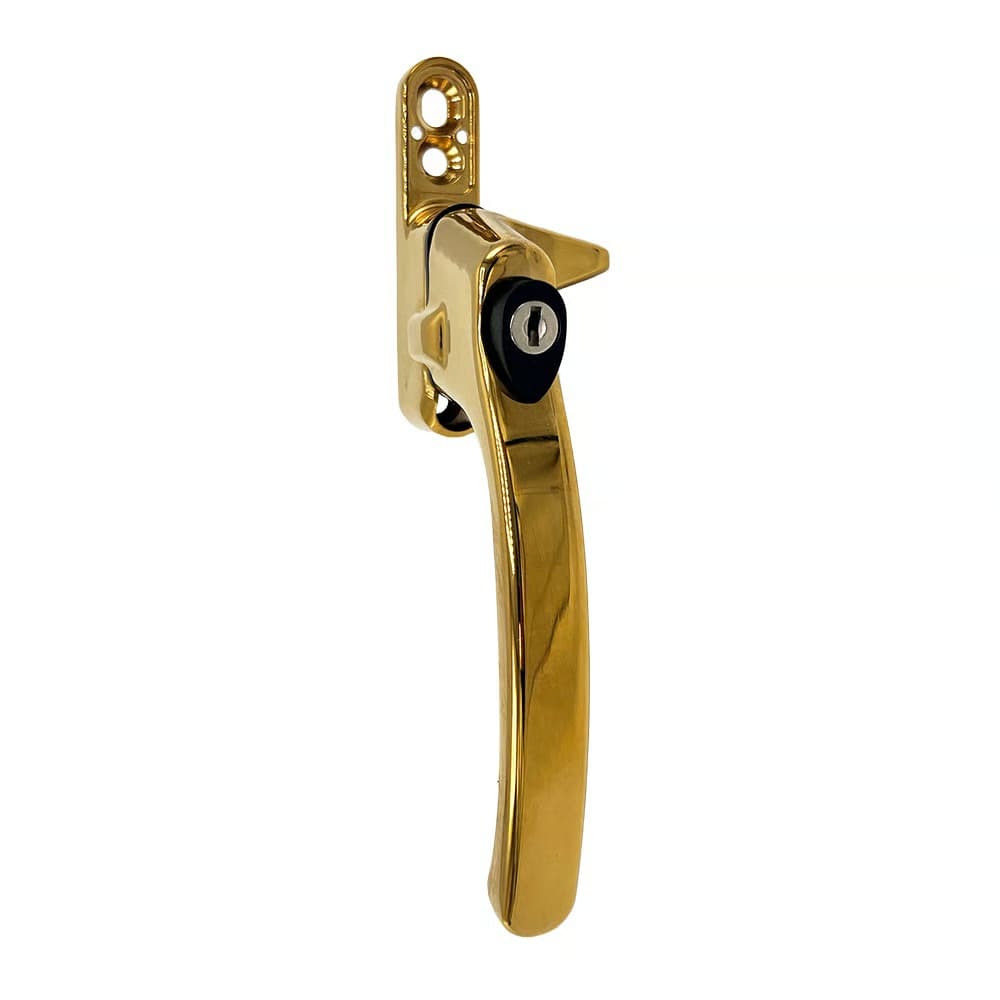
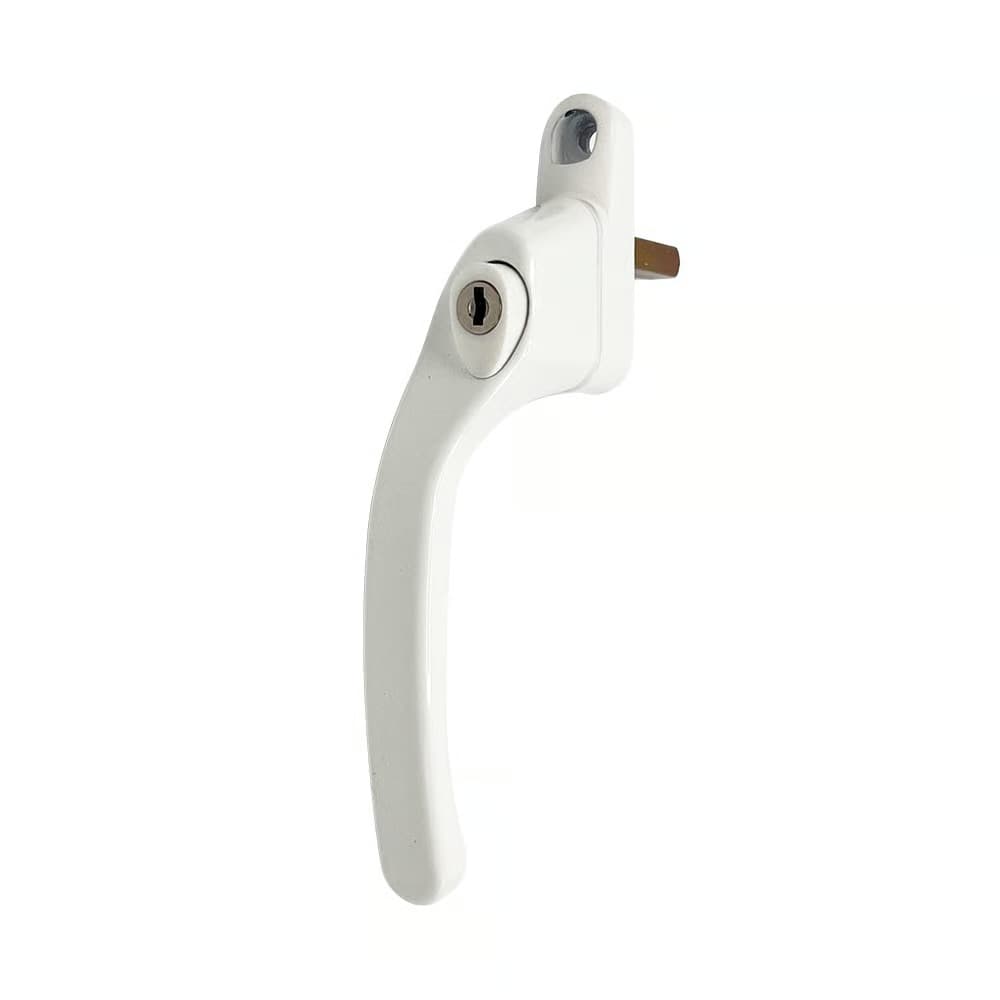
- Espag handles operate a multi-point or single point espagnolette gearbox within the window and are common on modern uPVC units. An example product is the TSS Cockspur Window Handles.
- Cockspur handles are surface-mounted and hook over the frame; they are simple and often used on older steel or timber windows. See the TSS Cockspur Window Handle for a typical option.
- Lever-lock handles such as the Yale Sparta provide a keyed lock and slimline appearance, suitable for timber or aluminium frames: TSS Offset UPVC Window Handles.
Tools and materials required
Prepare the following before starting:
- Screwdrivers (Pozidriv and slotted)
- Tape measure and ruler
- Pencil or marker
- Replacement handle with correct spindle and screw set
- Power drill with small bits (for pilot holes)
- Allen keys (if handle set includes grub screws)
- Cleaning cloth and light lubricant (e.g. silicone spray)
- Wood filler or sealant if removing old fixes on timber frames
Preparing the window for replacement
1. Fully open the window to access the handle and gearbox. Support the sash if necessary when removing the handle to prevent stress on hinges. 2. Inspect the existing handle and note how the spindle enters the mechanism and how the handle is fixed (face-fix screws, through-screw, or grub screw on the rose). 3. Remove any loose paint or sealant around the fixings with a sharp blade, taking care not to damage the frame. 4. If replacing an old handle, remove the fixings and withdraw the handle and spindle. Keep any components that look reusable until compatibility is confirmed.
Installing an espagnolette (espag) locking handle
Espag handles require correct alignment with the gearbox spindle and sometimes an adapter plate.
1. Check the gearbox spindle protrusion. The new handle’s spindle should project into the gearbox by about 18–20mm when closed. 2. Slide the handle onto the spindle. If the handle won’t reach, measure and trim the spindle to the correct length using a fine-toothed hacksaw, ensuring a clean square cut. 3. Hold the handle in the closed position and start the fixing screws but do not fully tighten. Confirm the handle operates smoothly through its full travel and the locking lug engages as intended. 4. Tighten screws evenly to avoid distorting the rose or handle. For handles with a grub screw, tighten to manufacturer torque — a snug fit without over-tightening. 5. Cycle the handle several times and operate the lock to ensure a full lock/release action. Lubricate moving parts with a light silicone spray if stiff.
Installing a cockspur locking handle
Cockspur handles fit externally and are generally easier to fit.
1. Align the new cockspur handle on the sash so the spur hooks over the frame keep when the handle is closed. 2. Mark the screw positions, drill small pilot holes to prevent timber splitting, and fix the handle with the supplied screws. 3. Ensure the spur makes secure contact with the keep across the full travel; adjust the position of the keep on the frame if required. 4. For handles with a lock cylinder, install and test the key operation is smooth and that the handle cannot be operated when locked.
Practical tips for a secure installation
- Always replace handles on both sides of a multipoint system that use matched pairs to prevent uneven wear.
- Use original manufacturer spindle and screw sizes where possible. Mismatched spindles can strip gearboxes.
- For painted or older frames, consider using longer screws into the internal timber sash to improve security, but avoid penetrating glazing beads or weather seals.
- If the lock doesn’t engage fully after fitting, check for sash movement or dropped sashes. Adjust hinges or compression to restore correct alignment.
- For keyed handles, register the key code where applicable for future replacements and keep spare keys secure.
Maintenance and troubleshooting
Regular maintenance extends life and reliability:
- Clean and lubricate moving parts every 6–12 months with a silicone-based lubricant.
- Tighten loose fixings promptly; loose handles can wear internal gears.
- Replace handles showing significant wear, corrosion or stripped splines to prevent failure.
- If a multipoint system resists locking, check for obstruction in espagnolette rods or misaligned keeps rather than persisting with extra force.