Locking Window Handles: Keyed Alike vs Different Keys Explained
Locking window handles are a practical security upgrade for homes and commercial properties, offering both protection and improved usability. This article...
Locking window handles are a practical security upgrade for homes and commercial properties, offering both protection and improved usability. This article explains the difference between keyed alike and keyed differently options, highlights suitable handle types, and provides actionable advice for selecting and fitting locking window handles to meet security, convenience and maintenance needs.
Keyed alike vs keyed different — what each means
Keyed alike means multiple locking window handles use the same key. This simplifies daily use when several windows require locking: a single key operates all handles, reducing the number of keys to carry or store. Keyed different means each lock has a unique key, which increases security by limiting access if a single key is lost or copied.
Both approaches are determined by how the cylinder is keyed. Many window handle ranges offer factory-keyed-alike batches or the option to order keyed different cylinders. Trade customers often specify keyed alike sets for multi-property installs to improve aftercare efficiency, while some installers recommend keyed different for high-security applications or where windows provide access to separate tenancies.
Security considerations
- Threat model: Assess likely risks. Ground-floor windows or easily accessible openings demand higher security. For these, a keyed different arrangement combined with a robust cylinder reduces the impact of a compromised key.
- Cylinder quality: Choose handles with tested cylinders and anti-drill, anti-snap and anti-pick features where possible. A quality cylinder makes keyed different useful — if a basic cylinder is used, there is less benefit in making keys unique.
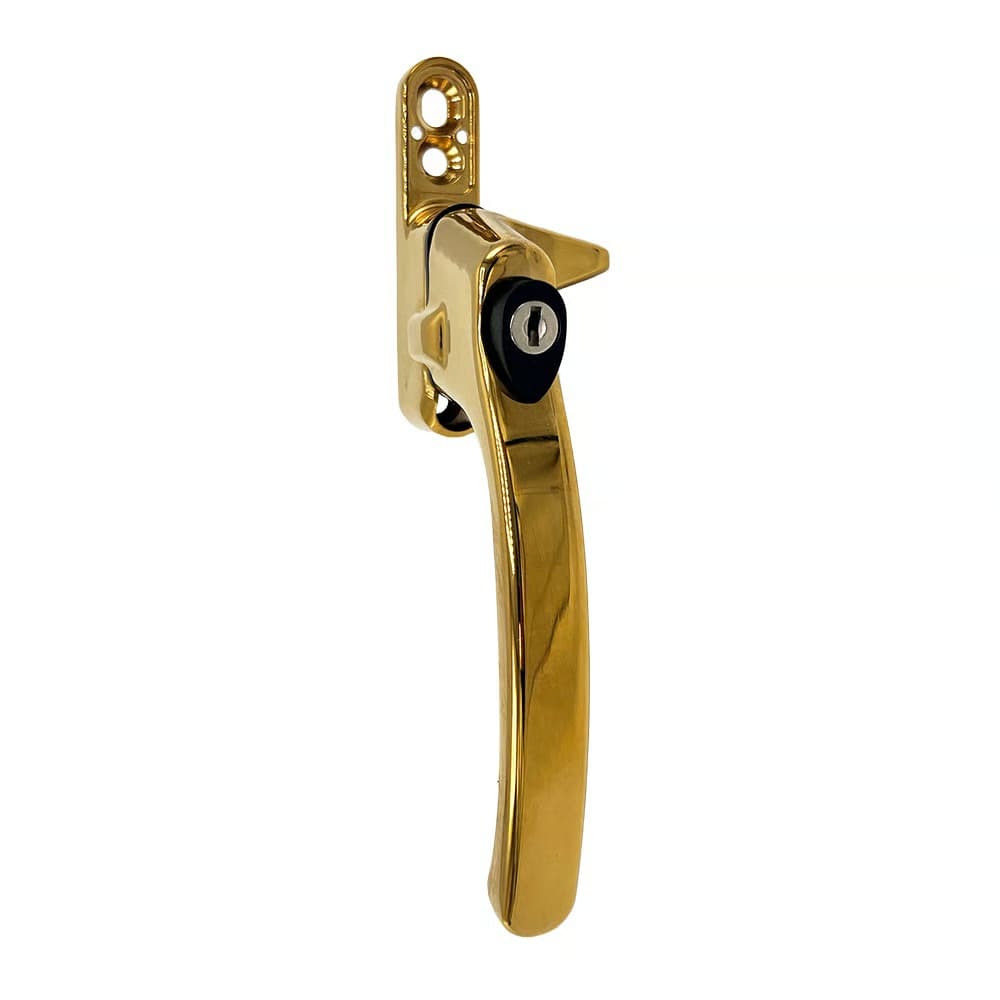
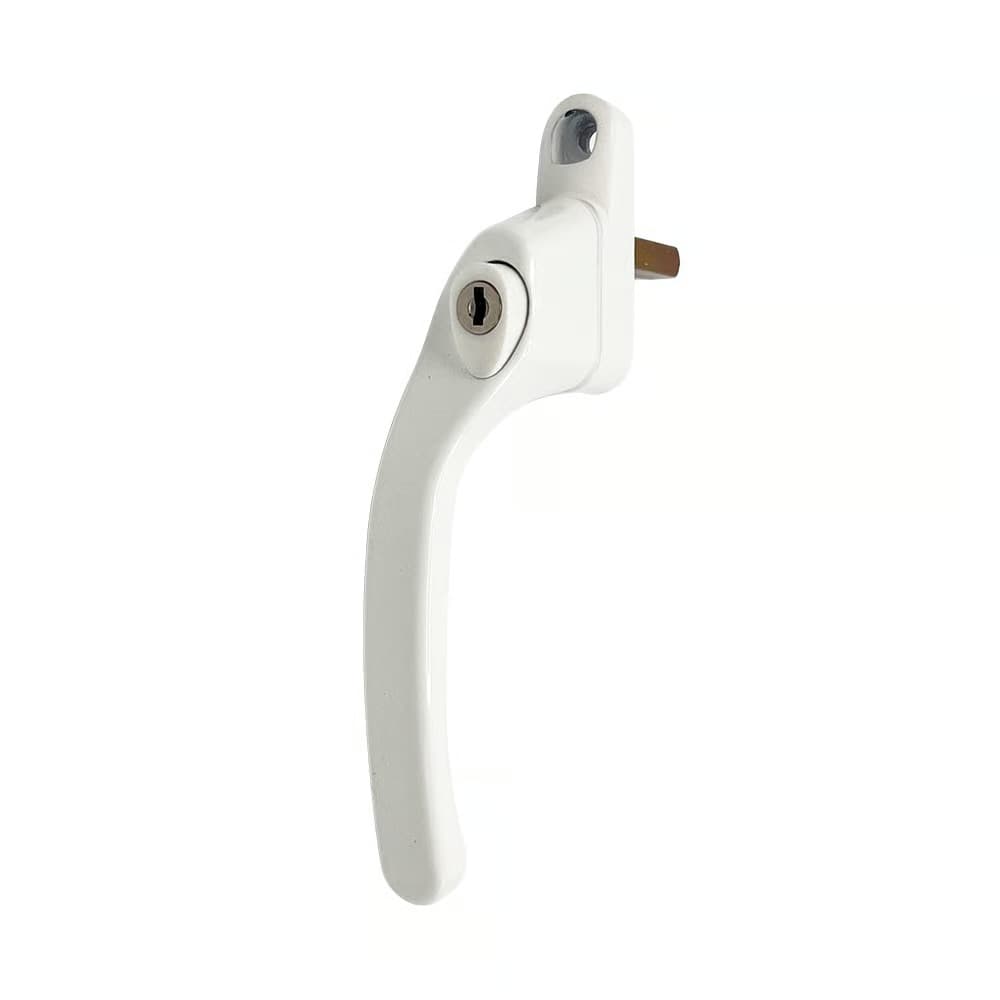
- Handle mechanics: Locking window handles should secure the handle spindle and prevent rotation when locked. Consider multipoint espagnolette mechanisms for uPVC and aluminium windows; these maintain compression and weatherproofing as well as security.
- Compliance: Ensure that any locking arrangement does not contravene fire escape requirements. In many jurisdictions, windows used for escape must still be operable from the inside without the use of a key.
Practical benefits of keyed alike
- Convenience: One key for multiple windows reduces time spent fumbling for different keys and simplifies key management for households and small businesses.
- Aftercare efficiency: Property managers and tradespeople benefit from fewer keys for maintenance visits, making window servicing quicker.
- Cost-effectiveness: Ordering a keyed alike set from the manufacturer can be cheaper than rekeying or sourcing individual cylinders later.
Practical benefits of keyed different
- Compartmentalisation: Tenanted properties and shared spaces benefit from keyed different locks to limit access to specific windows or rooms.
- Risk mitigation: Losing one key only compromises one lock rather than every window in the property.
- Insurance considerations: Some insurers prefer unique-key locks for commercial premises or multi-occupancy buildings, so confirm any policy requirements before deciding.
Choosing the right option: guidance for homeowners and tradespeople
- Survey the property: Identify escape routes, accessibility of each window and user habits. High-access windows should be prioritised for robust locks and, often, keyed different cylinders.
- Standardise where possible: For whole-property upgrades, standardising to one handle type reduces spare stock and simplifies maintenance. Choose a manufacturer that offers both keyed alike and keyed different services.
- Record key codes: When ordering keyed different cylinders, maintain accurate records of key codes and cylinder serials. This helps when replacements or duplicates are needed.
- Consider master keying: For larger properties, a master-key system allows a manager to open all locks while each tenant retains a unique key. Master-key systems must be planned at procurement and require compatible cylinders.
- Compatibility with hardware: Ensure the handle matches the window’s locking mechanism and spindle size. Some espagnolette systems require specific handle profiles to engage correctly.
- Child safety and fire escape: For ground-floor bedrooms and houses with children, balance security with the need to open windows quickly in an emergency. Keyed handles that can be unlocked from inside without a key are preferable for escape windows.
Installation and maintenance tips
- Professional fitting: Tradespeople should fit locking window handles to manufacturer tolerances and test in both locked and unlocked states. Incorrect spindle alignment or misfitted fixings can render a lock ineffective.
- Lubrication and wear: Use graphite or a dry PTFE spray in the cylinder — avoid petroleum-based oils which attract dust. Regularly check handles for wobble or corrosion.
- Key duplication and control: Restrict who can copy keys and use registered key control services if high security is required. Some premium cylinders offer restricted key profiles to minimise unauthorised duplication.
- Spare parts: Keep at least one spare cylinder and a spare key for rapid replacement in the event of wear or loss. Tradespeople often carry common keyed cylinders to expedite on-site repairs.
- Weatherproofing: On external windows, ensure seals and hardware coatings protect against damp ingress which can seize locking mechanisms.
Final selection checklist
- Identify windows that need locking and classify them by access risk.
- Choose keyed alike for convenience across multiple windows, keyed different where compartmentalisation is required.
- Confirm cylinder quality and any policy or regulatory requirements.
- Standardise hardware to reduce spares and speed up maintenance.
- Plan for key control, spare parts and appropriate professional installation.