Locking Window Handles: What They Do and When You Need Them
Locking window handles are a small but significant investment in home security, ventilation control and child safety. They combine the everyday function of...
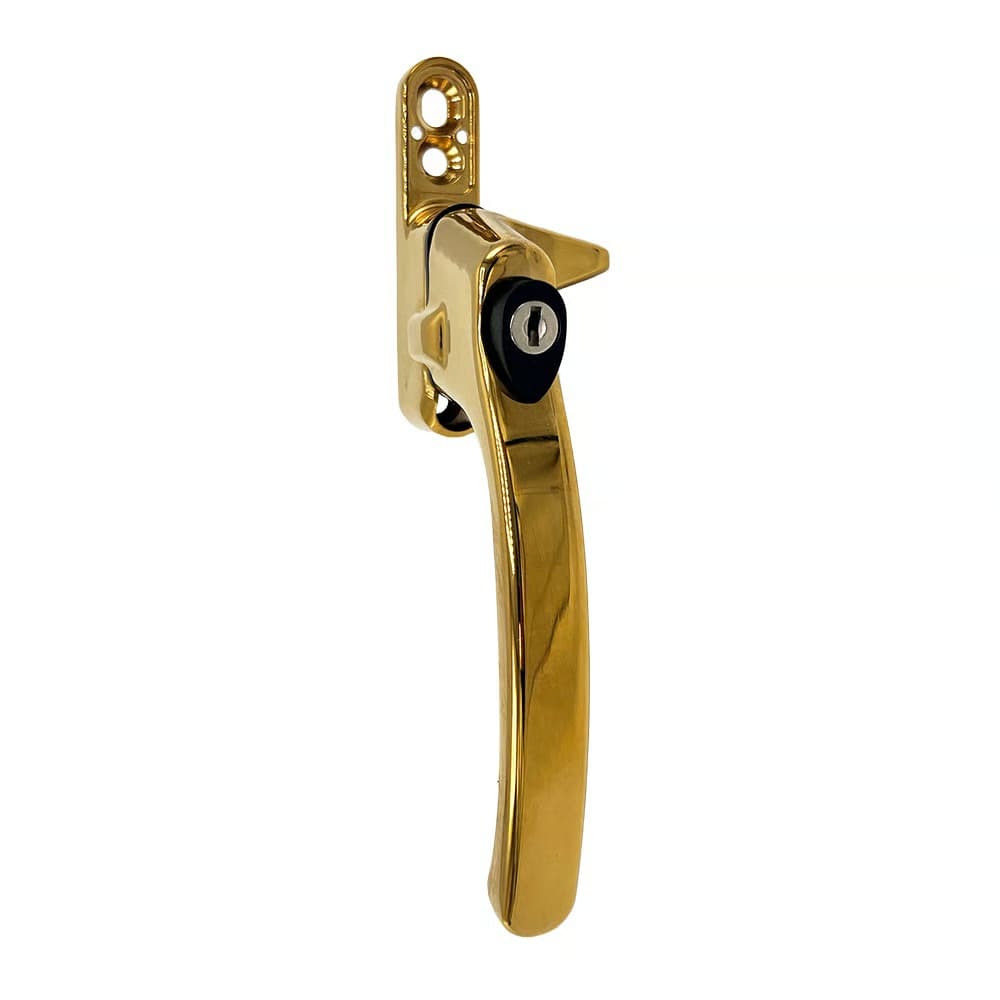
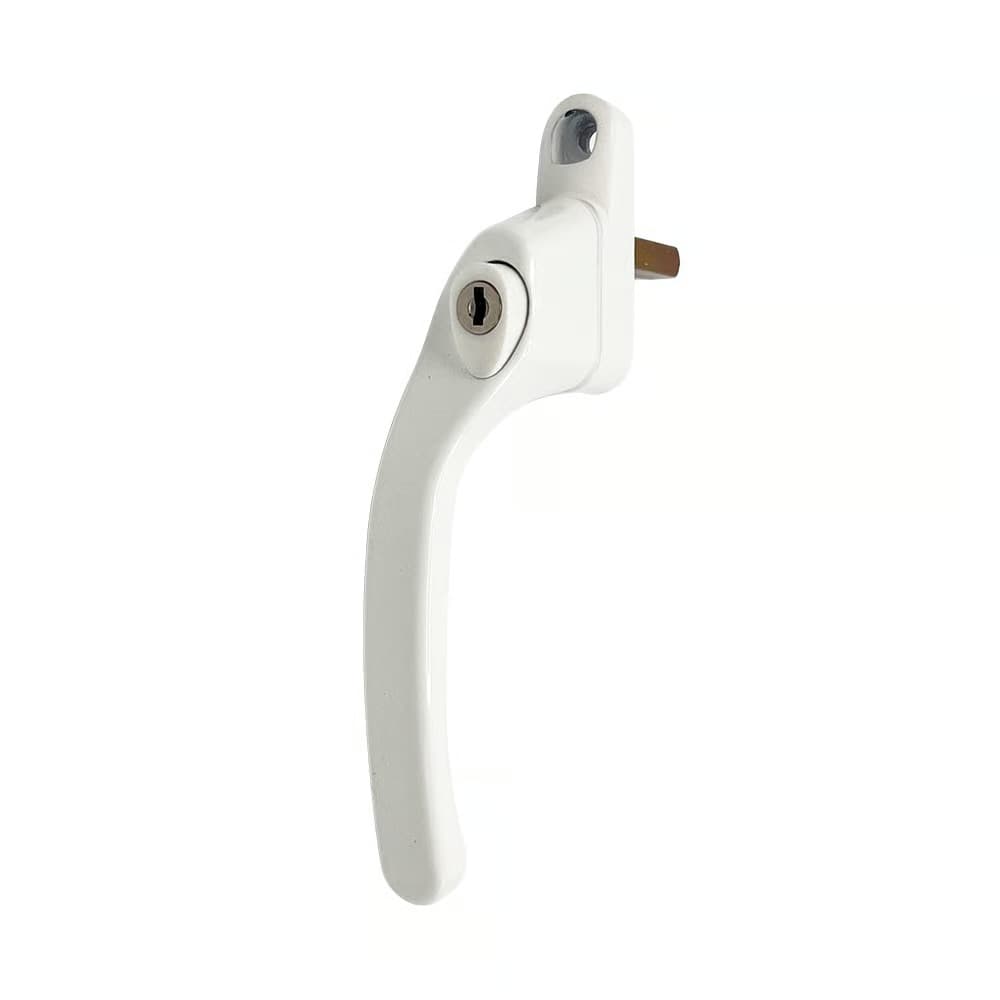
Locking window handles are a small but significant investment in home security, ventilation control and child safety. They combine the everyday function of an operating handle with an integrated lock, preventing unauthorised opening from outside and restricting access when windows are tilted for ventilation. This article explains what locking window handles do, when they are necessary, and how to choose, install and maintain them for both homeowners and tradespeople.
What locking window handles do
Locking window handles perform three main tasks:
- Secure the window in the closed or partially open position to deter intruders.
- Prevent accidental opening by children or pets when the window is left ajar for ventilation.
- Provide keyed or thumb-turn operation to control who can operate the window.
When locking window handles are necessary
Locking window handles are advisable in several practical situations:
- Ground-floor windows, basement openings and any accessible windows where an intruder could reach the handle.
- Rooms with vulnerable occupants, such as young children, elderly residents or where tenants need restricted access.
- Properties where windows are used for ventilation and need to be left partially open safely, such as kitchens and bathrooms.
- Compliance or upgrade projects aiming to meet enhanced security standards or gain Secured by Design recommendations.
Choosing the right type for the application
Selection depends on window type, material and security needs:
- Espag (multi-point) handles: Best for uPVC and aluminium windows with espagnolette gearboxes. They provide a secure, tamper-resistant solution and are often available with keyed locks for added security.
- Cockspur handles: Simpler and suitable for older metal or timber frames. They are cost-effective and quick to fit where full multi-point locking is not required; TSS Cockspur Window Handle is a typical example.
- Lever or tilt-and-turn handles: For tilt-and-turn windows, locking variants often include a removable key or thumb-turn to allow limited opening for cleaning and ventilation.
- Trade-specific considerations: Choose handles that match the spindle size, screw centres and backset of the existing hardware to avoid modifying the window. Where possible, use manufacturer-recommended parts to preserve warranties and maintain performance.
Installation and retrofit advice
Professional installation ensures correct alignment and operation. Key practical points for installers and competent DIYers:
- Measure accurately: Check spindle length, screw centres and handle orientation before ordering replacements.
- Match the locking method: Espag handles must engage existing multi-point gearboxes; cockspur handles must align with the catch or keep.
- Use the correct tools: A torque-limited driver for screw fixings and a properly sized Allen key for grub screws reduces the risk of stripping or over-tightening.
- Replace worn keeps: If the frame keep or striker plate is damaged or loose, fit a new keep to ensure the lock engages securely.
- Weather and paint: When reusing older frames, ensure paint or sealant does not obstruct moving parts. Clean pivot points and clear debris before fitting the new handle.
Maintenance and longevity
Regular care prolongs life and reliability:
- Clean with a soft cloth and mild detergent; avoid abrasive cleaners that erode coatings.
- Lubricate moving parts annually with a light silicone or graphite lubricant—do not use heavy oils that attract dust.
- Check fixings and grub screws periodically; tighten if the handle feels loose.
- Replace if the handle shows metal fatigue, corrosion or the locking mechanism becomes stiff despite lubrication.
Costs and value
Locking window handles vary in price according to material, finish and locking mechanism. Basic cockspur designs are the most economical; keyed espag handles or branded security handles cost more but add significant value in terms of security and durability. Consider the replacement cost of windows and potential insurance savings when choosing higher-quality hardware.
Final recommendations
Prioritise locking window handles on all accessible windows, particularly ground-floor units, basement openings and rooms with vulnerable occupants. For new installs, specify handles that match the window's locking gear and meet recognised security standards. For retrofit projects, ensure accurate measurement and consider replacing keeps and associated hardware for a complete, reliable upgrade. Tradespeople should document the specification and operation for clients, while homeowners should commit to routine maintenance to keep handles functioning correctly.