Locking Window Handles: When to Replace the Locking Mechanism Too
Locking window handles are a common upgrade for improving home security and child safety, but deciding when to replace the handle alone and when to replace...
Locking window handles are a common upgrade for improving home security and child safety, but deciding when to replace the handle alone and when to replace the entire locking mechanism requires careful assessment. This guide explains signs of wear, practical inspection steps, and replacement options for homeowners and tradespeople, helping to determine whether a simple handle swap suffices or a full mechanism overhaul is necessary.
Why the distinction matters
A locking window handle is the visible component that engages the internal locking parts. Replacing only the handle can be quick and cost-effective when the internal gearbox or espagnolette is sound. However, continued problems after a handle change, recurring failures, or visible damage to the internal mechanism indicate a need for a more comprehensive replacement. Choosing the correct approach prevents wasted time and avoids compromising security.
Common signs that a full mechanism replacement is needed
- Difficulty operating the handle despite lubrication. Smooth handle movement should translate into consistent locking action. If the handle moves but the lock does not engage properly, the internal gearbox, cams or spindle may be worn.
- Excessive play or wobble in the handle mounting. Movement at the base can indicate stripped fixings or a damaged spline/spindle.
- Misaligned or jammed locking points. If hooks, bolts or rollers fail to align with keeps when closing, the espagnolette or multi-point mechanism might be bent or worn.
- Corrosion or moisture damage inside the frame. Metal components affected by rust can seize or weaken, making replacement the safest option.
- Recurrent failures following previous repairs. Multiple fixes in short succession suggest underlying mechanism deterioration.
- Compatibility problems with replacement handles. Some older mechanisms use non-standard spindle sizes or unique fixings that render new handles incompatible.
Practical inspection steps
1. Visual assessment: Remove the handle to expose the spindle and the aperture. Look for rust, metal deformation, missing teeth on gear elements or shredded spindle ends. 2. Check spindle condition: Measure spindle length and profile. Common spindles are 7mm or 8mm flat-to-flat, but variations exist. A rounded or damaged spindle often necessitates mechanism replacement. 3. Operate the lock with the handle removed: Rotate the exposed gearbox or cam using a suitable tool. Observe whether the locking points move smoothly and fully engage. Resistance, grinding or incomplete travel indicates internal wear. 4. Inspect keeps and striker plates: Alignment issues at the keep can be resolved by adjusting keeps, but if the mechanism no longer pulls the sash into the keeper, the gearbox may be failing. 5. Test key or cylinder action (if applicable): Stiff or inconsistent key operation can point to internal cylinder or gearbox issues that a handle swap won't fix.
When replacing only the handle is appropriate
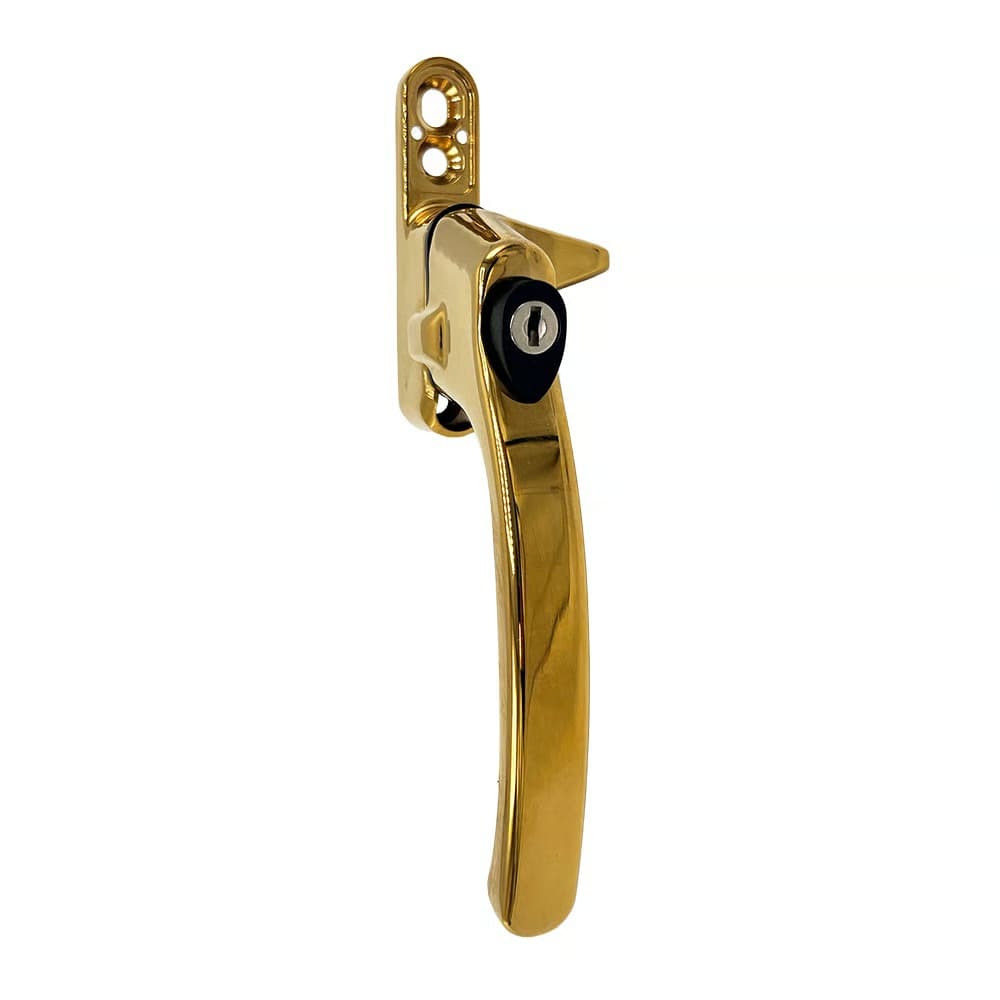
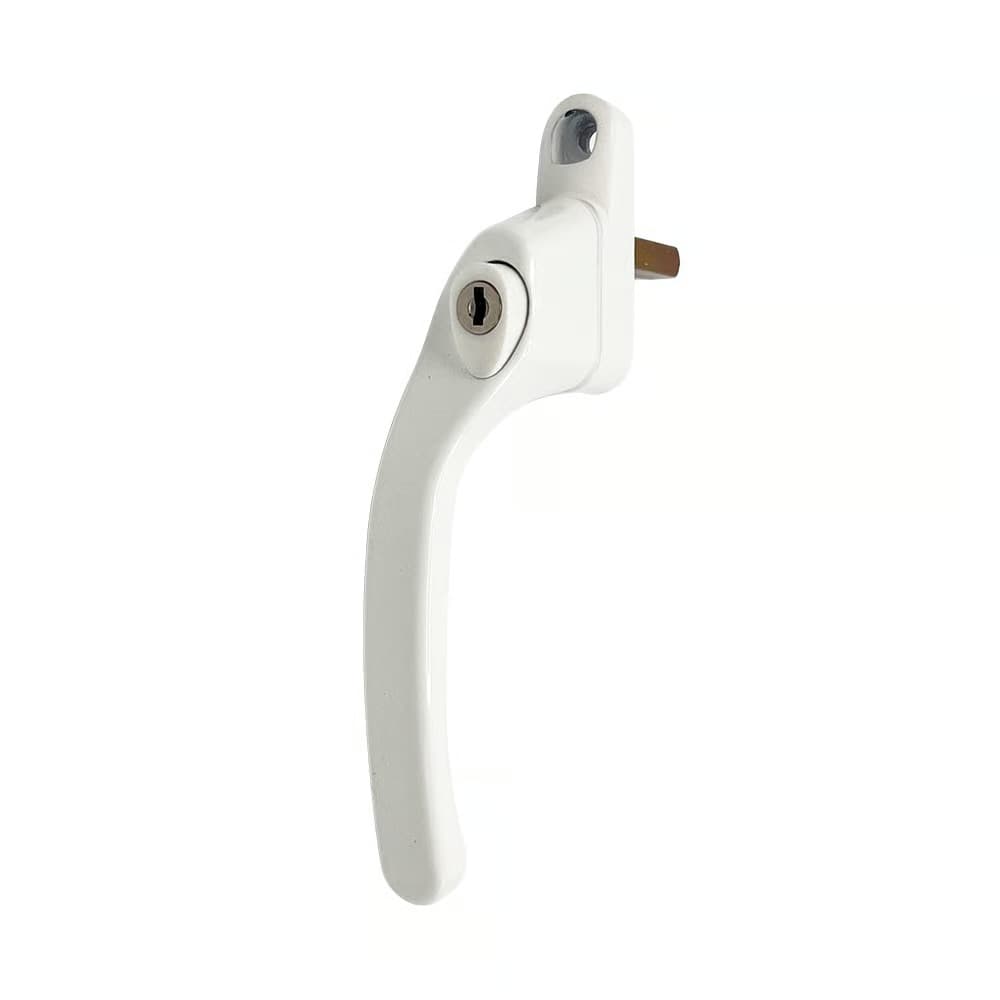
- Cosmetic or security upgrade: Replacing a worn or non-locking handle with a keyed or child-safe option can be effective when the internal mechanism is in good condition. Quality choices include handles with robust backplates and secure fixings, such as the TSS Cockspur Window Handles.
- Minor wear without functional symptoms: Light surface corrosion, minor wobble fixed by tightening fixings, or slight aesthetic damage may not justify a mechanism replacement.
- Standardised, serviceable mechanisms: Modern espagnolette systems with accessible fixings and replaceable spindles often allow a straightforward handle swap without disturbing the mechanism.
- Matching spindle and screw centres: When the new handle's spindle and screw centres match the existing mechanism, a direct replacement saves time and cost.
When to replace the locking mechanism as well
- Damaged or rounded spindle: If the spindle is worn through or the mechanism teeth are damaged, a handle replacement will not restore reliable function.
- Multiple locking points failing: For windows with multi-point locking systems, failure of any central gearbox or multiple cam elements usually means replacing the entire mechanism.
- Extensive corrosion or water ingress: Internal rust weakens components; mechanism replacement restores strength and longevity.
- Security upgrade requiring stronger internals: Upgrading to a high-security handle may necessitate a compatible robust mechanism to take full advantage of the improved handle features.
- Obsolete or proprietary systems: Very old or bespoke mechanisms that lack compatible replacement handles often require a full mechanism swap to modern standards.
Practical replacement tips for tradespeople and DIYers
- Match measurements precisely: Record spindle length, handle screw centres and the mechanism type (espag, cockspur, tilt-and-turn) before ordering parts.
- Stock common parts for efficiency: Tradespeople benefit from keeping popular handles such as the TSS Offset UPVC Window Handles and replacement cockspur handles like the TSS Cockspur Window Handle available for rapid fixes.
- Use correct fixings and thread types: Window handles often use metric fixings; substituting the wrong screw can damage the frame or fail to secure the handle.
- Check and adjust keeps: After any replacement, ensure keeps and striker plates are correctly positioned to allow full engagement of locking points.
- Seal and protect cut edges: When replacing mechanisms, small adjustments to frame mortices may expose bare metal. Apply rust-inhibitor and silicone sealant where appropriate to prevent water ingress.
- Follow manufacturer torque specifications: Over-tightening can crack uPVC or timber frames; under-tightening leads to movement and wear.
Cost and time considerations
Handle-only replacements are generally low-cost and quick, often completed in under 30 minutes for a single window. Full mechanism replacements take longer and may require sash removal, mortice adjustments and re-sealing, typically taking one to two hours depending on access and complexity. Labour and parts for mechanisms are higher, but replacing a compromised mechanism is a sound investment for long-term security and operation.
Final recommendations
Choosing between replacing a locking window handle alone or the entire locking mechanism depends on a clear inspection of the spindle, gearbox and locking points. Prioritise safety and functionality: replace the mechanism when internal wear, corrosion or multiple point failures are present. For straightforward cosmetic or single-component wear, a quality handle swap is sufficient. Tradespeople should carry measurement tools and common spare parts to diagnose and complete repairs efficiently, while homeowners should document measurements and defects before purchasing replacements.