Matching Replacement Window Handles: Colours, Handing, and Fixings
Matching replacement window handles is a common task for homeowners and tradespeople aiming to refresh appearance or restore function without replacing ent...
Matching replacement window handles is a common task for homeowners and tradespeople aiming to refresh appearance or restore function without replacing entire frames. Correct selection involves more than choosing a matching colour; handing, fixing centres and compatible locking mechanisms determine whether a handle will fit and operate correctly. This guide provides practical, actionable advice to identify the correct handle, measure for fit, and install replacement window handles with confidence.
Identify the handle type and mechanism
Different window systems use distinct handle types and fixings. The three most common are espagnolette (espag) handles, cockspur handles and locking window handles.
- Espag handles operate a multi-point espagnolette gearbox inside the frame. They usually have a sprung spindle and require a matching gearbox or espag rod.
- Cockspur handles clamp onto the beading and use a short bolt that hooks over a keep; they are common on older and aluminium windows.
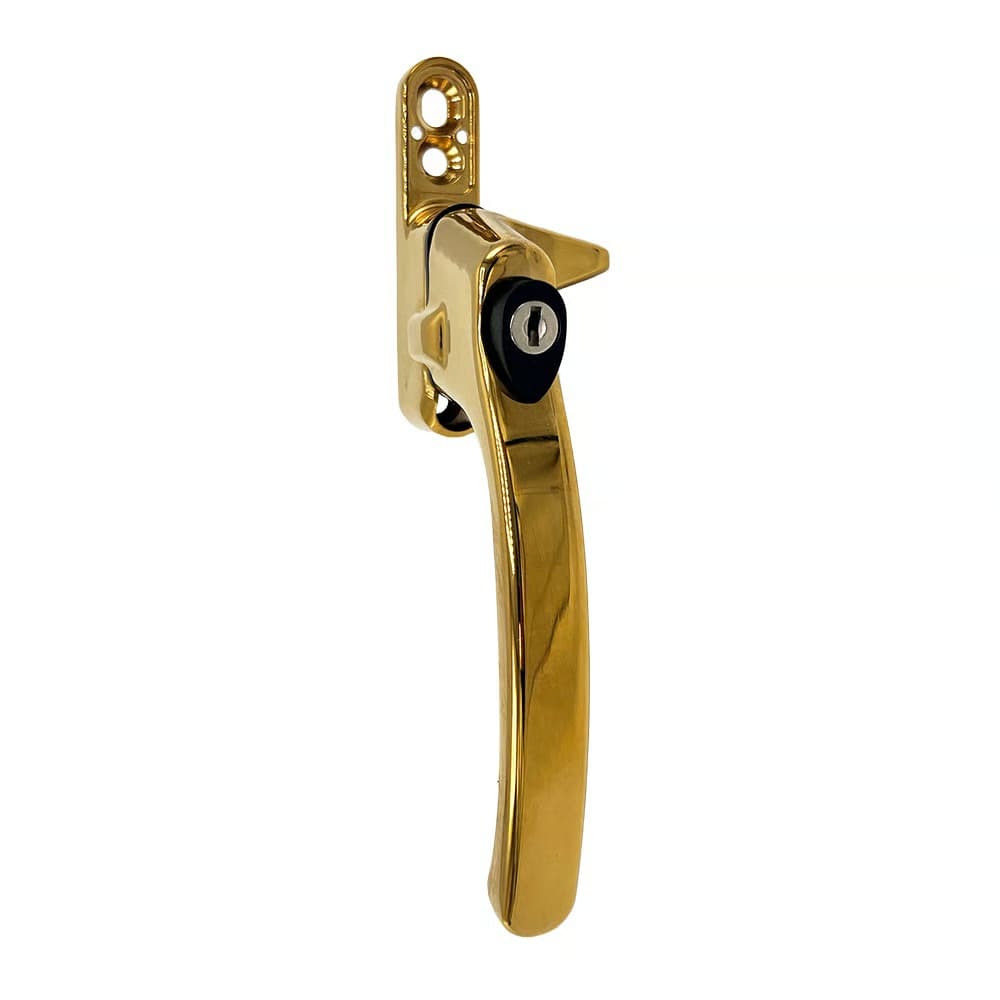
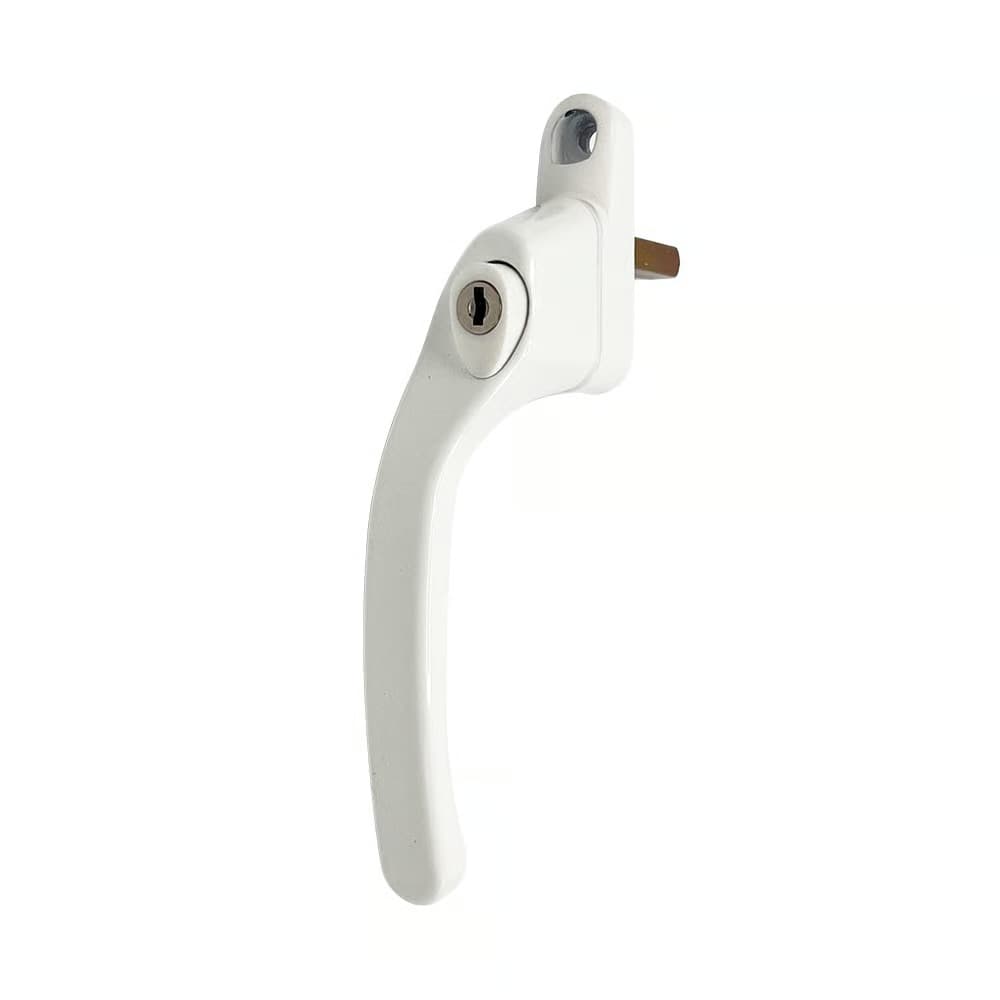
- Locking window handles (such as 3 star or more secure options) include an integrated lock and require clearance for the key barrel.
Determine handing (left or right)
Handing indicates the side the handle is on when viewed from the outside and the direction it operates. Handing matters particularly for casement windows and locking handles; fitting the wrong handed handle can prevent operation.
How to check handing:
- Stand outside the building and look at the window. If the hinge is on the left and the handle is on the right, this is a left-hand opening (LH). If the hinge is on the right and the handle on the left, this is a right-hand opening (RH).
- For top-hung or bottom-hung windows, handing may be irrelevant, but confirm before ordering lockable handles.
Measure fixings and centres
Accurate measurements prevent returns and wasted time. Key measurements to record:
- Fixing centres: the distance between the centre of the screw holes that secure the handle to the frame. Common centres include 43mm, 63mm for cockspur locks, and various espag plate centres.
- Backset: for handles that fit onto a spindle and gearbox, measure the distance from the face of the handle rose to the centre of the spindle or to the fixing point.
- Spindle size and length: measure the square spindle (usually 7mm) and the length that protrudes through the door or frame. Replace like-for-like to ensure the handle engages fully with the gearbox.
- Hole diameter: measure the screw hole and keyway diameters to verify the new handle’s fixings will pass through without modifying the frame.
Match colour and finish
Colour matching improves aesthetics and maintains the property’s style. Common finishes include white, black, satin chrome, polished chrome and bronze. Practical tips:
- For painted aluminium frames, match the frame profile and colour family rather than chasing an exact shade; small variances are less noticeable.
- Choose corrosion-resistant finishes for coastal properties—powder-coated handles or stainless-steel fixings resist salt damage better than plated finishes.
- For heritage properties, consider traditional finishes like brass or bronze and check whether lacquered brass is available to prevent tarnishing.
Fixings, screws and installation tips
Correct fixings ensure longevity and prevent rattling or leaks.
- Use the correct screw type: self-tapping screws for uPVC or softwood, stainless screws for exposed locations, and security screws when extra tamper resistance is required.
- Check screw length: screws should bite into the substrate without protruding through the opposite face. For aluminium or thin frames, use suitable packers or backing plates.
- Seal around fixings where necessary with a small bead of neutral-cure silicone to prevent water ingress on external installations.
For espag handles, ensure the espag rod engages correctly with the gearbox; if not, adjust rod position or replace the espag strip to the correct length.
Troubleshooting common problems
- Handle droops or is loose: tighten fixings and replace worn screws or stripped threads. For uPVC frames, insert a small nylon plug to provide new bite for the screw.
- Handle does not engage the lock: measure spindle length and check gearbox alignment. A short spindle or misaligned gearbox is the usual cause.
- New handle interferes with beading or hardware: verify backset and plate profile before installing; choose low-profile handles for tight spaces.
Final considerations and procurement
Order a test handle when replacing multiple units or working on an unfamiliar system to confirm fit and finish. Keep a record of measurements, handing and finish for future replacements or maintenance cycles. For comprehensive information on styles, fittings and measurements, consult a specialist guide such as Window Handles Guide.
Selecting the correct replacement window handles requires precise measurement, an understanding of mechanism type and appropriation of finish and fixings. Following the practical steps above will reduce returns, improve installation speed and ensure reliable long-term performance.