
Matching Your Window Gearbox to Existing Keeps and Strikers
Matching Your Window Gearbox to Existing Keeps and Strikers Choosing the correct window gearbox is a practical skill for installers and capable DIYers. The...
Matching Your Window Gearbox to Existing Keeps and Strikers
Choosing the correct window gearbox is a practical skill for installers and capable DIYers. The gearbox is the mechanical heart of an espagnolette system: it converts handle rotation into the movement of rods and keeps. If the gearbox is mismatched to the keeps or strikers the handle may be stiff, the lock may not fully engage, or you may need to replace multiple components needlessly. This post explains how to match a window gearbox to existing keeps and strikers with trade-level detail and homeowner-friendly advice.
Understand how a window gearbox works
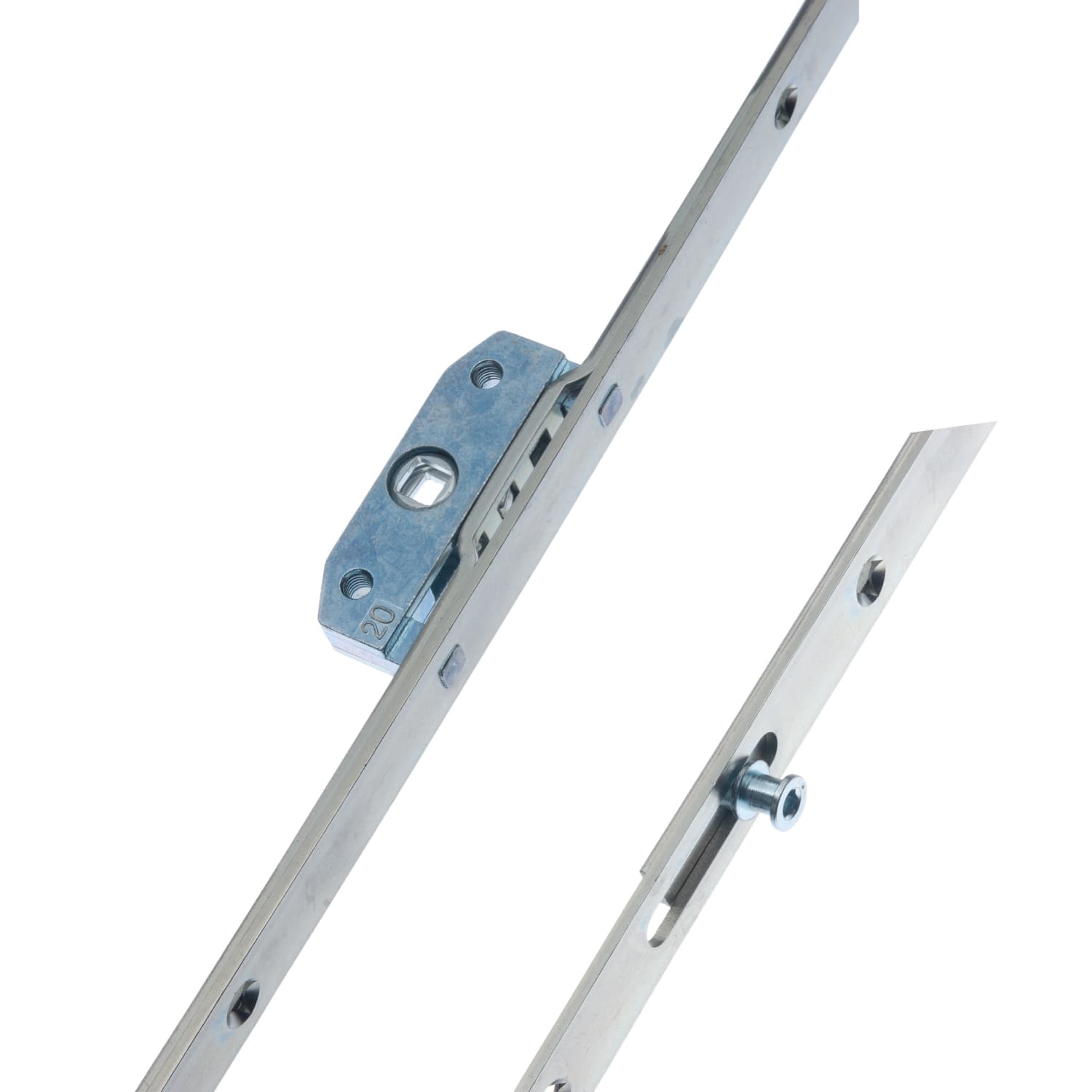
A window gearbox houses the gearing that drives the locking elements: hooks, rollers or cams on the locking rods. Turning the handle rotates a spindle or shaft inside the gearbox; internal gearing changes that rotation into linear movement at the rod fixings. Gearboxes vary in spindle size, travel or throw, orientation and mounting plate dimensions. Keeps and strikers are the counterpart fittings fixed to the frame that receive the moving locking elements. Correct interaction between gearbox travel and striker position is essential for smooth, secure operation.
Measuring and identifying the existing keeps and strikers
Before ordering a replacement gearbox, take a few careful measurements and notes on the existing hardware:
- Spindle size and shape: measure the square spindle across flats; common sizes for espagnolette window handles are 7mm square; confirm whether it is square or splined.
- Distance from spindle centre to key strike/keep centreline: this gives you the gearbox centre or centreline height to match mounting positions.
- Vertical travel or throw required: measure how far the locking element (hook, roller or cam) needs to move to fully engage the striker; do this by measuring the projection of the striker and the current travel of the locking element.
- Faceplate and fixing positions: note screw hole centres and faceplate width and height; some gearboxes have removable faceplates for easier replacement.
- Handing and operation: check whether the handle operates clockwise to lock or anticlockwise; some gearboxes are handed or reversible.
- Condition of keeps and strikers: photograph and note if keeps are adjustable or worn; adjustable keeps allow compensating for small differences in travel or position.
Matching gearbox parameters to keeps and strikers
When selecting a replacement window gearbox consider these technical points:
- Spindle compatibility: ensure the replacement gearbox accepts your handle spindle size and shape; if the gearbox spindle differs you will need a new handle or adaptor.
- Throw and cam profile: the gearbox must provide sufficient travel to engage the striker fully; for hook and roller systems the geometry is important: a gearbox that gives too little throw will not lock securely; one that gives too much may stress the striker or cause jamming.
- Mounting centres: the mounting fixing positions and faceplate dimensions should match the existing cut-out or be adaptable; reversible faceplates are useful for a standard retro-fit.
- Handing and rotation direction: match gearbox rotation to the existing handle operation or choose a reversible model; confirm whether the mechanism is multi-point with followers for upper and lower rods.
- Material and finish: for coastal properties choose stainless or corrosion-resistant finishes; for standard homes zinc-plated or passivated finishes are acceptable.
- Compatibility with existing keeps: if keeps are adjustable you may be able to tweak them to match a new gearbox; if keeps are worn, replacement keeps often give far better long-term performance than forcing an incompatible gearbox.
Practical installation tips for tradespeople and DIYers
Follow these practical steps during replacement to reduce adjustments on site:
- Take the old gearbox to the supplier: an exact match is far quicker than guessing; bring the handle too so the supplier can confirm spindle fit.
- Mark and measure before removal: photograph and mark the position of keeps and striker plates relative to the sash; this helps with re-establishing alignment.
- Use a reversible or modular gearbox where possible: these save time by allowing you to change handedness or adjust the faceplate without swapping the whole mechanism.
- Check striker projection: if the striker sits proud or is recessed beyond the gearbox throw, either replace the striker with an adjustable keep or fit packers to bring it into line; avoid forcing the gearbox to operate against a misaligned keep.
- Lubrication and test cycles: lightly grease gearbox gears and test the handle through several cycles before re-fitting trims; this exposes binding and alignment issues early.
- Where necessary, replace worn keeps: metal fatigue and plastic wear are common causes of poor engagement; replacing the keep is frequently simpler than re-working the gearbox geometry.
Common problems and how to fix them
These are typical faults encountered when a gearbox and keeps are mismatched:
- Stiff or heavy handle: often caused by insufficient gearbox throw, worn keep, or misaligned striker; measure throw and replace gearbox or keep as required.
- Handle returns after locking: this indicates the locking element is not fully engaging the striker; check striker projection and gearbox travel.
- Hook or roller misses the striker at the top or bottom: this suggests incorrect vertical alignment; adjustable keeps or a different gearbox cam profile will correct the issue.
- Excessive wear at striker face: a gearbox giving too much throw or a poor cam shape can hammer the striker; replace damaged keeps and match the gearbox to avoid repeat wear.
When to change keeps rather than the gearbox
Sometimes replacing the striker or keep is the right choice: if the gearbox is new or common size and the keep is visibly worn, changing the keep restores correct engagement and is less disruptive. Conversely, if the existing keep is fixed in the frame and the sash has non-standard geometry, a different gearbox with an appropriate cam profile may be the solution. As a rule of thumb: if the gearbox is older and worn, replace it; if the keep is worn, replace the keep; if both show wear, replace both and set alignment carefully.
For additional technical details on espagnolette window locks and related components see our pillar resource: espagnolette window locks. That page covers rod systems, hook profiles and handle types useful when choosing a gearbox.
Conclusion: matching a window gearbox to keeps and strikers is largely a matter of accurate measurement and understanding of the required throw and mounting geometry. Next steps: measure spindle size and throw, photograph current keeps and striker positions, and either take the old gearbox to your supplier or order a reversible modular gearbox. If in doubt, consult a trade supplier or fitter to avoid repeated replacements and ensure secure operation.
Recommended Products
Based on this article, you may find these products helpful:
Products mentioned in this article
Related articles
Window Gearbox Maintenance: Keeping Your Locks Working Smoothly
Window Gearbox Maintenance: Keeping Your Locks Working Smoothly A well maintained window gearbox keeps casement and tilt-and-turn windows operating smoothl...
Troubleshooting Shootbolt Problems: A Window Fitter's Guide
Troubleshooting Shootbolt Problems: A Window Fitter's Guide Shootbolts are a small but vital component in many modern window and patio door locking systems...
What Is a Shootbolt Lock? Complete Guide to Window Security
What Is a Shootbolt Lock? Complete Guide to Window Security What is a shootbolt? A shootbolt is a mechanical locking element commonly used in windows and d...