New Window Handles: How to Choose the Right Type
Choosing new window handles is a small but important decision that affects security, functionality and the overall look of a property. Whether replacing wo...
Choosing new window handles is a small but important decision that affects security, functionality and the overall look of a property. Whether replacing worn hardware in a Victorian terrace or specifying components for a new build, selecting the right type involves understanding handle mechanisms, materials, locking options and compatibility with existing windows. This guide gives practical, actionable advice for homeowners and tradespeople to make confident choices and avoid common pitfalls.
Consider the window type and locking mechanism
The first step when choosing new window handles is identifying the window type and existing locking mechanism. Common styles include casement (espagnolette), tilt-and-turn, sliding and traditional side-hung sash windows. Each requires a compatible handle:
- Espag/espagnolette windows use a handle that operates a multi-point locking strip; replacement handles must match the spindle and screw positions.
- Cockspur handles latch directly onto a keep and are common on older metal or uPVC windows.
- Sash windows use different furniture such as sash lifts or cockspur-style stays.
Prioritise security and locking features
Security standards and insurance requirements influence handle choice. For ground-floor and accessible windows, choose handles with a locking feature or that are part of a multi-point locked system. Look for handles with 3 star or TS007 ratings where enhanced security is needed. Key-locking handles prevent unauthorised opening from outside and are particularly relevant for childcare settings or vulnerable properties.
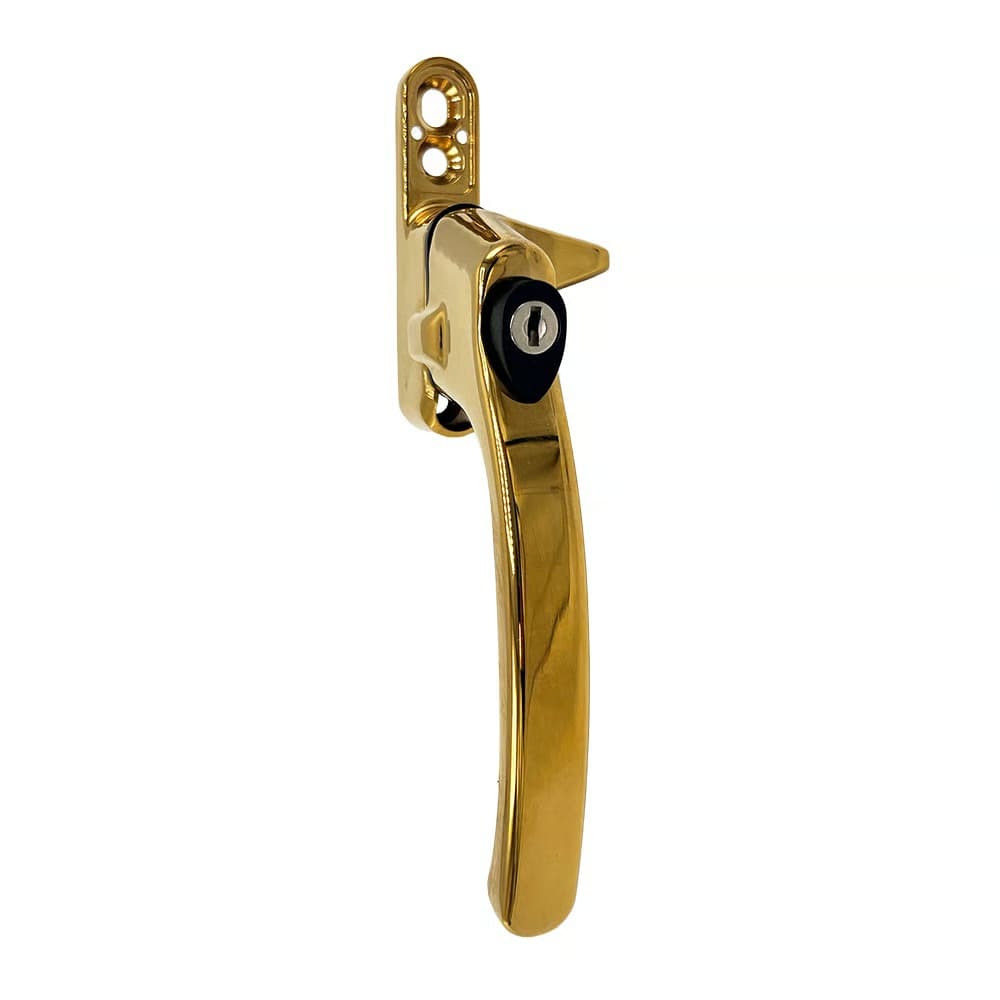
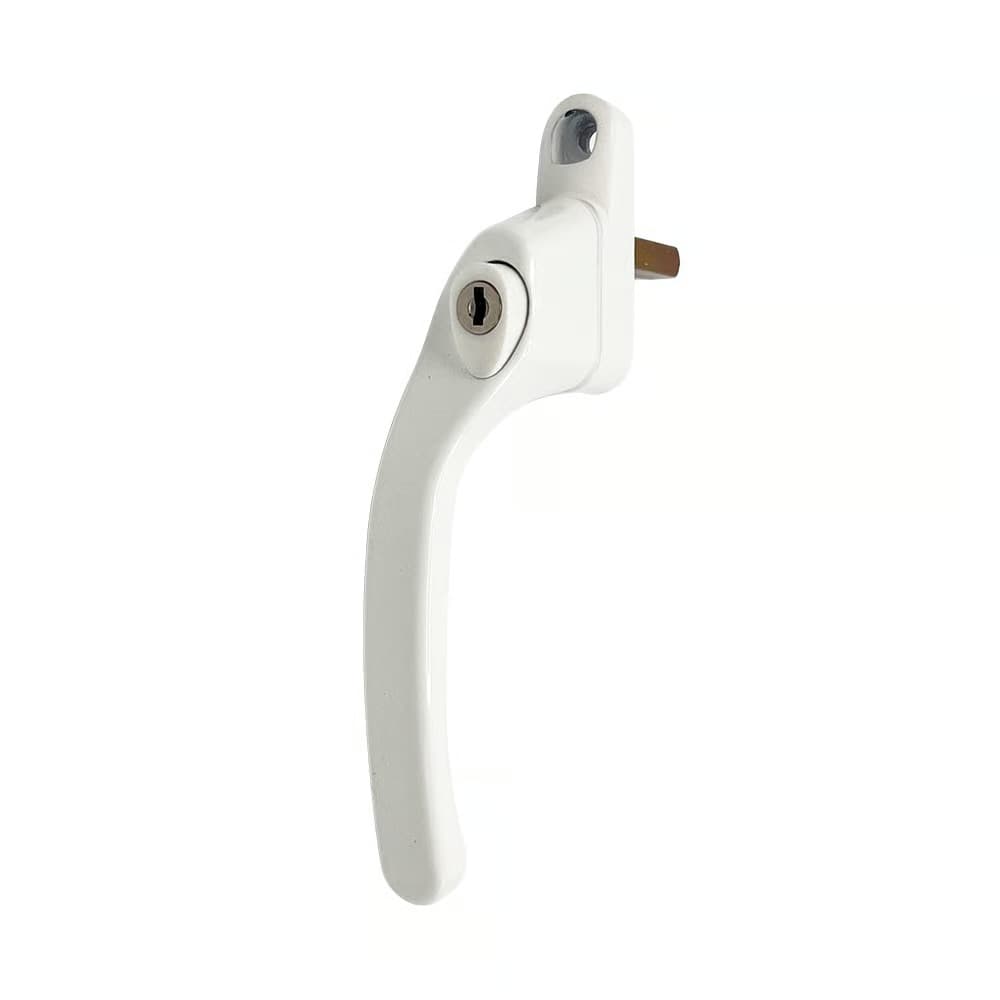
When specifying new window handles for a project, ensure the lock type matches the existing mechanism (euro cylinder, oval cylinder or keyless cam). For a durable keyed option suitable for traditional applications, the TSS Offset UPVC Window Handles provides an established, secure solution with proven manufacturing standards.
Match material, finish and durability to environment
Handle material and finish affect longevity, maintenance and aesthetics. Common materials are zinc alloy, aluminium and stainless steel:
- Zinc alloy: Economical, good for interior or sheltered locations but may corrode in coastal environments.
- Aluminium: Lightweight and corrosion-resistant, suitable for modern window systems.
- Stainless steel: Best for longevity in exposed or coastal areas, albeit with higher cost.
Ergonomics and operation
Comfort of use matters for frequent openings or for households with elderly occupants. Lever handles with larger grips are easier to operate than compact knobs. Consider handle return springs and the torque required to operate locks; some high-security espag systems need more force to engage. For tilt-and-turn windows, ensure the handle provides clear detents or positions for tilt, turn and locked states to avoid misuse that can stress the window mechanism.
Installers should check that spindle length allows full engagement without binding and that the handle sits flush to the frame to prevent snagging during operation.
Compatibility and measurements
Accurate measurement avoids costly returns. Key measurements include:
- Spindle length from the handle face to the lock case or spindle recess.
- Screw hole centres (measured edge to edge of holes).
- Backset and faceplate size for espagnolette mechanisms.
Installation tips and best practice
Installation should be straightforward for a competent DIYer or a skilled tradesperson. Follow these steps to reduce installation errors:
- Test-fit the replacement handle before final fixing to confirm spindle engagement and clearances.
- Use the correct torque on fixing screws to avoid stripping thread in uPVC frames.
- Where a keyed handle is installed, check that the key operation works smoothly and that the key can be removed only in the intended position.
- Apply a small amount of dry lubricant to moving parts after installation; avoid oily lubricants that attract dust.
- When fitting on shared or sealed units, ensure the handle does not compress or distort seals during normal operation.
Aesthetic considerations and matching hardware
Handles contribute to the room’s visual coherence. For period properties, choose classic shapes and finishes to match existing fittings; for contemporary schemes, slimline aluminium or chrome levers complement minimalist windows. Where multiple windows are being updated, standardise on one finish and style to reduce perceived visual clutter.
Accessories such as sash locks, keeps and child-safety restrictors should match in finish and function. Confirm that replacement handles do not require new keeps or strikes that would alter the appearance of frames.
Cost, warranty and quality indicators
Budget influences choice, but balancing initial cost against longevity and security is important. Higher-quality handles often include better internal mechanisms, corrosion resistance and longer warranties. Look for manufacturer warranties and check online reviews or trade references before bulk purchases. For trade purchases, buying from reputable suppliers that provide product datasheets and certification simplifies compliance with building regulations and insurance requirements.
Summary
Selecting new window handles involves technical compatibility, security, durability and aesthetic choices. Measure accurately, match the handle to the window type and locking mechanism, prioritise secure and corrosion-resistant finishes for exposed positions, and test-fit before final fixing. Tradespeople should carry common spindle sizes and finishes; homeowners should retain old handles for reference when ordering replacements. Thoughtful selection reduces future maintenance and improves both safety and usability of windows.