Quick Swap Guide: Replacing Window Handles in 10 Minutes
Replacing a window handle is one of the quickest, most cost-effective repairs a homeowner or tradesperson can perform. A straightforward swap restores secu...
Replacing a window handle is one of the quickest, most cost-effective repairs a homeowner or tradesperson can perform. A straightforward swap restores security, improves operation and refreshes appearance — often in under ten minutes. This guide explains how to identify the type of handle, select a compatible replacement, and complete the swap safely and accurately.
Tools and preparation
Essential tools for most handle replacements:
- Cross-head and flat-head screwdrivers (appropriate sizes)
- Tape measure or ruler
- Pen and paper for recording dimensions
- Drill with small bit (for stuck or seized screws)
- Cleaning cloth and mild detergent
- Masking tape (optional, to protect surrounding paintwork)
- Work on a stable step ladder if the window is high
- Wear safety glasses when drilling or working with metal fixings
- Lay a cloth on the sill to protect the surface and catch small parts
Identifying the handle and recording measurements
Accurate measurements save time:
- Backset: measure from the edge of the handle rose to the centre of the spindle or lock mechanism
- Screw centres: distance between the fixing screws on the rose or base plate
- Spindle size and length: common sizes are 7mm square; measure the protruding spindle length
- Handle type: note whether the handle is reversible (left/right) or fixed orientation
Choosing the right replacement
Select a replacement that matches the measurements and the lock mechanism. For espag applications, choose a handle compatible with the spindle size and screw centres. Tradespeople may prefer high-durability options with stainless steel fixings, while homeowners might prioritise finishes that match existing ironmongery.
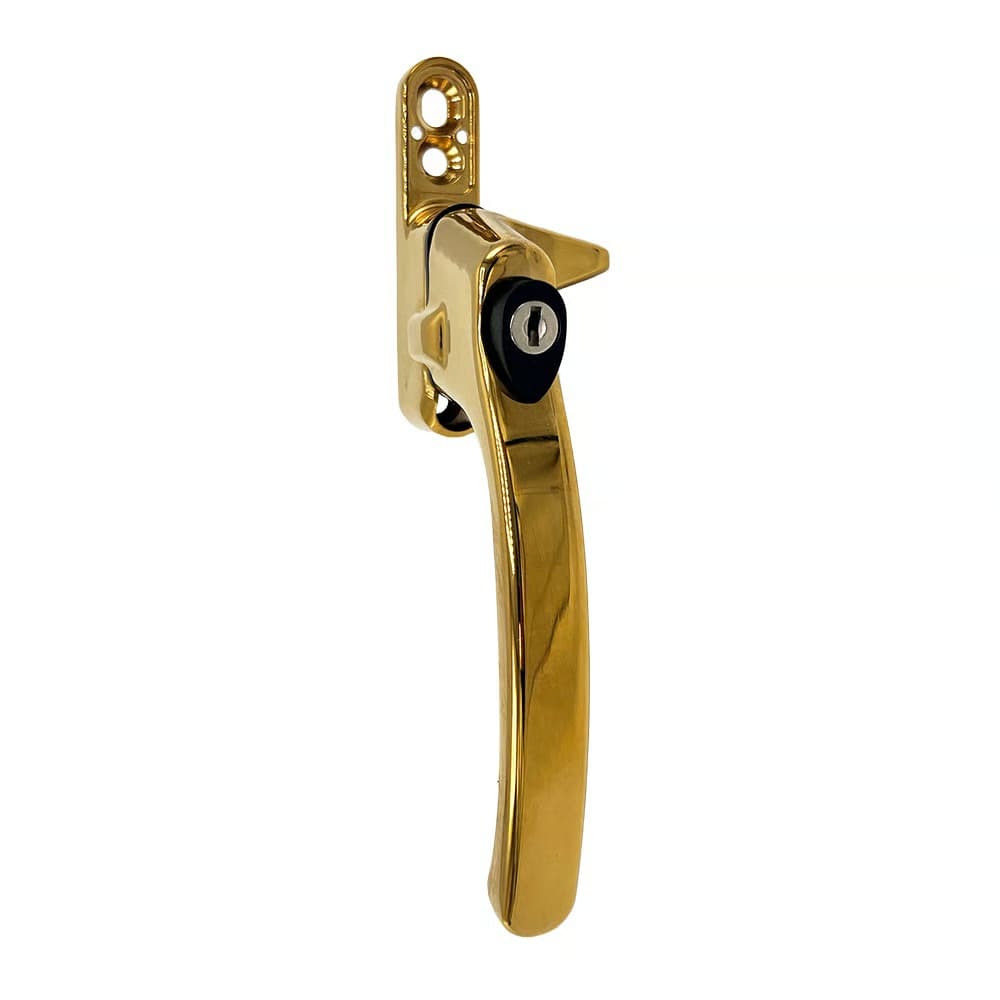
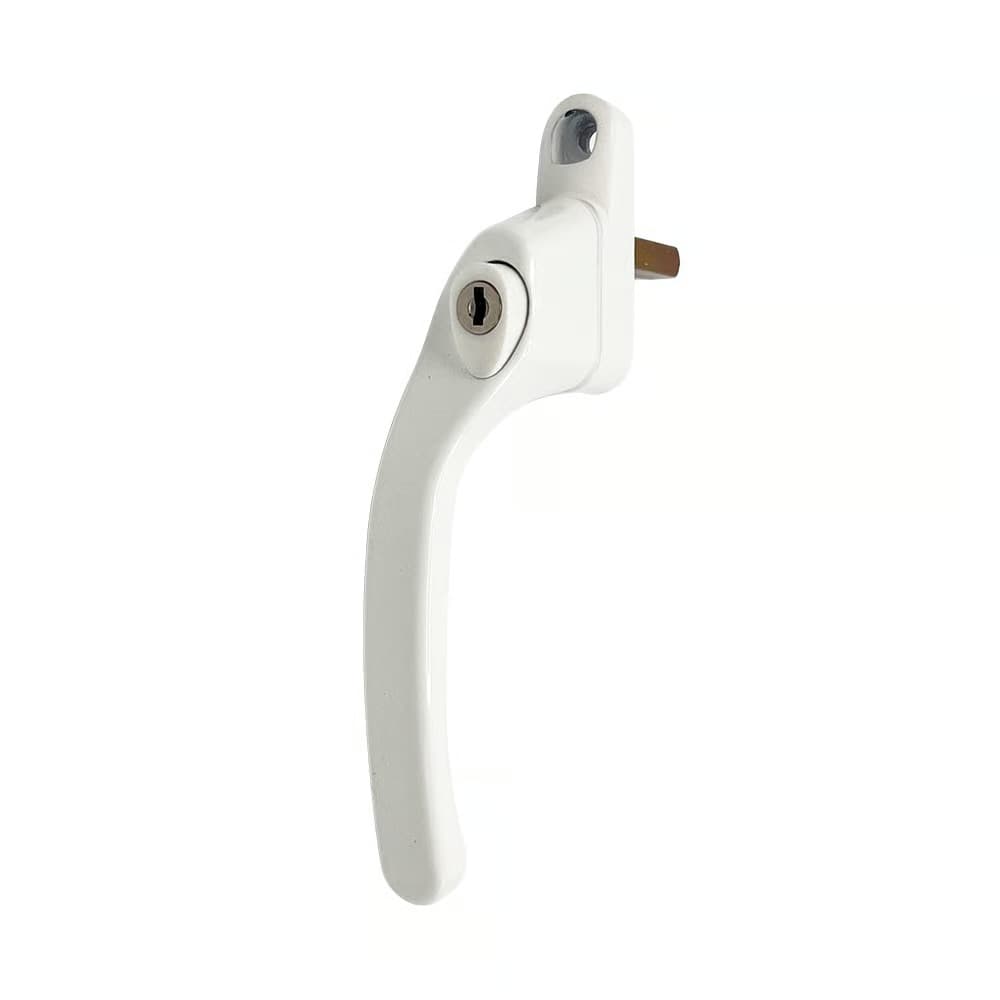
Examples of suitable replacements include durable, secure options designed for typical window systems:
Purchase the handle with the correct handedness or reversible capability to avoid later adjustments.Removal: step-by-step
1. Move the handle into the closed or neutral position so fixings are accessible. 2. Remove the decorative cover if fitted. Many designs have a clip-on cap; gently lever it off with a flat-head screwdriver protected by a cloth to avoid scratching. 3. Loosen and remove the fixing screws. Support the handle as the screws are fully released to prevent it dropping onto the sill. 4. For espag handles, withdraw the spindle by pulling the handle clear; for cockspur handles, unhook the arm from the frame before removal. 5. Clean the area and inspect the spindle and frame for damage or corrosion. Replace or lubricate components as necessary.
If screws are seized, apply penetrating oil, let it soak for a few minutes and reattempt. If a screw head is damaged, a screw extractor or a small drilling operation may be necessary.
Fitting the replacement: quick swap method
A careful, organised approach ensures the swap remains under ten minutes for most standard installations:
1. Check the replacement handle’s screw centres and spindle alignment against the old handle. Mark positions with a pencil if required. 2. Fit the spindle into the new handle. For adjustable spindles, set the correct protrusion so the handle operates without binding when closed. 3. Position the new handle on the frame, aligning the spindle and screw holes. If the handle has a removable cover, leave it off until the fixings are tightened. 4. Insert and lightly tighten the fixing screws by hand to hold the handle in place. Once both screws are engaged, fully tighten in a diagonal sequence to ensure even seating. Avoid over-tightening which can strip threads or crack plastic roses. 5. Test the handle by operating the window through its full range — close, lock and open. Confirm smooth operation and proper engagement with the locking mechanism. 6. Refit the decorative cover if present and perform a final wipe down.
For cockspur handles, ensure the spur arm hooks correctly over the frame bead; adjust alignment slightly if necessary to achieve a firm, secure engagement.
Troubleshooting common issues
- Handle wobbles after fitting: check screw length and ensure screws are tightened into good material — replace with longer or thicker screws if fixings pull through soft timber or hollow profiles.
- Stiff operation: verify spindle alignment and that the spindle length is not too long, causing binding. Lubricate the locking mechanism with a dry silicone spray, not heavy oil, which attracts dust.
- New handle won’t engage locking points: confirm correct backset and that the espag backset aligns with the gearbox. Small misalignments can often be corrected by shifting the handle rose slightly or choosing a different spindle length.
Finishing touches and maintenance
After installation, maintain handles to prolong life:
- Clean regularly with a mild detergent and soft cloth; avoid abrasive cleaners
- Apply a small amount of silicone lubricant to moving parts annually
- Tighten screws periodically to prevent loosening from everyday use
- Replace worn or corroded fixings promptly to retain security
Time-saving tips for tradespeople
- Standardise on a few reliable handle types across projects to reduce stock complexity
- Keep a set of common spindle sizes and alternative screw lengths available
- Use magnetic-socket screwdrivers to prevent losing small screws during rapid swaps
- Pre-fit handles on the workbench for complex finishes or handed requirements before attending site