Replacement Double Glazed Window Handles: Avoid Common Mistakes
Replacement double glazed window handles can be an unexpected weak point in both performance and security if replaced incorrectly. This guide helps homeown...
Replacement double glazed window handles can be an unexpected weak point in both performance and security if replaced incorrectly. This guide helps homeowners and tradespeople avoid common mistakes when selecting and fitting new handles for double glazed windows, with practical steps for measuring, choosing the right type, preparing the window, and securing long-lasting operation.
Understand the common handle types and their uses
Double glazed windows use a few common handle mechanisms. Knowing the type before ordering prevents wasted time and returns.
- Espag (espagnolette) handles: Operate a multi-point locking mechanism via a spindle and gear. Common on casement and tilt-and-turn windows.
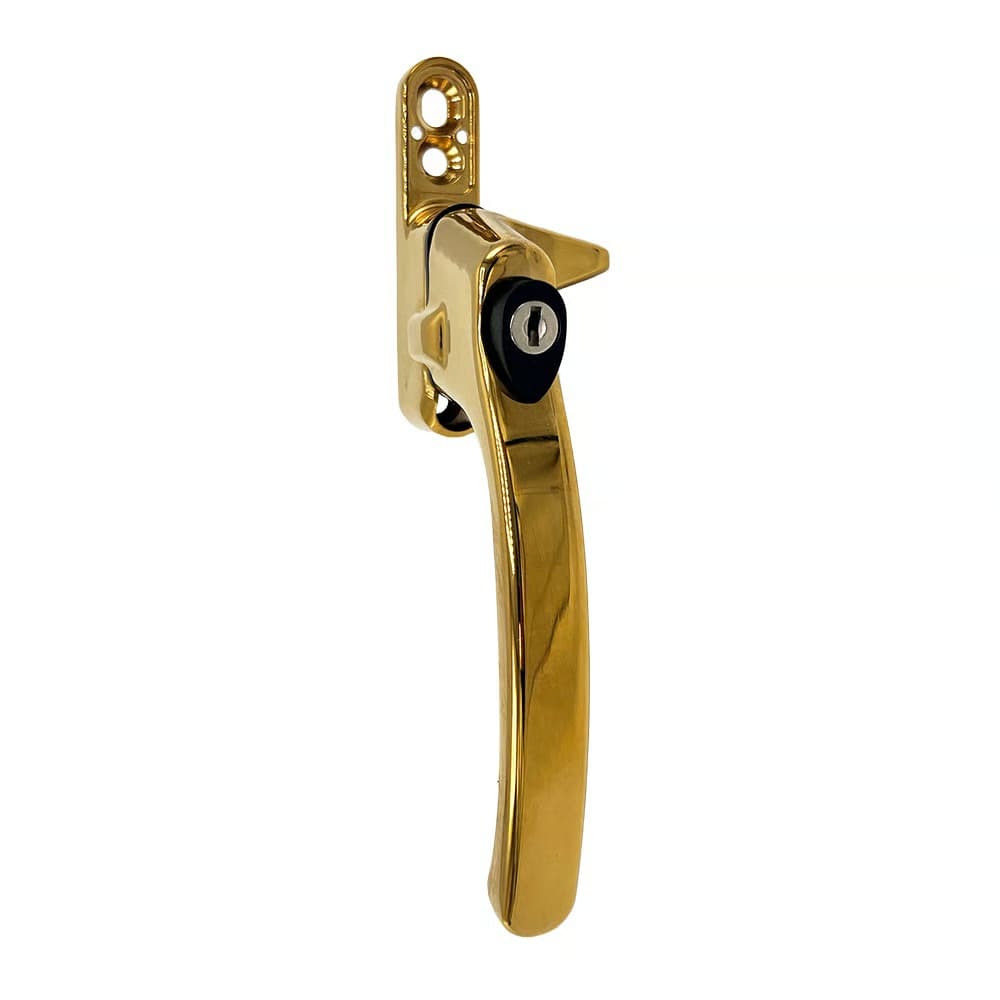
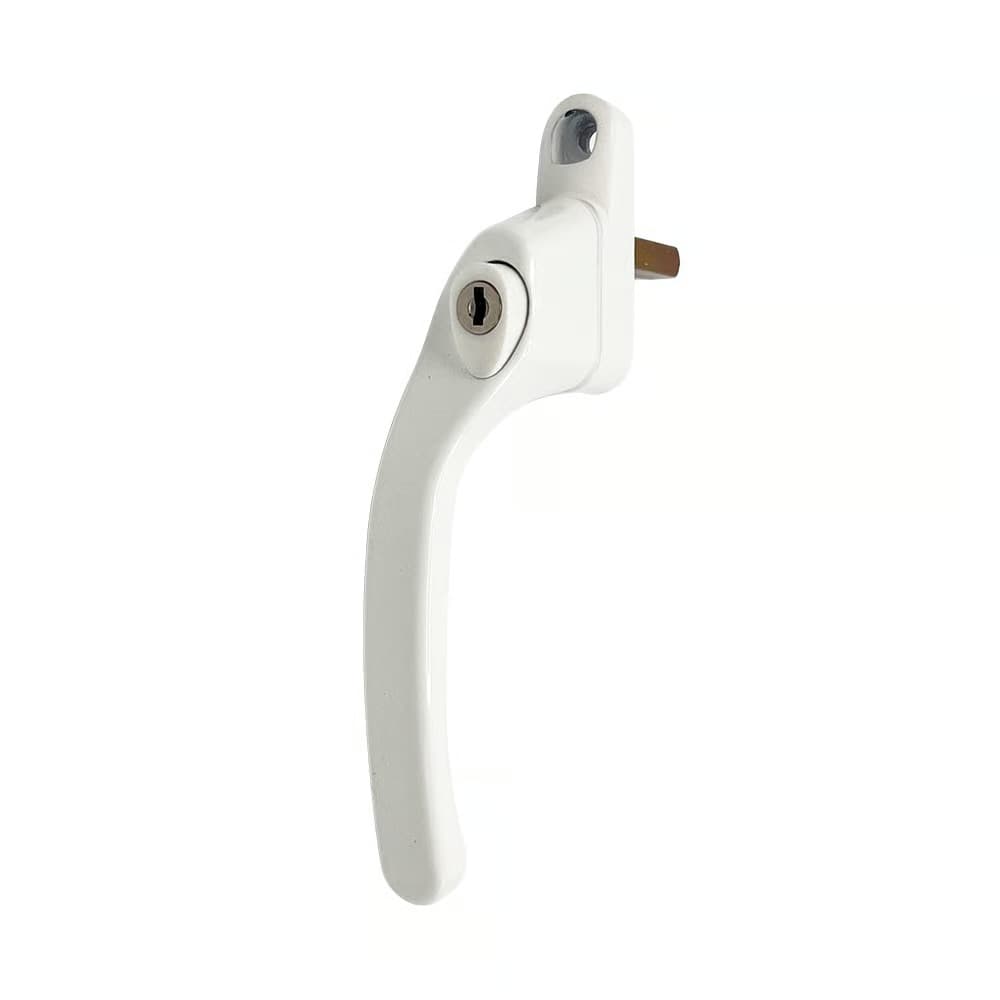
- Cockspur handles: Surface-mounted with a hooked cam that engages with keeps; often used on older or budget windows.
- Standard lever/lockable handles: Single-point locks for simple casements or trickle vents.
Measure carefully before ordering
One of the most common mistakes is buying a handle without confirming critical dimensions. Follow these steps:
- Measure backset: Distance from the edge of the handle rose to the spindle centre. Typical sizes are 22mm, 28mm, 35mm or 40mm but always measure.
- Measure spindle length and type: Spindles are usually 7mm square for many espag handles, but length varies. Remove the old handle and measure the visible spindle from the door/ window face to its tip.
- Note rose dimensions and screw hole centres: Some roses are round, some oval, and screw positions will differ between manufacturers.
- Check handle orientation: Left-hand or right-hand operation matters. Sit facing the window; determine whether the handle needs to be left- or right-handed.
- Photograph the existing set-up: Photo evidence helps confirm orientation, screw layout and any hidden fixings.
Match the locking mechanism and fixings
A handle must engage correctly with the internal locking parts. Common errors include buying an espag handle for a cockspur mechanism or vice versa. Key points:
- Espag handles need a compatible spindle and gearbox position. Confirm the spindle square size and length, and whether a gearbox is present.
- Cockspur handles do not use a spindle but rely on a cam or hook to engage with the keep; ensure the cam direction matches the keep location.
- Confirm screw types and lengths: Double glazing frames can be hollow or reinforced. Short screws risk stripping plaster or only engaging the face, while overly long screws can hit internal reinforcement or hardware.
Avoid common installation mistakes
Installation errors shorten service life and reduce security. Prevent the following issues:
- Over-tightening screws: This can deform the rose or restrict handle movement. Tighten screws until snug, then a small additional turn. Test operation before final torque.
- Misaligned spindle: If the spindle is not perfectly central, handles will bind. Fit the spindle fully and ensure the gearbox engages squarely.
- Not using threadlocker where required: For applications subject to vibration or frequent use, a mild threadlocker (Loctite 243 equivalent) will keep screws secure but still removable.
- Painting over handles or jambs before installation: Allow finishes to cure fully; paint on threads or inside keeps can impede proper locking.
- Neglecting to replace worn keeps: A new handle on a worn keep can lead to poor engagement. Replace keeps or adjust striker positions as needed.
Security considerations and standards
Security is a primary driver for replacement handles. Use lockable handles on ground-floor or accessible windows and specify handles that comply with recognised standards. For espag systems, ensure the handle’s mechanism engages fully with the multi-point lock; a loose or non-engaging handle compromises the whole locking system.
Fit handles with anti-snap or anti-jemmy features where possible. For standard trade practice, use security screws or non-removable fastenings on exposed areas. Keep documentation of the replacement parts used in case insurance requires proof of security improvements.
Maintenance tips for longevity
Regular maintenance extends the life of replacement double glazed window handles and prevents repeat visits:
- Lubricate moving parts annually with a light silicone spray or graphite where appropriate; avoid heavy oils that attract dust.
- Check and tighten screws every 12 months; thermal cycling can loosen fixings.
- Clean with mild detergent; avoid abrasive cleaners that remove protective coatings.
- Inspect seals and keeps when servicing handles to ensure the whole window functions correctly.
When to replace the mechanism or call a professional
Handles are often the visible problem, but worn internal locking gears, cut or rusted spindles, and distorted frames can mean a handle replacement alone is insufficient. If the lock still slips, the window won’t fully engage, or the gearbox is damaged, replace the full espag gearbox or seek professional assistance. Tradespeople should carry common spindle sizes, screw packs and a selection of handles matching local market specs to complete jobs efficiently.
Replacement double glazed window handles are a simple upgrade when the correct type and dimensions are confirmed and proper fitting procedures followed. Avoid the most frequent mistakes—wrong type, incorrect measurements, improper fixings and poor alignment—to ensure a secure, lasting result.