Replacement Double Glazed Window Handles: Common Problems and Fixes
Replacement double glazed window handles are small components that make a big difference to the performance, security and operation of modern windows. Worn...
Replacement double glazed window handles are small components that make a big difference to the performance, security and operation of modern windows. Worn, loose or broken handles not only frustrate daily use but can also compromise locking mechanisms and energy efficiency. This guide explains common problems with replacement double glazed window handles and provides clear, actionable fixes for homeowners and tradespeople.
Common types of double glazed window handles
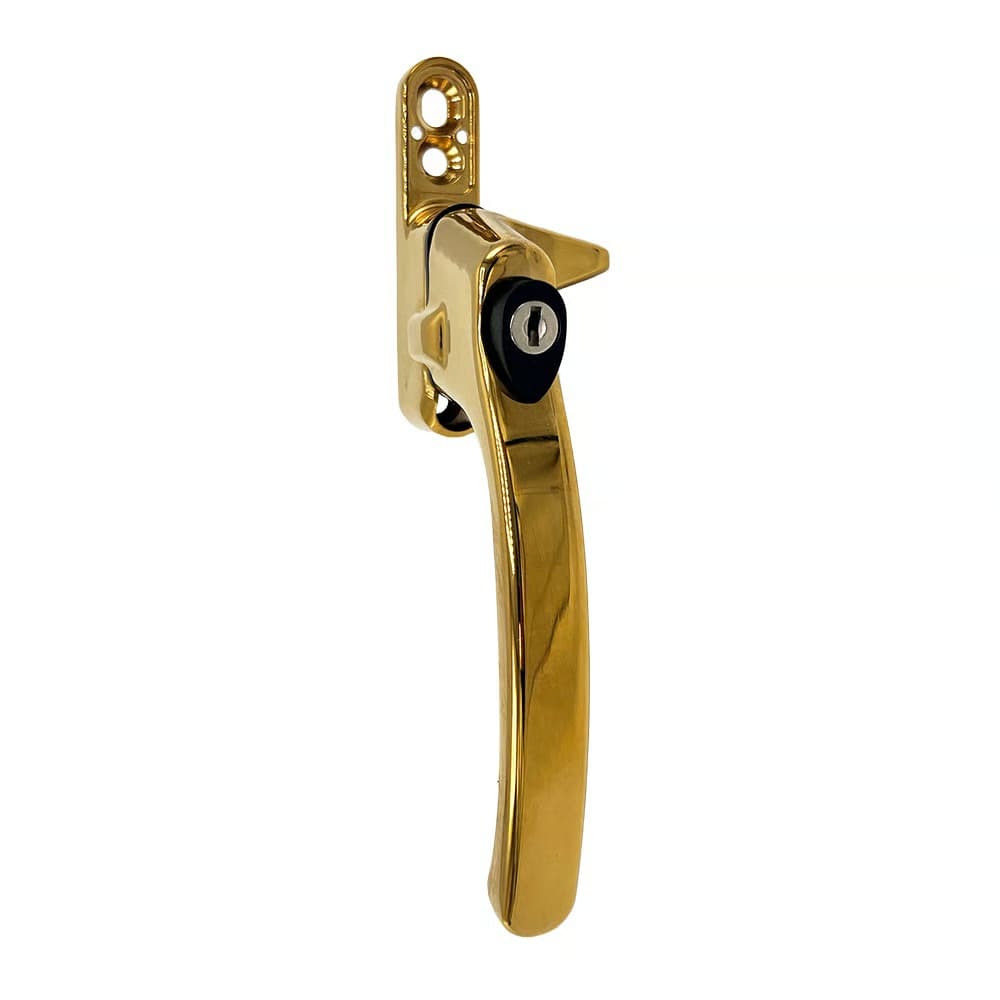
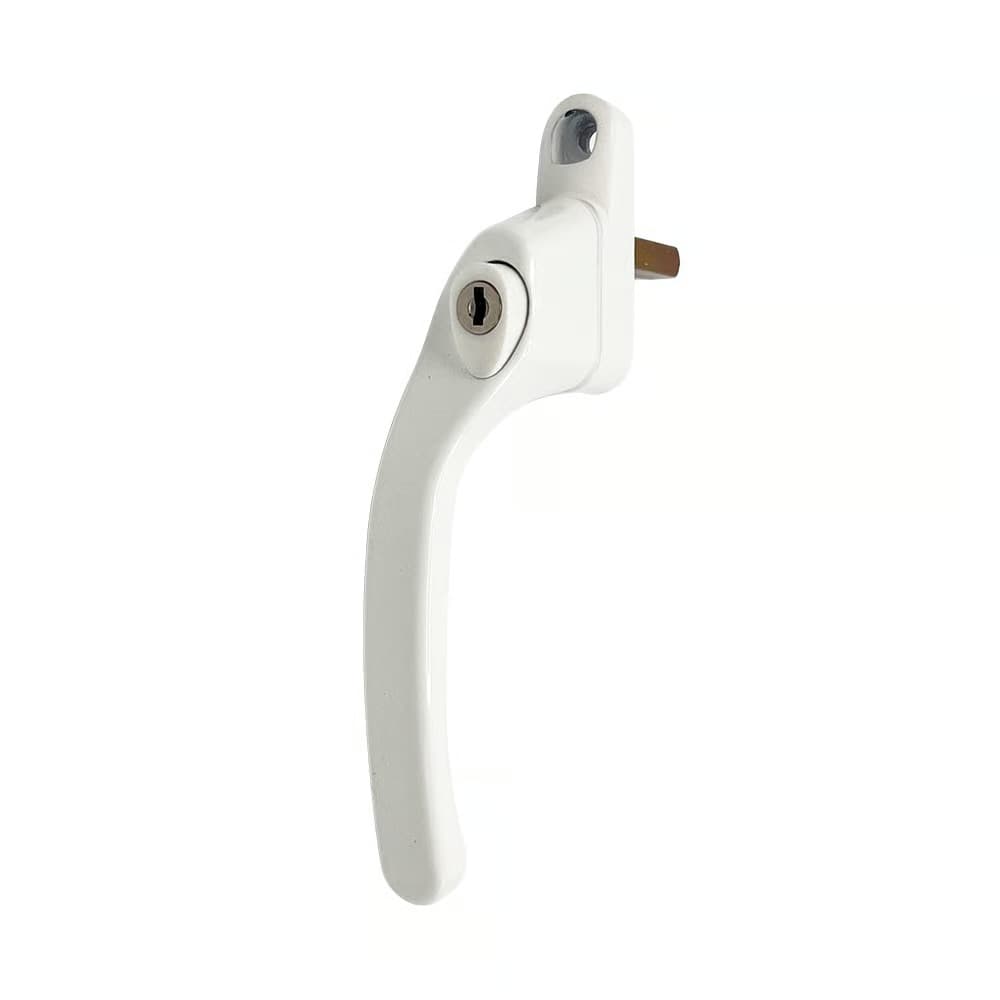
Understanding handle types helps identify compatible replacements quickly. The most common styles for UK windows are espagnolette (espag) handles, cockspur handles and lever or 'cranked' handles fitted to various PVCu and timber frames. Popular models include the TSS Cockspur Window Handles, the TSS Cockspur Window Handle and the TSS Offset UPVC Window Handles. Matching the style ensures correct operation and security.
Problem: Handle is loose or wobbly
Cause
- Fixings or spindle are worn, stripped or incorrectly sized.
- Fixing screws have worked loose through regular use.
- Tighten screws: remove any dust from the screw holes and tighten the faceplate screws with the correct screwdriver. Replace stripped screws with matching length and diameter stainless steel screws to avoid corrosion.
- Check spindle fit: measure the spindle square size and length. Replacement handles must have the same spindle dimensions to engage the mechanism correctly. If the spindle is shorter than the new handle requires, use a longer spindle or select a handle with a shorter backset.
- Replace backplate bushes: some handles use plastic bushes that wear. Replace worn bushes or the entire handle if bushes aren’t available.
- Set of screwdrivers (Pozidriv common on UK handles), spare stainless screws, vernier caliper for measuring spindle.
Problem: Handle turns but window won’t lock or unlock
Cause
- The handle has disengaged from the espagnolette or locking gear.
- The gearbox or gearbox cam inside the handle has sheared.
- Mechanical linkage has seized or failed.
- Inspect linkage: open the frame and observe whether the hook/bolt travel corresponds with handle movement. If there is no movement, the spindle or cam is likely stripped.
- Replace handle gearbox: many replacement handles are supplied with a new gearbox/cam. Ensure the replacement handle specifies compatibility with the existing espagnolette type (e.g. 7mm square spindle common on older PVCu, 8mm on some newer fittings).
- Free seized gear: apply a small amount of light machine oil or silicone spray to the gearbox and moving parts. Operate the handle several times to distribute lubricant, then test locking action.
- Label and photograph the existing handle and locking gear before removal; this simplifies ordering the correct replacement.
Problem: Handle is stiff, hard to move or sticks part way
Cause
- Corrosion, dirt or paint build-up in the mechanism or around hinges.
- Worn locking gear or misaligned keeps.
- Clean and lubricate: remove the handle and clean mating surfaces and the spindle with a cloth and penetrating lubricant. Reassemble and operate the handle to work lubricant into the mechanism.
- Adjust keeps and strike plates: misaligned keeps can make locking points bind. Loosen the keep screws, realign so the bolt engages smoothly, then retighten.
- Replace worn keeps or locking strips (espagnolette gear): if the locking points are heavily worn, replace the locking strip or the entire espagnolette unit.
- Use lubricants approved for window mechanisms; avoid heavy greases that attract grit.
Problem: Handle won’t stay in upright position or drops under its own weight
Cause
- Internal spring or detent in the handle has failed.
- Handle fixing is incorrect or missing tensioning components.
- Replace handle springs or the handle itself: most modern handles have internal springs that are not serviceable; replacing the handle is the simplest and most reliable remedy.
- Verify correct orientation and fitted washers: some handles include tensioning washers or collars—ensure these are present and fitted as per manufacturer guidance.
Problem: Cosmetic wear or colour mismatch
Cause
- Faded or scratched finish due to UV exposure or general wear.
- Wrong material choice for the environment (e.g. non-stainless in coastal locations).
- Replace with matching finish: order handles in the correct finish (white, satin chrome, gold, black) to maintain aesthetics.
- Opt for corrosion-resistant materials: in coastal properties choose stainless steel or corrosion-resistant finishes to extend life and reduce maintenance.
When to replace the locking gear as well
If multiple components show wear—handles, keeps and espagnolette strips—it is more economical and secure to replace the entire locking system rather than individual parts. Tradespeople will find full replacement reduces call-backs and ensures all components share the same tolerances.
Practical replacement checklist
- Confirm handle type and spindle size (measure square width and overall spindle length).
- Check screw positions and backset (distance from handle centre to end of backplate).
- Photograph existing fittings and any part numbers.
- Order the correct replacement handle and any matching keeps or espagnolette strips.
- Have basic tools ready: Pozidriv screwdrivers, pliers, lubricant, and a vernier caliper.
- Test operation and security after replacement and re-adjust keeps if necessary.
Final considerations for security and compliance
Choose handles that meet required security standards for the property. Some handles incorporate secure locking features or require a bolt-through fix for enhanced pull resistance. Tradespeople should consider upgrading to handles designed for high-security espagnolette gear when servicing ground-floor windows or vulnerable openings.
Regular maintenance—periodic cleaning, lubrication and tightening—extends the life of replacement double glazed window handles and preserves window performance. Correct diagnosis, suitable replacement parts and following the simple fixes above will return windows to smooth, secure operation with minimal disruption.