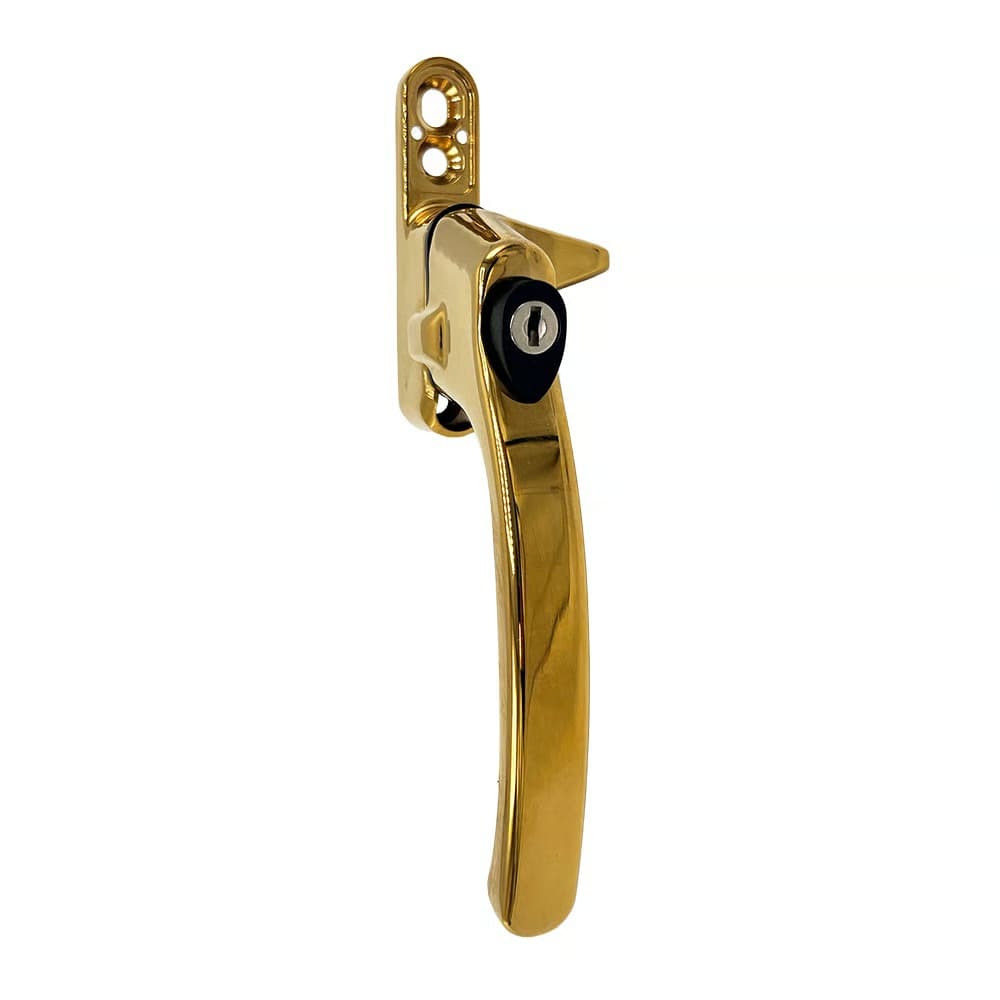
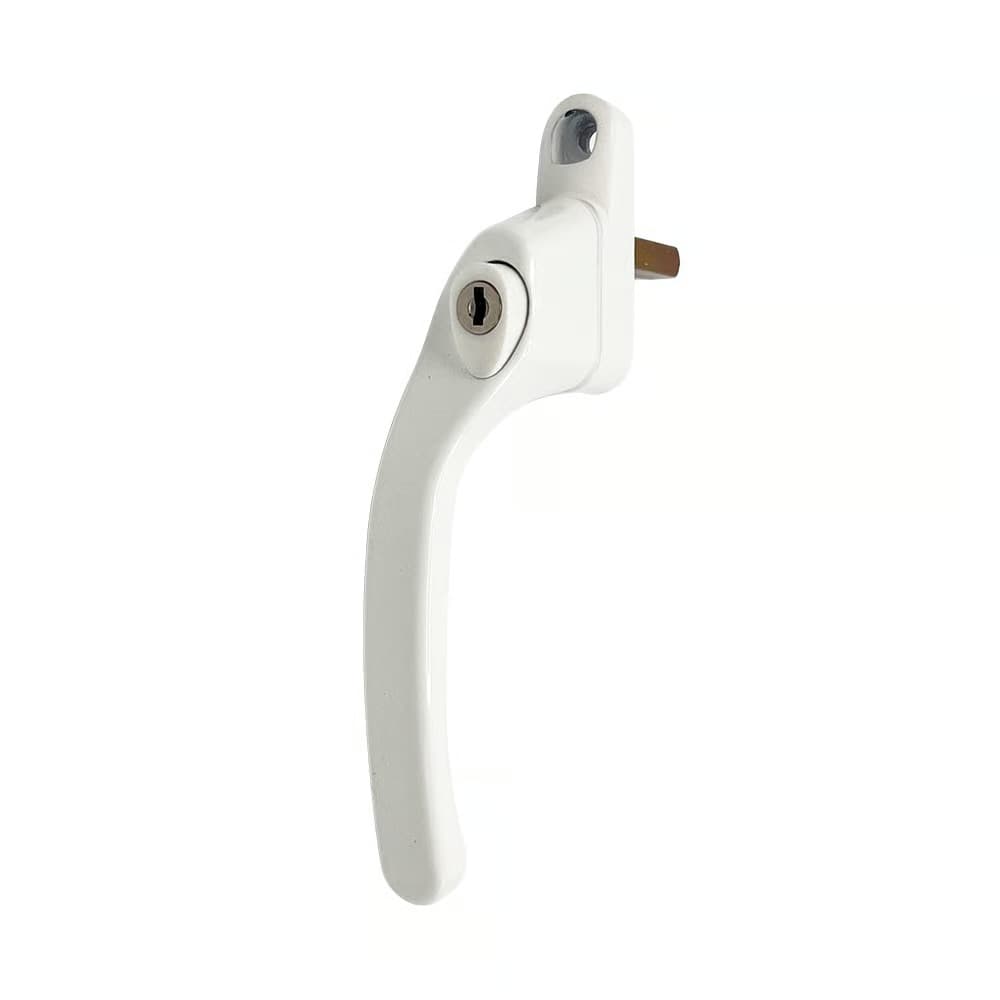
Replacement Double Glazed Window Handles: FAQs
Replacement double glazed window handles are a common maintenance item for homeowners and tradespeople. Worn, loose or non-functioning handles compromise s...
Replacement double glazed window handles are a common maintenance item for homeowners and tradespeople. Worn, loose or non-functioning handles compromise security, ventilation and ease of use. This FAQ-style guide provides clear, practical advice on identifying the right replacement, measuring for fit, selecting secure options, and fitting handles to double glazed windows.
What types of handles suit double glazed windows
There are several common handle types used on double glazed windows:- Espag handles — typically used on uPVC and timber casement windows with an espagnolette locking mechanism. They operate a multi-point lock via a spindle and are available in different backset lengths and spindle sizes.
- Cockspur handles — surface-mounted on the window frame and operate a keep or latch; common on older or budget uPVC windows.
- Cranked and offset handles — used where the handle needs to clear beading or handle furniture positions.
- Sash and tilt-and-turn handles — for vertical sliding or inward-opening windows respectively.
How to identify what to replace
Inspect the existing handle and locking hardware before ordering:- Note the handle type (espag, cockspur, cranked, etc.).
- Measure the spindle size from the centre of the screw fixing to the spindle end if replacing a lever. Standard spindles are often 7mm square, but confirm.
- For espag handles, measure the backset and the screw centre distance (often 43mm or 92mm) to ensure the new handle lines up with the lock case.
- Check whether the handle is handed (left or right) — look from the outside: a handle that swings to the left is left-handed.
- Examine fixing holes and screw types; some modern handles use security screws or anti-tamper fixings.
Security considerations
Handles form part of the overall window security system. Prioritise handles that meet recognised standards and offer features such as:- Anti-snap or reinforced spindles to resist forced rotation.
- Built-in locks or variants designed to accept a key to prevent unauthorised opening.
- Tamper-resistant fixings and screw covers.
Measuring and compatibility checklist
Before ordering replacement double glazed window handles, complete this checklist:- Type: Confirm espag, cockspur, cranked, etc.
- Spindle: Measure square spindle size and length.
- Screw centres: Note distances between fixing holes.
- Handing: Determine left or right-hand orientation.
- Material and finish: Match existing finish (white, chrome, satin, black) to maintain appearance.
- Locking: Decide if a key-locking variant is needed.
Practical fitting tips
Replacing a handle is often straightforward but requires attention to detail:- Tools: Have a cross-head screwdriver, flat driver, tape measure, and if necessary a power driver on low torque.
- Safety: Support the handle during removal to avoid dropping screws into the frame or damaging glass beading.
- Removal: Loosen and remove the visible screws, withdrawing the handle gently. For espag handles, the spindle may slide out once screws are released.
- Clean and inspect: Clean the surfaces and inspect the lock case, keeps and striker plates for wear or damage; replace any degraded components.
- New handle fit: Align spindle squarely, engage the fixing holes and tighten screws evenly. Avoid overtightening which can strip threads or distort the handle.
- Test operation: Cycle the window open and closed, and lock/unlock multiple times. Check that the handle returns to the park position and that the lock engages fully.
When to replace the whole locking mechanism
A replacement handle is a cost-effective fix for cosmetic damage or a failed spindle. Replace the full locking mechanism if:- The espagnolette or shootbolts are bent, corroded, or fail to engage.
- The keeps are loose, cracked or the frame has been damaged by forced entry.
- The window exhibits drafts or poor sealing despite a new handle installed.
Maintenance to prolong handle life
Simple maintenance extends longevity and maintains smooth operation:- Clean moving parts quarterly to remove grit and debris.
- Apply a light lubricant to the spindle and moving parts annually; avoid over-oiling which attracts dirt.
- Tighten screws if they become loose but avoid overtightening.
- Replace rubber seals and brushes when they harden to maintain weatherproofing.
Typical costs and sourcing
Replacement costs vary by type and finish. Basic cockspur handles are low cost, while keyed espag handles with enhanced security features cost more. Purchase from reputable suppliers that list full measurements to avoid incompatible parts and to benefit from guarantees.Replacement double glazed window handles are a routine but vital part of window maintenance. Accurate identification, proper measurement, attention to security features and neat fitting produce a reliable, long-lasting result for both homeowners and tradespeople. For further detailed guidance on choosing and fitting window handles, consult the comprehensive Window Handles Guide