Replacement Double Glazed Window Handles: Handing Explained
Replacement double glazed window handles are a common and straightforward maintenance task for homeowners and tradespeople. Understanding handing — the ori...
Replacement double glazed window handles are a common and straightforward maintenance task for homeowners and tradespeople. Understanding handing — the orientation and locking position of a handle — ensures the correct replacement part is ordered and fitted first time. This guide explains how to identify handing, choose the right replacement double glazed window handles, and fit them safely with practical, actionable tips.
What "handing" means for window handles
Handing describes the side of the window that the handle operates from and the direction it moves to lock or unlock. For casement and tilt-and-turn windows this includes right-hand and left-hand configurations, as well as whether the handle is on the inside or outside (internally fitted handles are the norm on residential windows). For espagnolette and multi-point locking systems, handing also relates to the orientation of the locking mechanism and spindle alignment.
Correct handing is critical because many replacement handles are handed items — fit the wrong one and the handle may operate backwards, the locking mechanism may not line up with the keep, or the aesthetics will look incorrect.
Identifying the handing of common handle types
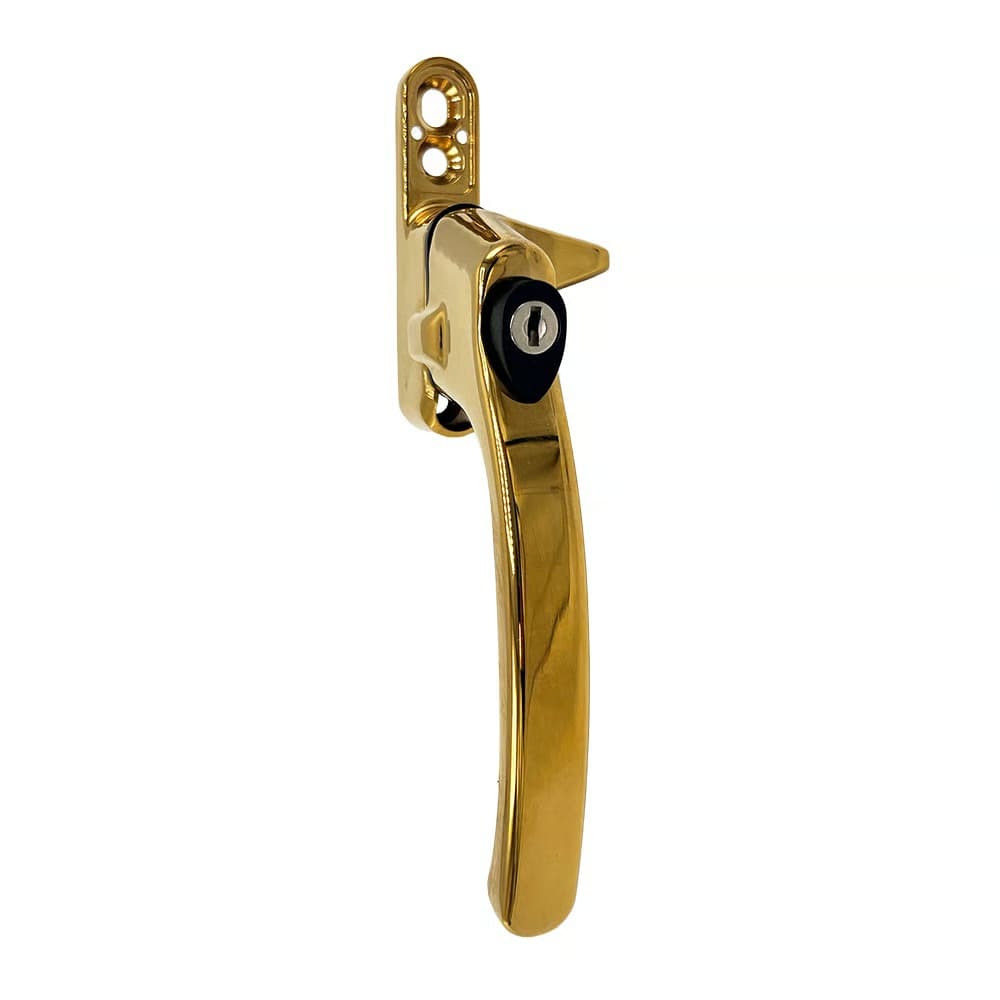
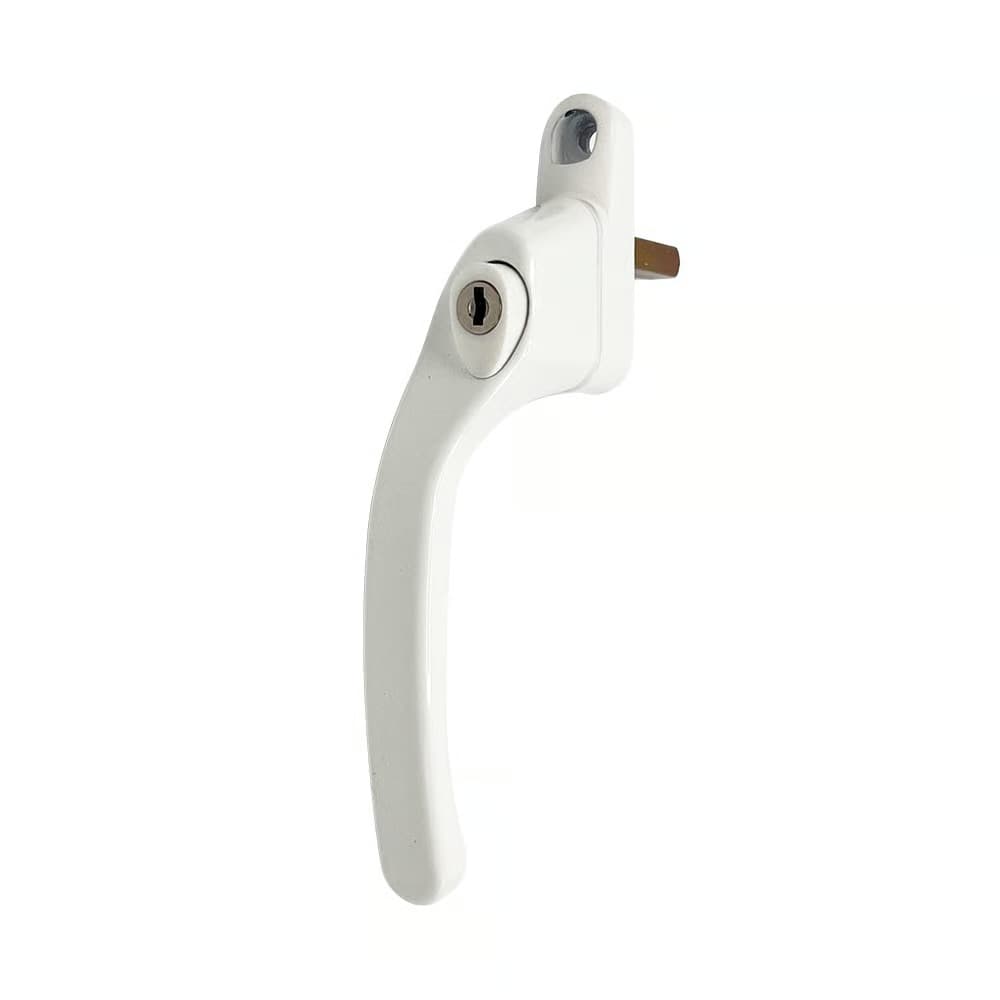
- Casement/espag (espagnolette) handles: Stand inside the property and note which side the hinge is on and which way the handle turns to lock. If the hinges are on the right and the handle is on the left, this is a right-hand opening window (often described as RH). Espag handles commonly fit into a locking strip; the spindle and screw positions determine compatibility. A common replacement option is the TSS Cockspur Window Handles, available in different handed versions and finishes.
- Cockspur handles: These surface-mounted handles clamp onto the window frame and are generally not handed in the same way as espag handles. The main measurement is the projection and baseplate screw spacing. The TSS Cockspur Window Handle is a standard replacement for older uPVC and metal-framed windows.
- Tilt-and-turn and multipoint handles: These typically have a square spindle and are handed according to the direction the handle operates when in the closed position. Many tilt-and-turn handles will be reversible but others need a specific handed version. The TSS Offset UPVC Window Handles suits a range of applications and is often chosen for multi-point systems.
Measuring and noting key dimensions
Accurate measurements remove guesswork when ordering replacement double glazed window handles. The essential dimensions and details to record are:
- Backset/spindle length: Measure from the centre of the fixing screw to the end of the spindle or the centre of the handle shaft. Many modern handles use standard 7mm or 8mm square spindles; confirm the spindle shape and size.
- Screw centres: Measure the distance between the two fixing screws on the baseplate (centre-to-centre). Common patterns include 43mm and 32mm for cockspur bases.
- Spindle type and length: Check whether the spindle is square or hexagonal and its length. A too-short spindle will not engage the gearbox; a too-long spindle can prevent the handle from closing properly.
- Locking orientation: Note whether the handle points up, down, inwards or outwards when locked. Photograph the existing handle in its locked and unlocked positions for reference.
- Keep and striker plate positions: Ensure the replacement handle’s lock engages correctly with the keep. Misalignment can often be resolved by adjusting keeps, but large differences indicate a wrong-handed or incompatible handle.
Selecting the correct replacement
Choose a handle that matches the measured dimensions, spindle type and decorative finish. For tradespeople carrying stock, stocking left- and right-handed versions covers most on-site needs. Consider the following practical points:
- Finish and durability: Choose corrosion-resistant finishes (durable powder-coating or electroplated metal) for coastal or high-humidity locations.
- Security features: Anti-snap and reinforced handles with grub screws or torque-resistant fixings reduce forced entry risk, particularly for ground-floor windows.
- Ease of retrofit: Cockspur handles are quick to replace for older windows; espag and multipoint handles require matching to the locking strip profile.
- Locking: If a keyed handle is preferred for extra security, ensure the barrel type and key code can be matched or replaced without altering the sash.
Fitting replacement handles — step-by-step
Follow safe working practices: use suitable screwdrivers, avoid overtightening fixings, and work from a stable ladder or platform when fitting to upper-floor windows. Basic fitting steps:
1. Remove the old handle: Open the window and locate the fixing screws. For some handles the cover plate snaps off to reveal screws. Keep fittings for reference.
2. Check the spindle: If the old spindle is corroded or damaged, source a matching length replacement or trim a new one carefully with a hacksaw and file the cut smooth.
3. Align the new handle: Fit the replacement handle onto the spindle and align screw holes with existing holes. If screw centres differ, upgrade to slightly longer screws and, if necessary, fill and re-drill pilot holes to avoid splitting the frame.
4. Secure loosely first: Tighten screws lightly, test the handle operation through its full travel to confirm smooth engagement. Adjust then fully tighten to avoid distorting the baseplate.
5. Test locks and keeps: Close the window and operate the handle to full lock. If the latch does not engage smoothly, adjust keeps slightly or use shims where appropriate.
6. Final check: Ensure no binding occurs at any point; lubricate moving parts with a silicone-based spray (avoid oily lubricants that attract dust).
Troubleshooting common problems
- Handle feels loose after fitting: Check spindle length and grub screws; replace stripped thread fixings and secure with threadlocker if necessary.
- Handle turns without operating the lock: Likely a mismatched spindle or worn gearbox; replacing the handle and spindle generally resolves this.
- Handle difficult to operate: Clean and lubricate the espag strip, adjust keeps, or replace worn locking cams.
For further reading on styles, measurements and security features, consult the comprehensive resource: Window Handles Guide.