Replacement Double Glazed Window Handles: Matching Screw Centres
Replacement double glazed window handles are a common upkeep task for homeowners and tradespeople. Replacing a faulty or outdated handle restores functiona...
Replacement double glazed window handles are a common upkeep task for homeowners and tradespeople. Replacing a faulty or outdated handle restores functionality, security and appearance, but success depends on choosing the correct type and, critically, matching the screw centres. This guide explains measurement, compatibility, and practical fitting tips to make replacements straightforward and cost-effective.
Why screw centres matter
Screw centres describe the distance between the fixing holes on a window handle, usually measured from the centre of one screw hole to the centre of the other. For espag (espagnolette) and casement handles, common centres are 38mm, 43mm and 45mm, but other sizes exist. Correct screw-centre alignment means the new handle will sit flush against the frame and the holes will line up with existing drillings, avoiding unnecessary drilling, timber repair or compromising the window’s finish.
Matching screw centres also ensures that the handle’s spindle and gearbox align correctly with the window lock or espagnolette mechanism. A misaligned handle can cause binding, poor locking action or premature wear.
Identifying the handle type before measuring
Different handle styles use different fixings and spindles. The main types encountered on double glazed windows are:
- Espag (espagnolette) handles: rectangular backplate with two screws and a square spindle; commonly used on tilt-and-turn and casement windows.
- Cockspur handles: surface-mounted with screws that fix directly to the frame; often used on older aluminium or uPVC windows.
- Lever handles with multi-point fixings: require matching the internal gearbox and spindle length.
How to measure screw centres accurately
1. Remove the old handle if possible. If removal is not an option, measure between the visible screw heads. 2. Use a steel ruler or digital calipers for accuracy. Measure from the centre of one screw hole to the centre of the other — not from edge to edge. 3. Record the measurement in millimetres; this is the industry standard. 4. Also note the spindle size (usually 7mm square for many uPVC handles) and spindle projection (how far the spindle sticks out). Spindle length affects reach into the gearbox. 5. Photograph the handle and surrounding area, including any markings on the backplate or stock numbers; images help confirm compatibility when ordering.
Tradespeople should keep a small template or gauge indicating common centres to speed up on-site checks.
Matching the replacement handle: beyond screw centres
Screw centres are necessary but not sufficient. The following should also be checked:
- Spindle type and size: square spindles are most common; oval or proprietary spindles need matched replacements.
- Backplate width and projection: ensure the new backplate covers existing holes or will not interfere with trim.
- Locking function and follower position: espag handles have a follower (slot that engages the gearbox). The follower orientation must match the gearbox.
- Security specification: upgraded handles may offer 3 star or 2 star security ratings. Consider higher-rated handles when improving security.
- Handing: whether the handle is left- or right-handed for ergonomic fit and to match the window’s opening direction.
Practical fitting steps
1. Prepare the workspace: clear the area, support the sash to prevent sagging and have silicone or filler ready for tidy repairs. 2. Remove the old handle: back out screws fully, hold the handle steady and withdraw the spindle gently to avoid damage to the gearbox. 3. Test alignment: hold the new handle in position and check that the screw centres line up with the existing holes and that the spindle sits centrally in the gearbox. 4. If holes do not match exactly: Line up the handle and mark new holes. Use a centre punch then drill pilot holes before inserting screws. For uPVC, use a low-speed drill and avoid cracking the frame. 5. Fit screws: do not overtighten; tighten until snug and the handle sits flat. Over-tightening can compress uPVC and distort screw threads. 6. Check operation: rotate through the full lock and open cycle several times to ensure smooth action, then apply a light lubricant to the spindle and gearbox as needed. 7. Finishing: if new fixing holes are required and aesthetics are a concern, use a matching coloured filler or cap any visible holes.
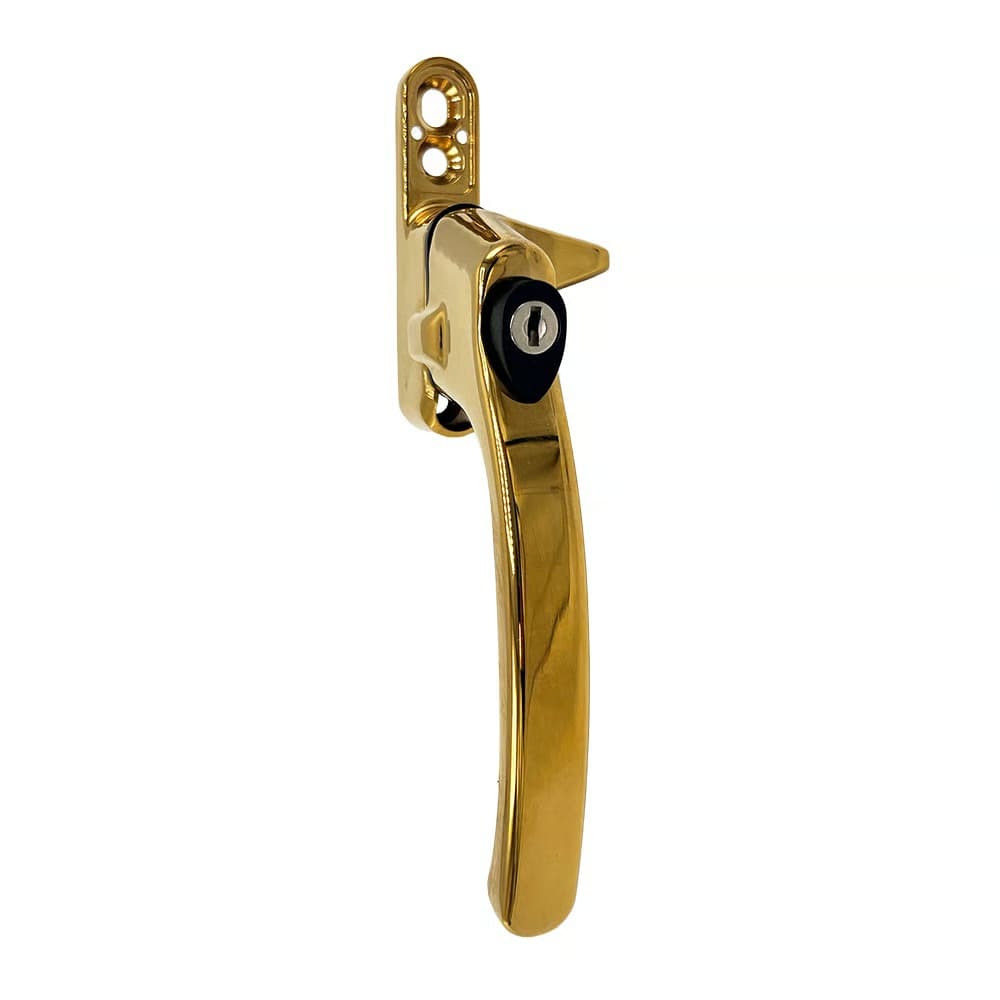
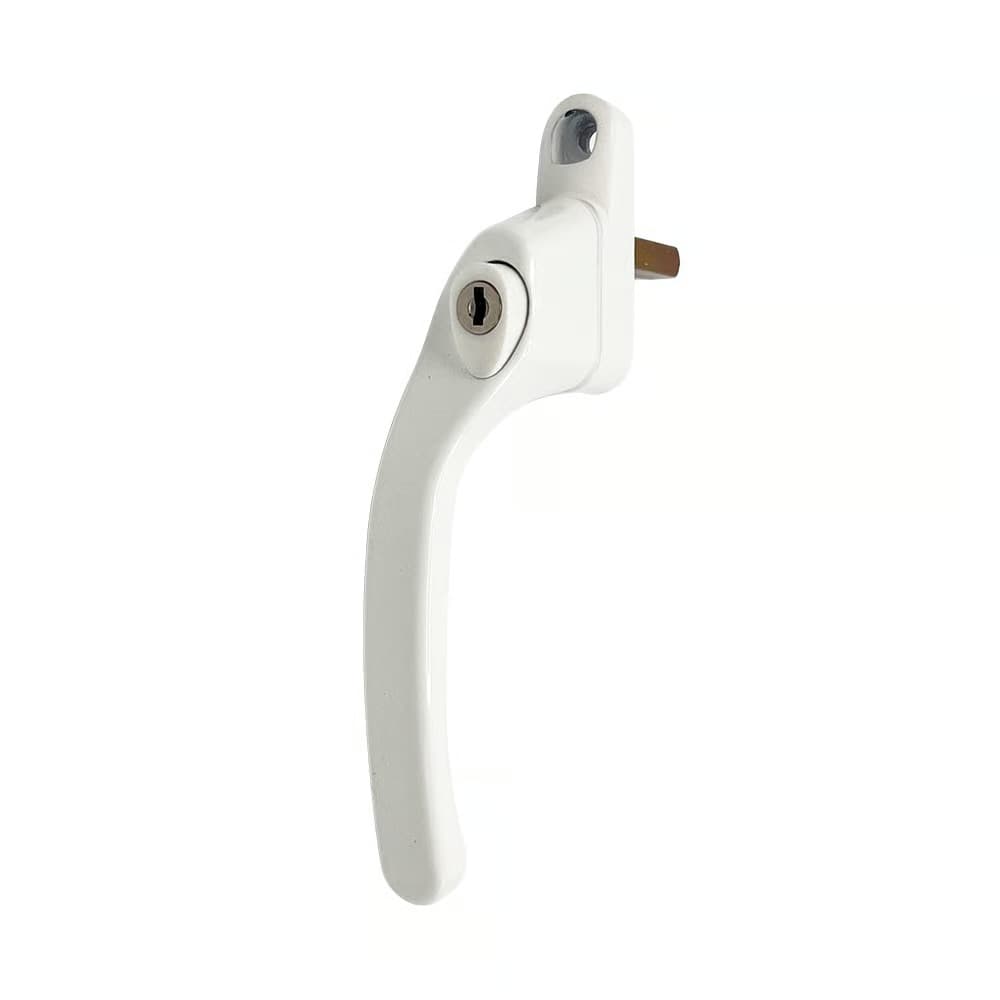
For cockspur replacements on older frames, the TSS Cockspur Window Handle is a reliable option that matches traditional screw patterns and offers straightforward surface fixing.
When existing holes cannot be used
Sometimes older frames have multiple sets of holes or the new handle’s backplate does not cover old holes. Options include:
- Filling redundant holes with a uPVC repair filler or wooden plugs in timber frames, sand smooth and touch up with paint.
- Using a backplate spacer kit to cover previous fixings, ensuring weather seal remains intact.
- Installing a handle with a larger backplate that covers all older holes — verify the new backplate dimensions before order.
Security and compliance considerations
Replacement handles should maintain or improve existing security standards. When replacing a handle on a ground-floor or accessible window, opt for handles with at least a 2 star security rating or those tested to BS EN standards where appropriate. Ensure that replacement handles lock securely and that the espagnolette mechanism engages fully. For rental properties or listed buildings, confirm any regulatory requirements before modifying fittings.
Summary
Selecting replacement double glazed window handles requires accurate measurement of screw centres plus attention to spindle type, backplate dimensions and security level. Measuring correctly, matching the handle type and following careful fitting steps avoids unnecessary drilling and ensures smooth operation and a professional finish. For common handle types and reliable replacements, standard options from reputable suppliers are available to suit most screw centres and security needs.