Replacement Double Glazed Window Handles: What to Measure First
Replacement double glazed window handles are a small component with outsized impact on security, functionality and appearance. Before ordering replacements...
Replacement double glazed window handles are a small component with outsized impact on security, functionality and appearance. Before ordering replacements, accurate measuring prevents delays, incorrect parts and wasted time on returns. This guide sets out practical steps for homeowners and tradespeople to measure handles correctly, identify the common types and pick compatible replacements that restore performance and security.
Identify the handle type first
Knowing the handle type narrows down the measurements required. Common types for double glazed windows include espagnolette (espag) handles, cockspur handles and multi-point locking handles with sash-specific spindles. Each has distinctive fixing patterns and measurement priorities.
- Espag handles are used on casement windows and operate a metal espagnolette rod inside the frame. A typical example is the TSS Cockspur Window Handles.
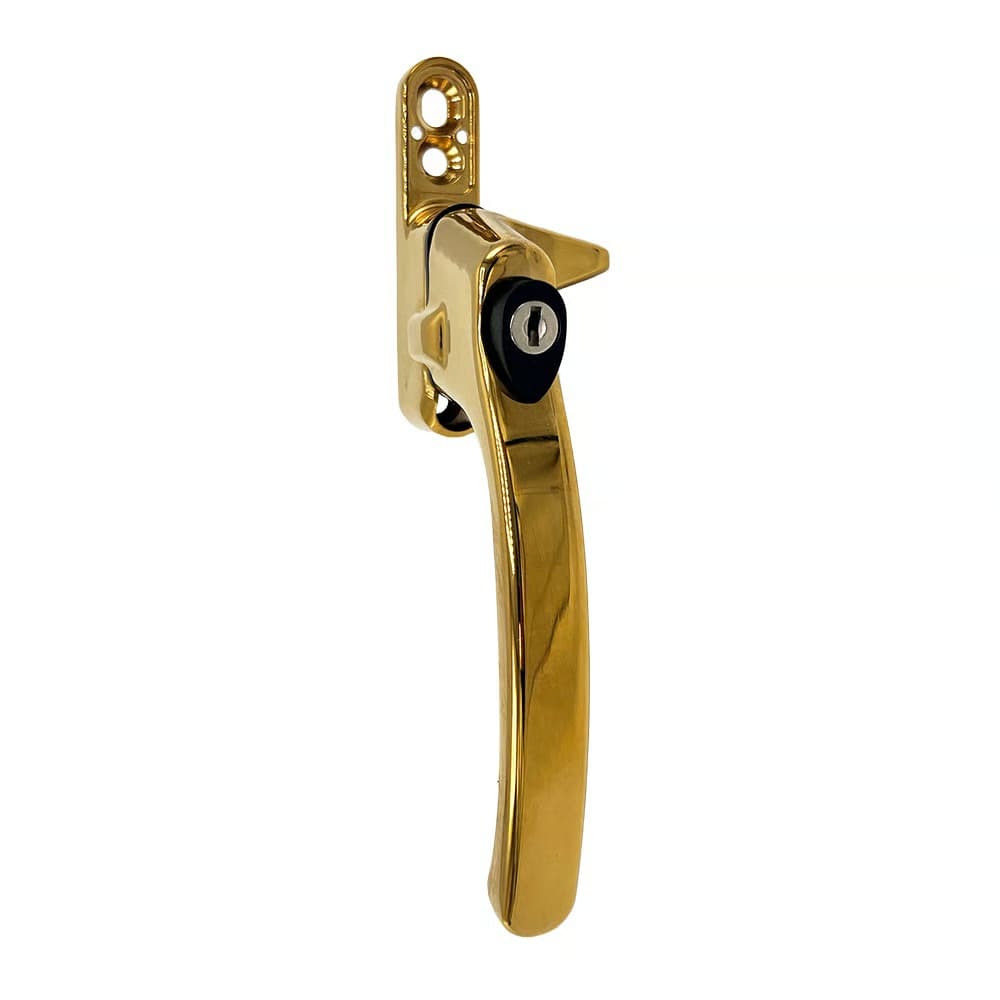
- Cockspur handles clamp onto the edge of the window and are suited to older or simple casement windows; an example is the TSS Cockspur Window Handle.
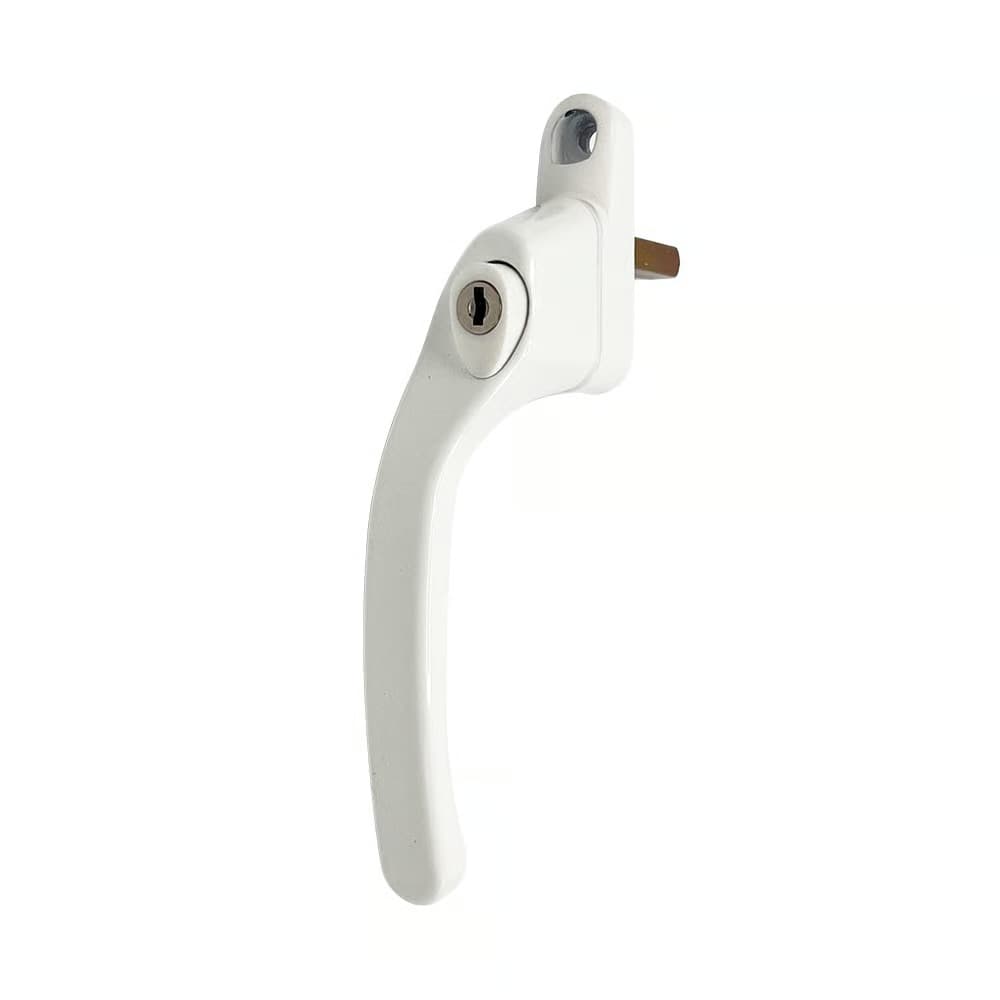
- Traditional gearbox or spindle-operated handles such as the TSS Offset UPVC Window Handles work with a square spindle engaging the locking mechanism.
Tools needed for accurate measuring
Gather a metric ruler or tape measure, a vernier caliper for fine dimensions if available, masking tape, and a pencil. A camera or smartphone is useful for photographing the existing handle and the lock faceplate—these images assist in matching parts when ordering.
Measure the fixing centres and spindle
Two measurements are almost always required:
- Fixing centres (also called screw centres): Measure the distance between the centres of the two fixing screws on the handle backplate. Record to the nearest millimetre. Many replacement handles use common centre spacings such as 43 mm or 90 mm, but exact measurement avoids mistakes.
- Spindle length and type: Remove the handle if possible and measure the length of the square spindle that projects from the window frame to the end of the handle shaft. Note the spindle size (commonly 7 mm or 8 mm in the UK) and whether it is a through-spindle, split spindle, or has shoulders. For locking handles check whether the spindle is offset or flush with the backplate.
Measure backset and handle projection
Backset is the distance from the edge of the handle backplate to the centre of the spindle or the keyhole. Accurate backset ensures the new handle aligns with the existing keeps and locking mechanism.
Handle projection — how far the handle protrudes when upright — matters for clearance with curtains or adjacent windows. Measure with the handle at rest and in the operated position to ensure no interference.
Check for reversing and handedness
Some handles are reversible; others are handed (left or right). Determine handle handedness by viewing the window from the inside: if the hinge is on the left, the handle is typically on the right and vice versa. Confirm whether the replacement handle specifies reversible or left/right orientation.
Rhetorically, would a handle fitted the wrong way still operate correctly? In most cases, handed handles will either not fit or will operate with the handle awkwardly positioned, so matching handedness saves time.
Note lock types and additional features
Different handles work with different locking systems. Note whether the handle operates a multi-point espagnolette system, a gearbox with hooks/rollers, or a simple latch. Additional features to record:
- Keyed lock: If the handle locks with a key, note the key direction (clockwise/anticlockwise) and whether the key is removable in the locked position only.
- Push-button or snib: Some handles have push-button locking or a snib position for ventilation.
- Material and finish: Record finish (white, brown, chrome, satin) and whether a stainless or powder-coated material is required for coastal locations.
Removing the old handle safely
Before measuring fully, remove the handle carefully:
1. Unlock and return the handle to the neutral position. 2. Unscrew the fixing screws, keeping them in a small container. 3. Gently pull the handle away; inspect for grub screws or concealed fixings. 4. If the handle is stuck, apply penetrating oil at the boss and let it sit to avoid damage.
Safety note: For uPVC windows, ensure the handle is supported when removing to prevent the spindle falling into the frame.
Matching the replacement and ordering
Use the measurements and photographs to match a replacement handle. Many handles are described by their fixing centres, spindle size, backset and handedness. When buying, ensure the product listing confirms compatibility with espagnolette rods, cockspur mechanisms or square spindles as required.
Examples of commonly used replacements are shown earlier and cover espag, cockspur and classic spindle-handles. Select a finish to match existing décor and consider keyed variants for enhanced security.
Fitting the replacement handle
Fitting follows the reverse of removal:
1. Slide the new handle onto the spindle, aligning the spindle and any locating pins. 2. Check operation before tightening fixings to ensure smooth movement and correct engagement with the lock. 3. Tighten screws evenly to avoid twisting the backplate. 4. Test lock/unlock cycles and check that keeps and strikes align; adjust keeps if necessary.
Practical tip: Use a small dab of silicon grease on the spindle for smoother operation; avoid oily lubricants that attract dirt.
Final checks and maintenance
After fitting, carry out these checks:
- Lock and unlock several times to ensure smooth action.
- Check security by attempting to lift the sash (for window locks that resist lift).
- Inspect for any gaps between backplate and frame that could admit moisture.
Summary
Accurate measurements—fixing centres, spindle size/length, backset and handedness—are the keystone to ordering the right replacement double glazed window handles. Photos of the existing mechanism and careful removal reduce risk. Matching the handle type to the locking system ensures compatibility and restores security quickly and efficiently.