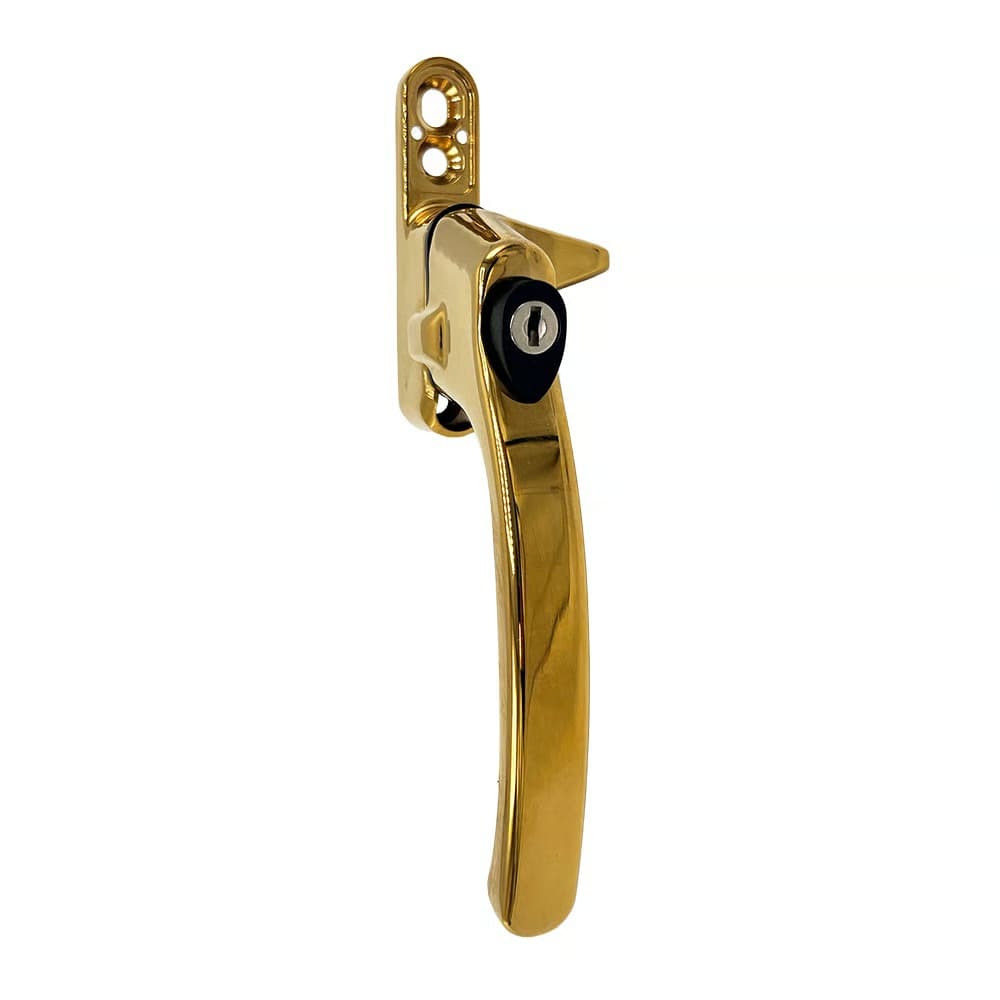
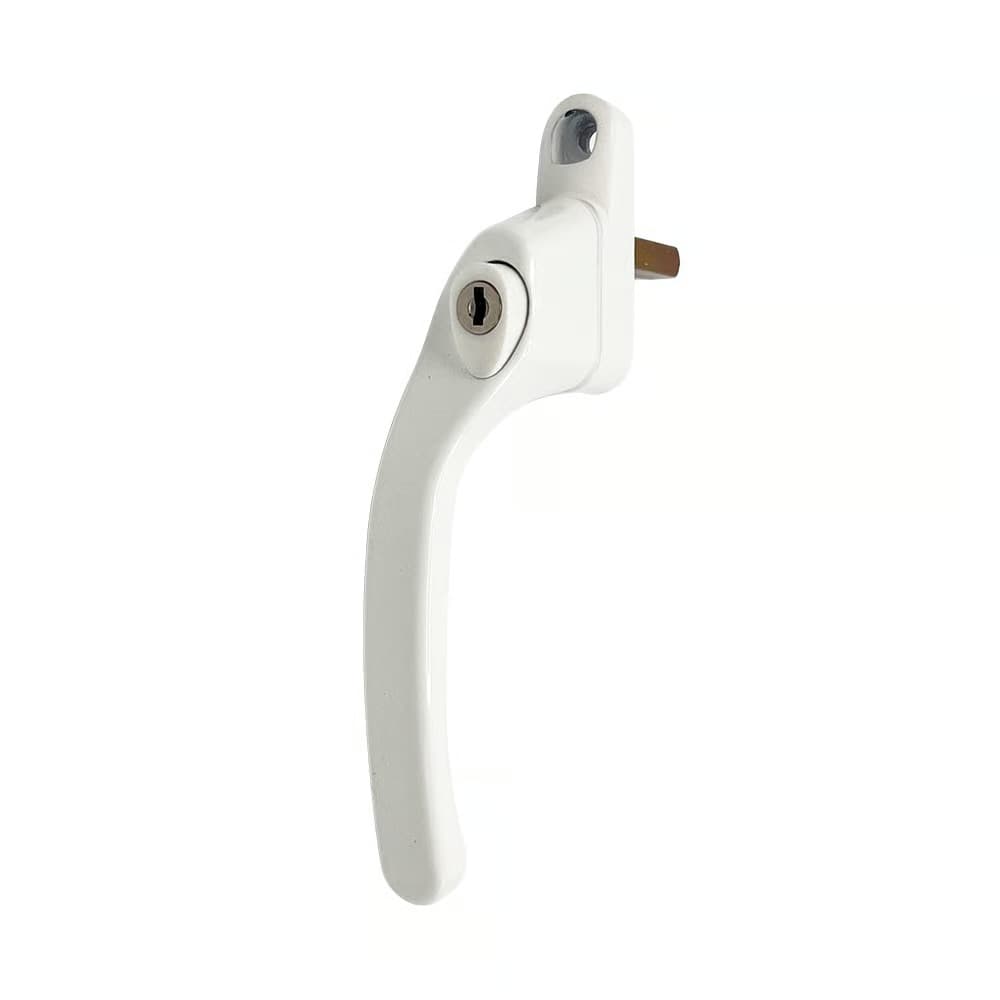
Replacement Double Glazed Window Handles: White vs Black Finishes
Choosing the right finish for replacement double glazed window handles affects both aesthetics and functionality. White and black finishes are the two most...
Choosing the right finish for replacement double glazed window handles affects both aesthetics and functionality. White and black finishes are the two most common choices for modern homes and trade projects, each with distinct advantages depending on window style, room use, and maintenance expectations. This article explains practical considerations for selecting white versus black replacement double glazed window handles, covering material, durability, installation tips and matching hardware for a cohesive look.
Finish and visual impact
White handles offer a clean, classic appearance that blends seamlessly with white or light-coloured PVCu frames. They are discreet and keep attention on the window itself rather than the furniture, making them ideal for minimalist or traditional interiors. White finishes are particularly suited to rooms where a subtle look is preferred, such as bedrooms, bathrooms and kitchens with white cabinetry.
Black handles create a strong contrast and contemporary feel. They work well with darker frames or mixed-material windows (aluminium and PVCu), and are increasingly popular in renovation projects aiming for a modern industrial or Scandinavian aesthetic. A black handle can act as a deliberate design statement, tying in with other black fixtures like door furniture, light fittings or kitchen hardware.
Practical durability and wear
Durability depends more on the material and finish quality than the colour itself. Powder-coated black handles and white PVC-coated handles both offer good resistance to chipping and corrosion, but performance varies by manufacturer.
- Powder-coated metal finishes typically resist scratching and UV fading better than plain painted finishes.
- White handles manufactured from UV-stable polymers retain their colour well and are less likely to yellow over time if they meet industry standards.
Compatibility with window types and hardware
Replacement double glazed window handles must match the locking mechanism and spindle size. Common handle types include espagnolette (espag), cockspur and tilt-and-turn styles. Replacing a handle involves checking:
- Backset and spindle length
- Fixing centre measurements
- Orientation (left or right handing)
Maintenance and cleaning
White and black finishes have differing maintenance expectations:
- White handles: Fingerprints and light scuffs are less visible, but certain cleaning agents can cause yellowing on inferior plastic finishes. Use a mild detergent and a soft cloth. Avoid abrasive cleaners that can dull the finish.
- Black handles: Show dust and scale more readily but resist visible staining. For matt black finishes, gentle cleaning prevents shiny spots from over-polishing. For gloss black, be mindful of fine scratches.
Security considerations
Finish choice does not determine security; engineering and lock mechanics do. Choose handles that meet relevant British standards and include robust locking cylinders for windows in vulnerable positions. Key-locking handles can provide added security for ground-floor windows, while non-locking handles suffice for high-level windows or internal rooms.
When upgrading, match the handle’s locking type to the espag or multipoint system rather than simply the colour. A secure metal handle with a quality cylinder is preferable to a matching-colour handle of inferior construction.
Practical installation tips for tradespeople and DIY-savvy homeowners
- Measure twice: Confirm spindle size, backset and fixing hole centres before ordering replacements to avoid delays.
- Remove old handles carefully: Unscrew fixings, note the orientation and examine the spindle for wear. If the spindle is bent or corroded, replace it.
- Use the correct torque: Over-tightening can crack polymer backplates or deform fixings; under-tightening allows movement and wear.
- Seal around exterior fixings: For externally fitted handles, use a small bead of neutral-cure silicone to prevent water ingress around screw heads.
- Test operation thoroughly: Cycle the lock several times and check that the handle engages smoothly with the locking mechanism.
Matching handles to wider hardware and décor
Coordinate handle finish with hinges, letterplates and door furniture. For a cohesive scheme, use the same finish across visible hardware. Black handles pair well with black hinges and door knockers, whereas white handles harmonise with chrome or white fixtures in traditional interiors. Consider the window frame colour too — a contrasting handle on a coloured frame can accentuate frame lines and architectural detail.
When to replace rather than repair
Replace handles when there is visible corrosion, frequent binding or when the locking mechanism is compromised. Replacement is often more cost-effective than ongoing repairs if operation is sticky or the handle wobbles. For heritage timber windows, where original fixtures are required, source period-appropriate hardware or higher-spec reproductions to preserve appearance while upgrading security.
Replacement double glazed window handles should be chosen based on functional requirements first, then aesthetic preference. White offers subtlety and cohesion with classic frames; black provides contrast and contemporary flair. Prioritise compatibility, material quality and security features to ensure new handles perform well for years.