Replacement Double Glazing Window Handles: Matching Your Handle Type
Replacement handles are a small but essential component of a well-functioning double glazed window. Correctly matching the replacement double glazing windo...
Replacement handles are a small but essential component of a well-functioning double glazed window. Correctly matching the replacement double glazing window handles to the existing hardware prevents drafts, improves security and ensures smooth operation for years. This guide explains how to identify handle types, measure for replacements, match finishes and security features, and choose the right option for homeowners and tradespeople tackling repairs or upgrades.
Identify the handle type
Understanding which handle type is fitted to a window is the first practical step. Common types for double glazing include espagnolette (espag) handles, cockspur handles and tilt-and-turn or centre-lock handles. Each type engages the locking mechanism differently and requires a matching spindle and fixing pattern.
- Espag handles connect to an internal espagnolette locking mechanism via a square spindle and sometimes via an M6 threaded rod. These are the most common on modern uPVC windows.
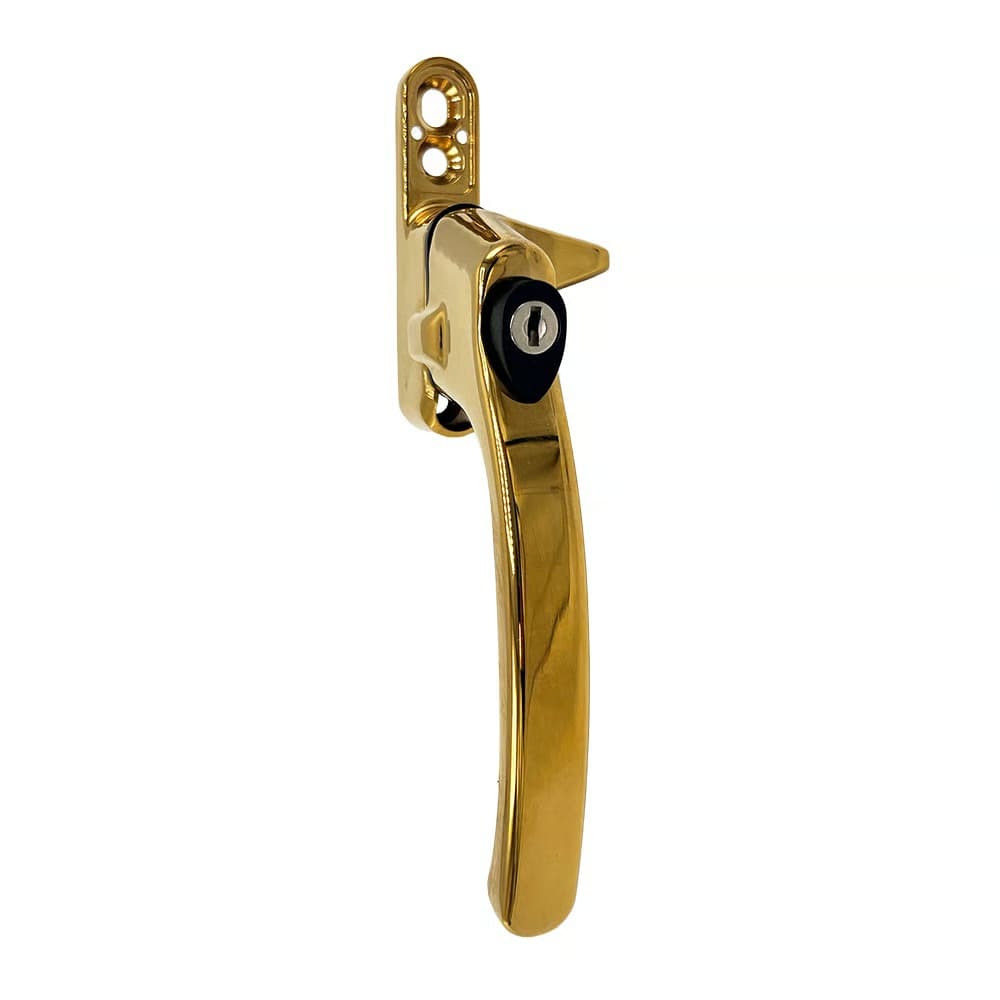
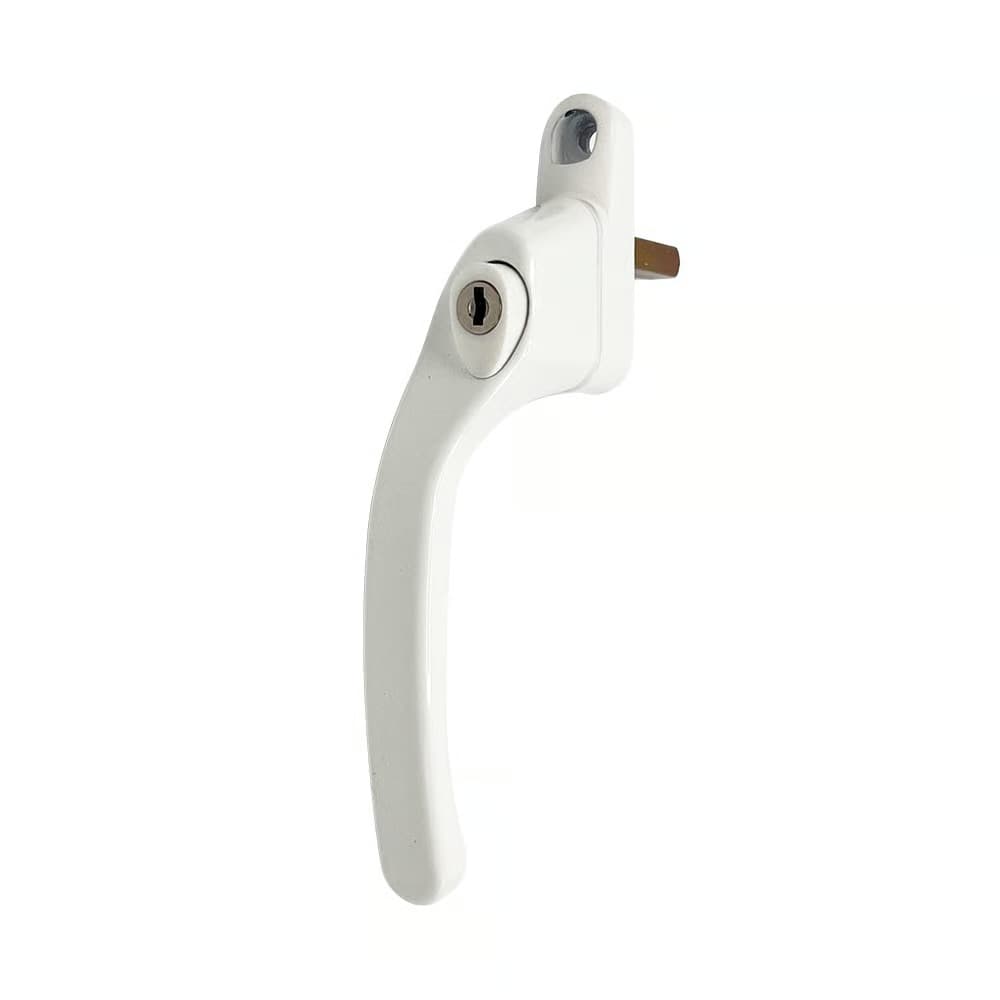
- Cockspur handles are surface-mounted and have a hooked spur which latches over the frame — common on older or simpler windows.
- Handle assemblies for tilt-and-turn windows are bespoke to the mechanism and often carried under brand names with specific centre-to-centre measurements.
Measure and match centre distance and spindle
Accurate measurement avoids returns and wasted time. Two measurements are critical:
- Centre-to-centre (also called backset): the distance between the fixing holes measured from the centre of one screw hole to the centre of the other. Common backsets are 43 mm and 45 mm for many espag and casement handles; cockspur handles often use different hole spacings.
- Spindle length and square size: measure the depth from the handle to the face of the handle rose and the square spindle thickness, usually 7 mm or 8 mm. For replacements, confirm spindle engagement length inside the lock keeps the handle in full travel without binding.
Check screw type and screw centres
Many handles are fixed with one or two cross-head or security screws. Note whether the existing screws are countersunk or raised and whether they sit flush with the backplate. When replacing, reuse stock screws if they fit; otherwise, use stainless steel screws of the same length to avoid over-tightening into the frame. For cockspur replacements, the screw centre measurement—distance between screw holes—is vital. The TSS Cockspur Window Handle can be matched to existing layouts and is well-suited to common retrofit scenarios.
Finish, corrosion resistance and suitability
Match the finish to existing ironmongery to maintain appearance. Common finishes include white, satin chrome, polished chrome, gold and black. For coastal properties or wet rooms specify handles with a high corrosion resistance rating (often described as enhanced coating or salt-spray tested). Metal handles with a robust powder-coated finish or electroplated chrome will outlast cheaper painted options.
Where aesthetics matter, consider whether the handle rose is separate or an integrated backplate, as this affects the gap around the handle and how it sits against leaded or decorative glazing beads.
Security features and upgrade options
Upgrading handles can improve security. Look for handles with:
- Key-locking capability to prevent unauthorised opening from inside.
- Anti-snap or reinforced spindles to resist forced entry.
- Multi-point engagement compatibility to work with espagnolette locking rods.
Practical replacement steps
These actionable steps streamline a typical replacement:
1. Remove the old handle by unscrewing the fixing screws and sliding the handle off the spindle. Retain existing fixings for measurement reference. 2. Clean the rose/backplate area and check that the spindle is straight and undamaged. Replace the spindle if it shows wear. 3. Compare the new handle’s centre distance and spindle size with the old one before fitting. Temporarily fit the handle to ensure smooth rotation and full engagement of the locking mechanism. 4. Fit screws lightly, operate the handle through full travel, then tighten screws evenly to avoid distorting the backplate. 5. Check for binding, misalignment, or any metal-to-frame contact that could cause wear. Adjust keepers or strike plates if required.
For tradespeople fitting multiple windows, create a small template showing centre distances and spindle sizes for quick matching on site.
When to replace the internal locking mechanism instead
If operation feels sloppy after handle replacement, the internal espagnolette or locking rod may be worn. Symptoms include rattling, poor sealing, or handles that do not return to a neutral position. Replacing the lock case or espag rod is a more involved task but restores function and energy performance. Tradespeople should inspect the locking run length, gearbox position and condition of the striker plates; replacement kits for specific window systems often include replacement rods and keepers.
Final checks and maintenance
After installation, perform a functional check: close the sash, operate the handle to lock and unlock, and verify the seal and handle return. Apply a small amount of lubricant to moving parts annually and check screws for tightness. Recommend to homeowners that any key-locking handle keys are recorded and spares sourced from the manufacturer to avoid future access issues.
For a comprehensive overview of handle types, finishes and measuring guides, consult the retailer’s central resource: Window Handles Guide