Replacement Espag Window Handles: Spindle Length Explained
Replacement espag (espagnolette) window handles are a common maintenance task for homeowners and tradespeople. Choosing the correct spindle length is essen...
Replacement espag (espagnolette) window handles are a common maintenance task for homeowners and tradespeople. Choosing the correct spindle length is essential for smooth operation and a secure fit. This guide explains how spindle length is measured, the most common sizes, how to measure on-site, and practical tips for fitting replacement window handles safely and accurately.
What is the spindle and why spindle length matters
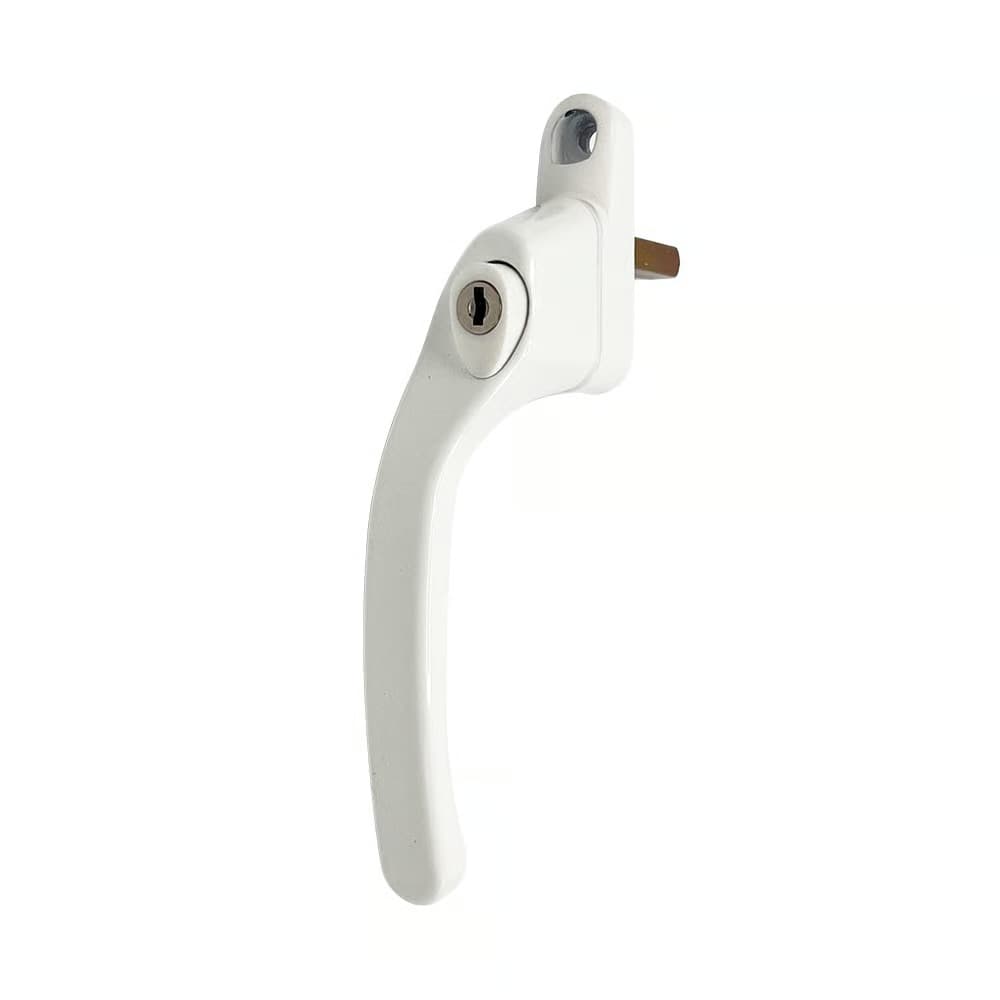
The spindle is the square metal bar that connects the handle to the window’s locking mechanism inside the frame. Spindle length must bridge the distance between the back of the handle rose and the face of the lock case so that the handle fully engages the mechanism when turned. A spindle that is too short will not engage the locking mechanism, while an overly long spindle can prevent the handle from sitting flush and may cause binding or damage.
Using the correct replacement window handles avoids operational problems and ensures the handle sits correctly on the window for security and weatherproofing.
Common spindle lengths and variants
Most modern espag handle spindles are standardised into a small range of lengths. Common sizes include:
- 30mm (short)
- 35mm (popular for older frames)
- 40mm (very common)
- 45mm and 50mm (for thicker frames or stepped handles)
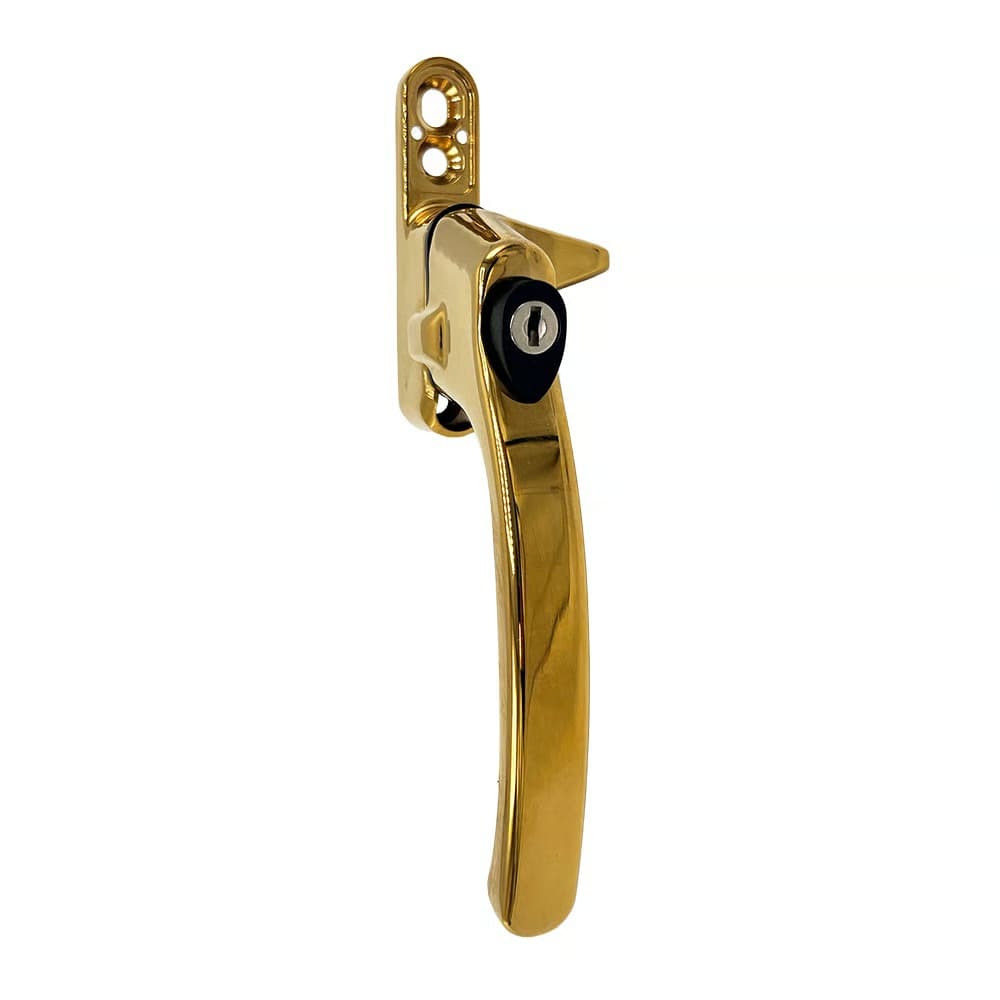
For non-espag fastenings, such as cockspur handles, different fitting methods apply. A reliable option for casement windows is the TSS Cockspur Window Handle, which is designed specifically for cockspur applications where spindles are not used.
How to measure spindle length correctly
Accurate measurement avoids wasted returns and unnecessary reorders. Follow these practical steps: 1. Remove the old handle. Undo the two roses or mounting screws and slide the handle off the spindle. Use a small slot screw or Allen key to free the handle if required. 2. Measure the exposed spindle length. Using a vernier caliper or a steel rule, measure from the face of the handle rose (the point where the handle sits against the frame) to the midpoint of the square spindle end. For stepped spindles, measure to the end of the larger section that engages the gearbox. 3. Check spindle width. Measure across the flats of the spindle; common widths are 7mm and 8mm. 4. Note handle backset. The backset is the distance from the edge of the frame to the centre of the spindle or screw holes; this helps when replacing with a different style.
When measuring in-situ with the handle still fitted, measure the distance from the rose face to the spindle end once the handle is removed. Rounding down to the nearest standard size is safer than rounding up.
Matching handle to gearbox and security considerations
Not all espag handles are compatible with every gearbox profile. Confirm the spindle square size, step position, and overall gearbox type before ordering a replacement. Some high-security or multi-point locking systems require specific handle types or reinforced spindles to meet insurance standards.
For improved security, consider a handle with a non-rotating rose and an anti-snap feature. The TSS Cockspur Window Handles is a good example of a handle engineered for higher security, offering a robust spindle and secure fixing options.
Fitting replacement espag handles: practical steps
A methodical approach speeds up fitting and produces professional results:
- Tools required: cross-head and flat screwdrivers, Torx set (if applicable), measuring tool/ vernier caliper, centre punch, and a battery drill with appropriate bits.
- Preparation: ensure the window is closed and the locking gearbox is in the neutral or unlocked position before fitting a new handle.
- Fixing procedure:
When fitting to PVCu frames, use stainless steel screws of the correct length to avoid cracking the frame. For wooden frames, pre-drill pilot holes to prevent splitting.
Troubleshooting common issues
- Handle binds or is stiff: Check that the spindle is the correct length and fully inserted. Lubricate the gearbox with light machine oil and ensure no screws are over-tightened.
- Handle won’t engage lock: Spindle may be too short, or the gearbox may be worn or misaligned. Re-measure and replace the gearbox if necessary.
- Handle rotates without operating gearbox: Spindle width may be incorrect or the spline does not match. Replace with a properly sized spindle and handle.
- Loose handle: Fixings might be stripped or incorrect length. Replace screws or inserts and ensure the rose sits flush.
Final practical tips for tradespeople and homeowners
- Always carry a small selection of common spindle lengths (30–50mm) and both 7mm and 8mm spindles for on-site jobs.
- Keep a template or photos of the existing handle’s backset and screw spacing to speed up ordering.
- Label components when removing multiple handles from a property to avoid cross-fitting.
- When in doubt, measure twice and choose the nearest standard spindle length that ensures full engagement.