Replacement Espagnolette Window Handles: How to Match Yours
Replacement espagnolette window handles are a common requirement for both homeowners and tradespeople when refurbishing or repairing windows. The espagnole...
Replacement espagnolette window handles are a common requirement for both homeowners and tradespeople when refurbishing or repairing windows. The espagnolette mechanism — a multi-point locking system operated by a handle — is durable but the handles themselves can wear, corrode or become mismatched after years of use. This guide explains how to identify, measure and choose the correct replacement so the new handle fits and operates smoothly.
Identify the type of handle and mechanism
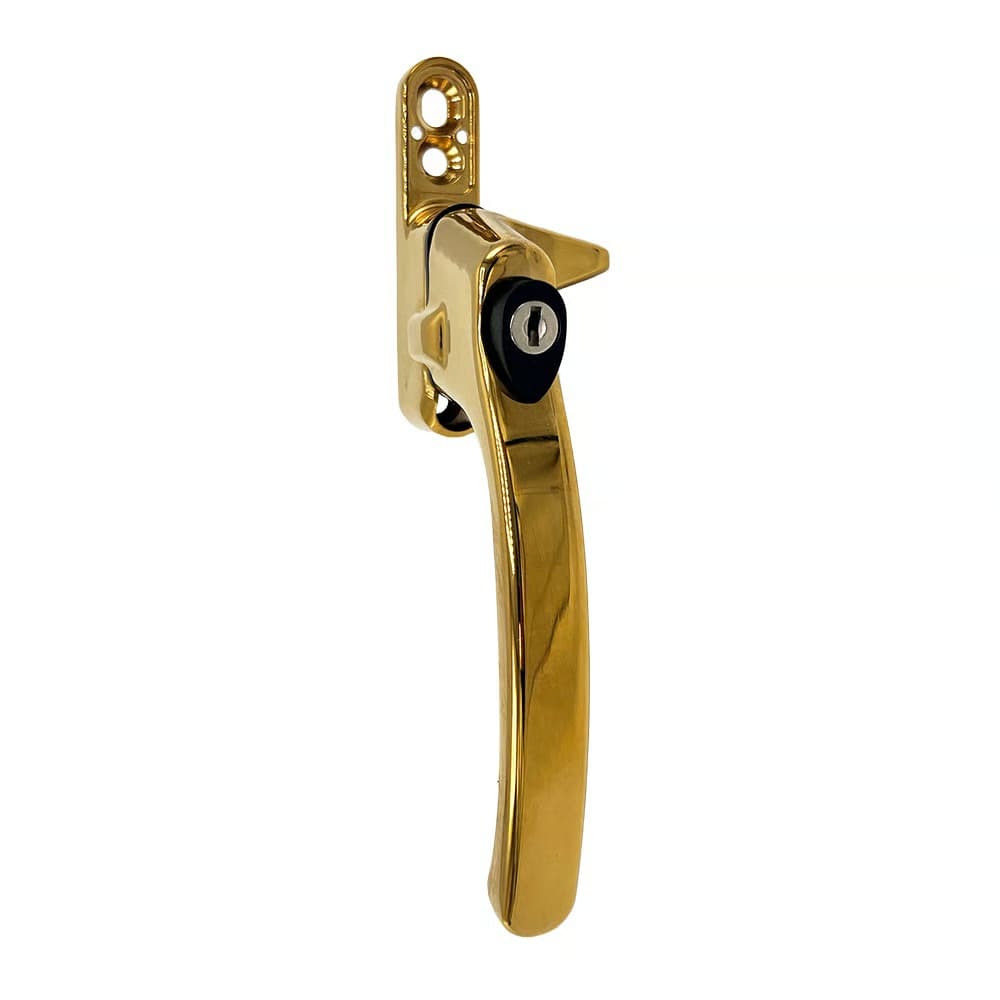
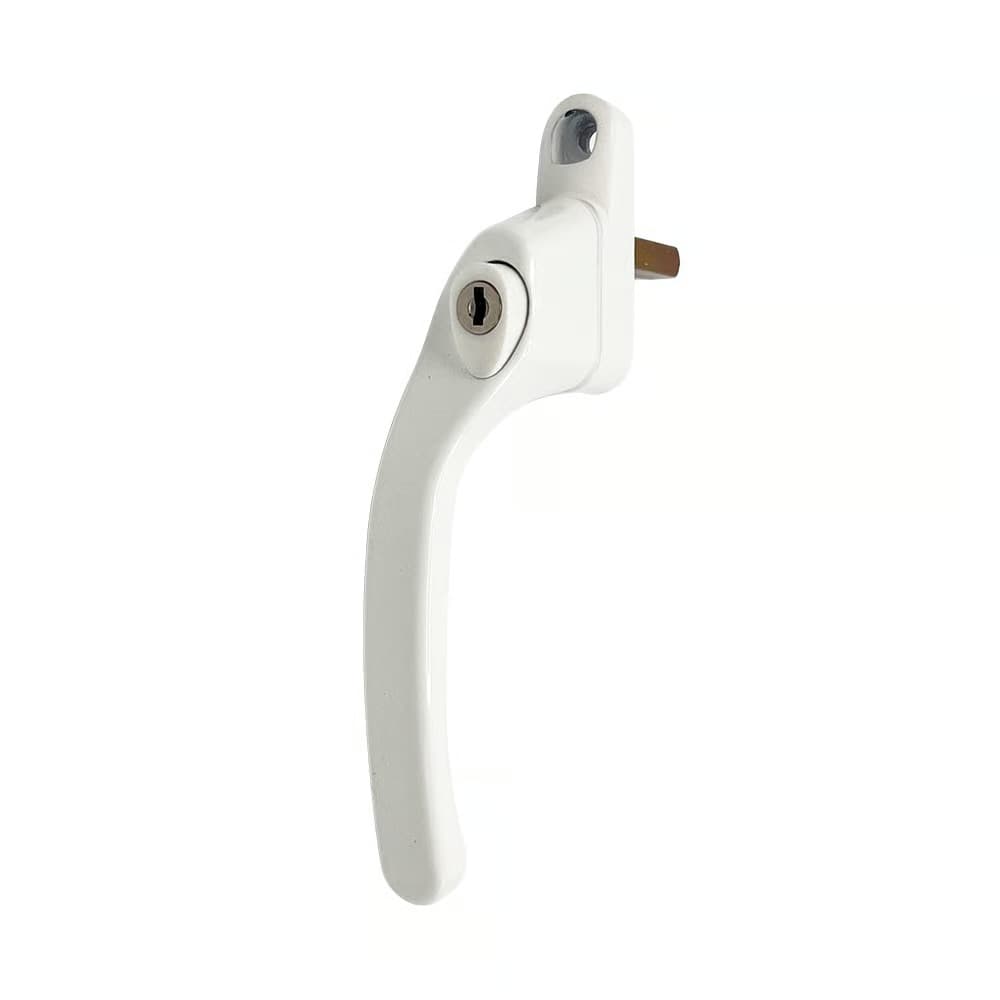
First, identify whether the window uses an espagnolette handle or another style such as a cockspur. Espagnolette window handles operate a spindle that engages a locking rod or bar running vertically within the frame. Look at the handle’s base, spindle square size, and whether the handle is left- or right-handed (facing the handle whilst inside the room). For cockspur-style handles that clamp over the window frame, consult alternative replacements such as the TSS Cockspur Window Handle when appropriate.
For espagnolette-specific replacements, popular modern choices include the TSS Cockspur Window Handles and the TSS Offset UPVC Window Handles, both offering variations in finish and spindle sizes. Note that some handles are reversible or come with multi-spindle adaptors to cover a range of gearbox sizes.
Measure accurately before ordering
Accurate measurements avoid returns and refits. Key measurements include:
- Spindle size: Measure the square spindle that projects from the gearbox in millimetres. Common sizes are 7mm and 8mm, though other sizes exist. Measure across the flats of the square.
- Backset and spindle projection: Measure the distance from the face of the handle rose or baseplate to the centre of the spindle. This ensures the handle sits flush and operates without binding.
- Screw centres: Measure the distance between the fixing screws on the handle’s rose or baseplate. This is crucial for replacement backplates to align with existing holes.
- Handle length and projection: If space is limited (near frames or blinds), confirm the handle length and how far it projects when turned.
Determine handedness and fitting orientation
Espagnolette handles are handed: left-handed handles are typically used on windows that open to the left when viewed from inside, and vice versa. Handing matters for the lever’s rotation and the direction the locking rod operates. Some manufacturers produce non-handed handles or provide reversible spindles. Confirm handedness on the product page and choose the appropriate orientation.
For casement windows with friction stays, it is important the handle operates without contact with the stay or restrictor. A shorter lever may be necessary in tight spaces. Tradespeople should consider carrying a small selection of spindle adaptors and short-lever handles to cover common on-site variations.
Check compatibility with multipoint espagnolette gearboxes
Many modern windows use multipoint espagnolette gearboxes where the handle drives rods top and bottom. Handle compatibility requires matching the spindle shape and thickness and ensuring the gearbox square fits the replacement. Some older windows use round spindles or proprietary gearboxes; in such cases replace the gearbox and handle together for a warranty-backed solution. If replacing only the handle, confirm the replacement’s spindle length and thickness match the existing gearbox.
Material, finish and security features
Handles come in a range of finishes: white, satin chrome, polished brass, black and more. Choose corrosion-resistant materials for coastal properties; stainless steel or specially coated finishes resist tarnishing. For enhanced security, select handles with integrated key-locking mechanisms where required. Key-locking espagnolette handles deter forced entry and are commonly used on ground-floor windows and accessible first-floor openings.
When specifying locks, check they are compatible with the espagnolette mechanism and the window manufacturer’s recommendations. For trade installations, fitting a key-lockable handle may satisfy client security requirements without altering the whole locking system.
Practical fitting advice
- Remove the old handle gently: Unscrew fixing screws and withdraw the spindle. Inspect the gearbox and sash for damage, dirt or wood rot. Clean the spindle area and apply light lubricant to the gearbox if stiff.
- Align new handle: Insert the spindle fully into the gearbox and align screw holes. Do not force a mismatched spindle — this can damage the gearbox.
- Tighten progressively: Secure screws alternately and tighten to a firm but not excessive torque to avoid stripping fixings or deforming the rose.
- Test operation: Cycle the handle through full operation several times with the window closed and open to ensure smooth engagement. Check that locking points engage fully and that the handle returns to the neutral position without sagging.
- Weatherproof and finish: Replace any degraded sealant around the handle base where necessary, and touch up paint or coatings to prevent water ingress on timber frames.
When to replace the gearbox or whole handle assembly
Replace only the handle when the gearbox and locking rods are in good condition. Signs that the gearbox requires replacement include excessive play, sheared or rounded spindles, missing locking pins, or broken rods. When in doubt, replacing the complete handle and gearbox assembly ensures correct engagement and prolongs service life.
For older timber windows where fixings or frames are degraded, consider upgrading to a contemporary handle with stronger fixings or switching to an improved security model.
Summary
Matching replacement espagnolette window handles requires careful identification of spindle size, screw centres, backset and handing. Choose corrosion-resistant finishes and consider security features for vulnerable locations. Use accurate measurements and test operation after fitting to ensure long-lasting performance. For common alternatives, consider products such as the TSS Cockspur Window Handles, TSS Cockspur Window Handle and the TSS Offset UPVC Window Handles depending on the mechanism and style required.