Replacement uPVC Window Handles: Avoid These Common Mistakes
Replacing uPVC window handles is a common maintenance task that improves security, functionality and the appearance of windows. Mistakes during selection o...
Replacing uPVC window handles is a common maintenance task that improves security, functionality and the appearance of windows. Mistakes during selection or fitting can lead to poor operation, drafty seals or even compromised security. This guide outlines the most frequent errors to avoid and provides practical, actionable advice for homeowners and tradespeople tackling replacement uPVC window handles.
Choose the correct handle type and fixing pattern
One of the most common mistakes is assuming all handles are interchangeable. uPVC windows use a variety of mechanisms: espagnolette/espag handles, cockspur handles and peg-locking designs among others. Selecting the wrong type will result in poor engagement with the locking mechanism or an incorrect projection that prevents full closure.
- Identify the mechanism: Check the locking system inside the window — espagnolette rods, cockspur hooks or peg sockets — then select a matching handle design. For espagnolette systems, modern multi-point locking often pairs with an espag handle such as the TSS Cockspur Window Handles.
- Measure fixing centres: Handles are typically secured with two screws; measure the distance between the screw centres (fixing centres) precisely before ordering. Common sizes include 43mm, 68mm and 92mm but variation exists.
- Consider the gearbox: Some backplates contain a gearbox for non-standard screw positions. Photograph the handle and gearbox before removal to ensure the replacement matches.
Don’t ignore lock spindle size and shape
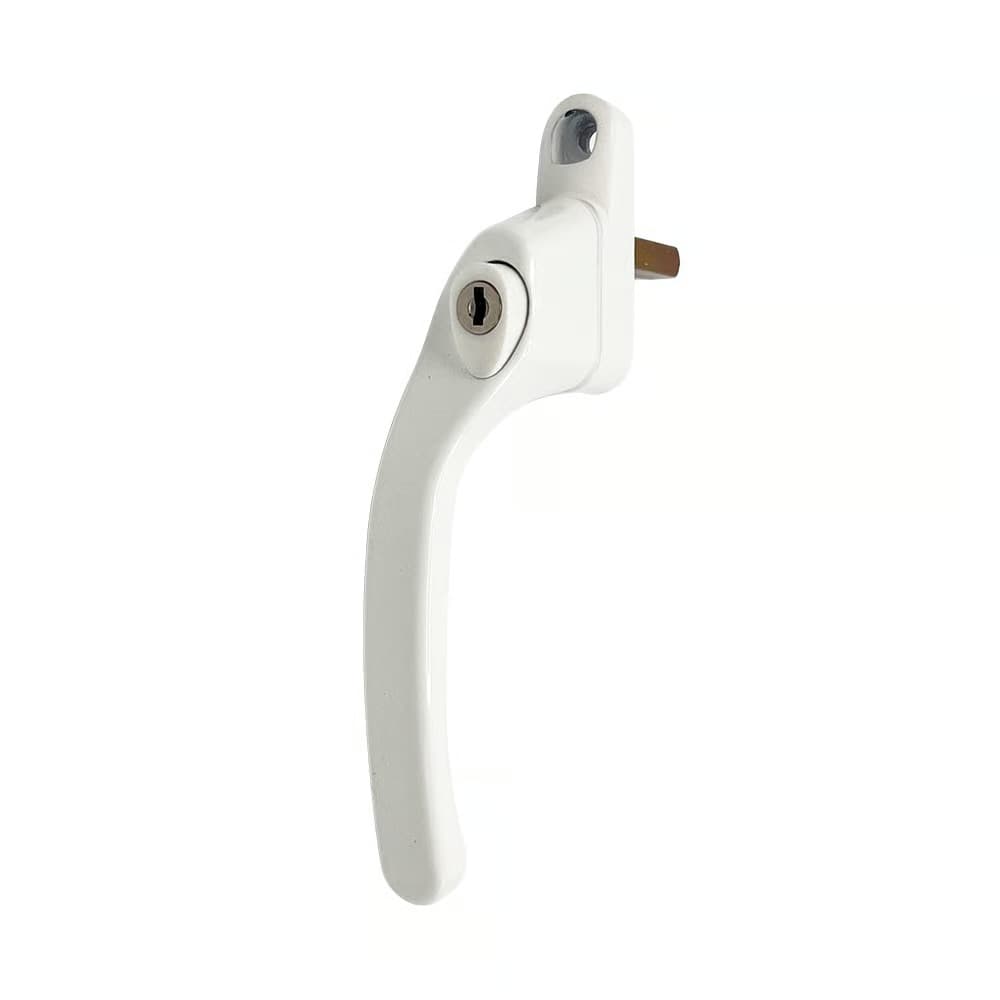
Another frequent oversight is neglecting the spindle — the square bar transferring rotation from the handle to the lock. Spindle dimensions and lengths vary; an incorrect spindle can leave the handle loose or fail to operate the lock.
- Measure the spindle thickness and length from the face of the handle to the lock. Standard square spindles are often 7mm or 8mm.
- For replacement handles without the correct spindle, purchase an adaptor or a complete handle set that includes the correct spindle length.
- Consider adjustable spindles where available for minor mismatches.
Overlooking handedness and projection
Handles are handed (left or right) and have differing projection profiles. Choosing the wrong handedness results in awkward operation or an unsightly handle position that interferes with window frames.
- Determine left- or right-hand by looking from the outside: if the handle is on the left, it is a left-hand handle.
- Check the projection dimension — some handles project further from the frame and can obstruct curtains or blinds if selected incorrectly.
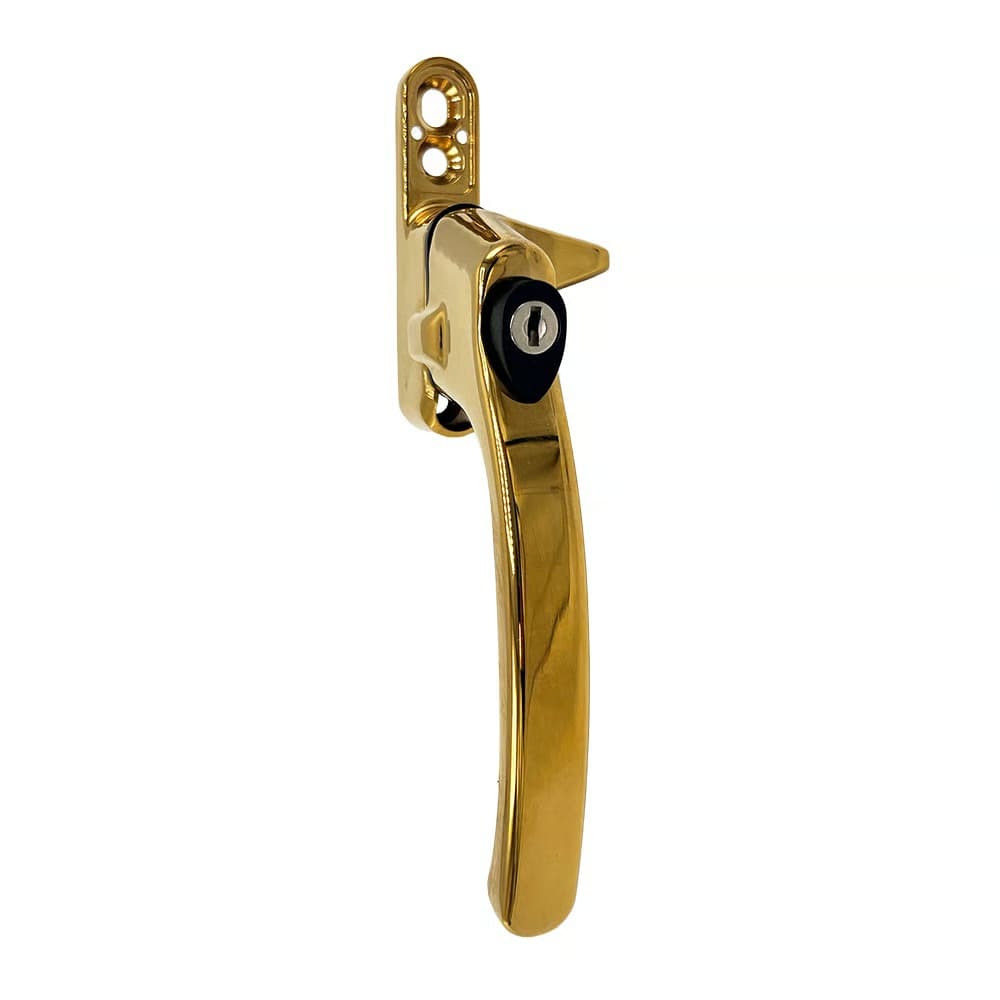
- For a conservative, unobtrusive option, consider cockspur handles such as the TSS Cockspur Window Handle that suit older casement windows and often require minimal modification.
Avoid poor quality materials and finishes
Selecting low-quality handles can result in rapid corrosion, loose fittings and a finish that fades quickly, particularly in coastal locations where salt air accelerates wear.
- Choose handles made from durable materials such as zinc alloy with appropriate corrosion-resistant finishes or stainless steel where applicable.
- For high-traffic windows or doors, invest in a higher grade handle with tested security credentials and a robust finish.
- Confirm compatibility with existing colour schemes and hardware finishes to avoid replacing multiple parts unnecessarily.
Incorrect installation technique
Even the correct handle will fail if installed incorrectly. Common installation errors include over-tightening screws, misaligning the spindle and failing to seat the handle fully against the frame, causing stripped threads or handle wobble.
- Remove the old handle carefully, noting orientation and screw types. Retain any shims or packing pieces that set the handle height.
- When fitting the new handle, hand-thread screws first to avoid cross-threading, then torque evenly to the manufacturer’s recommended tightness.
- Ensure the spindle is fully engaged in the lock barrel before tightening. Rotate through the full range of motion to confirm smooth operation without binding.
- Replace any worn or damaged screws with suitable corrosion-resistant replacements rather than reusing compromised fixings.
Neglecting security upgrades
A plain replacement for a damaged handle might restore function but miss an opportunity to upgrade security. Modern handles often incorporate integral locks or are designed to work with anti-snap and anti-lift locking systems.
- Consider handles with key-locking features for vulnerable ground-floor windows. The TSS Offset UPVC Window Handles offers a recognised security profile appropriate for many domestic applications.
- Upgrade the sash and frame fixings if showing signs of weakness; handle replacement alone does not address structural vulnerabilities.
- Check that the new handle aligns with existing locking points to maintain multi-point locking performance.
Test and maintain after replacement
Installation is not the end. Neglecting post-installation testing and maintenance leads to operational issues later.
- Cycle the handle through open, closed and locked positions multiple times to confirm smooth operation and correct lock engagement.
- Apply a light-duty lubricant to the locking mechanism and spindle annually to prevent stiffness; avoid heavy greases that attract dust.
- Inspect fixings periodically and retighten where necessary. Replace any corroded screws promptly.
Conclusion
Avoiding common mistakes when selecting and fitting replacement uPVC window handles saves time, money and reduces security risks. Correctly identify the handle type and spindle, match handedness and projection, invest in durable finishes, follow proper installation techniques and consider security upgrades. These practical steps ensure reliable operation and a professional finish for both homeowners and tradespeople seeking long-lasting results.