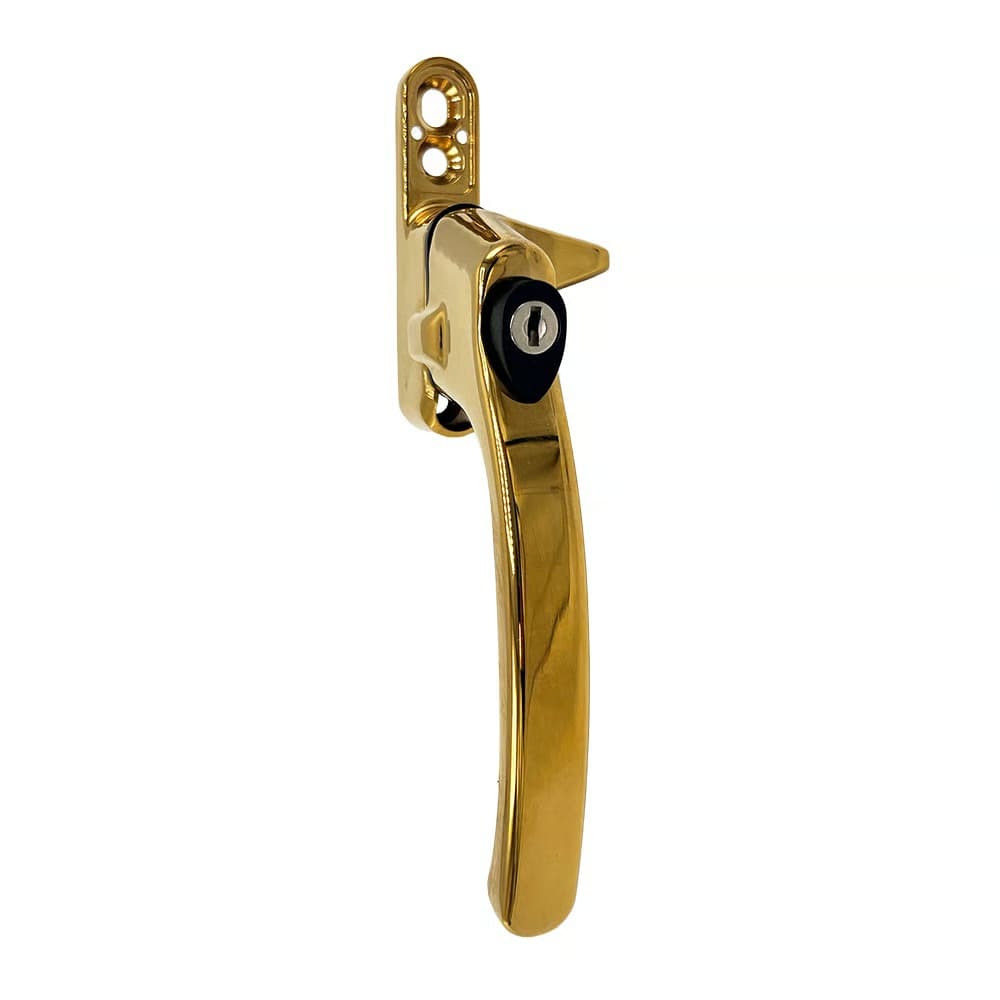
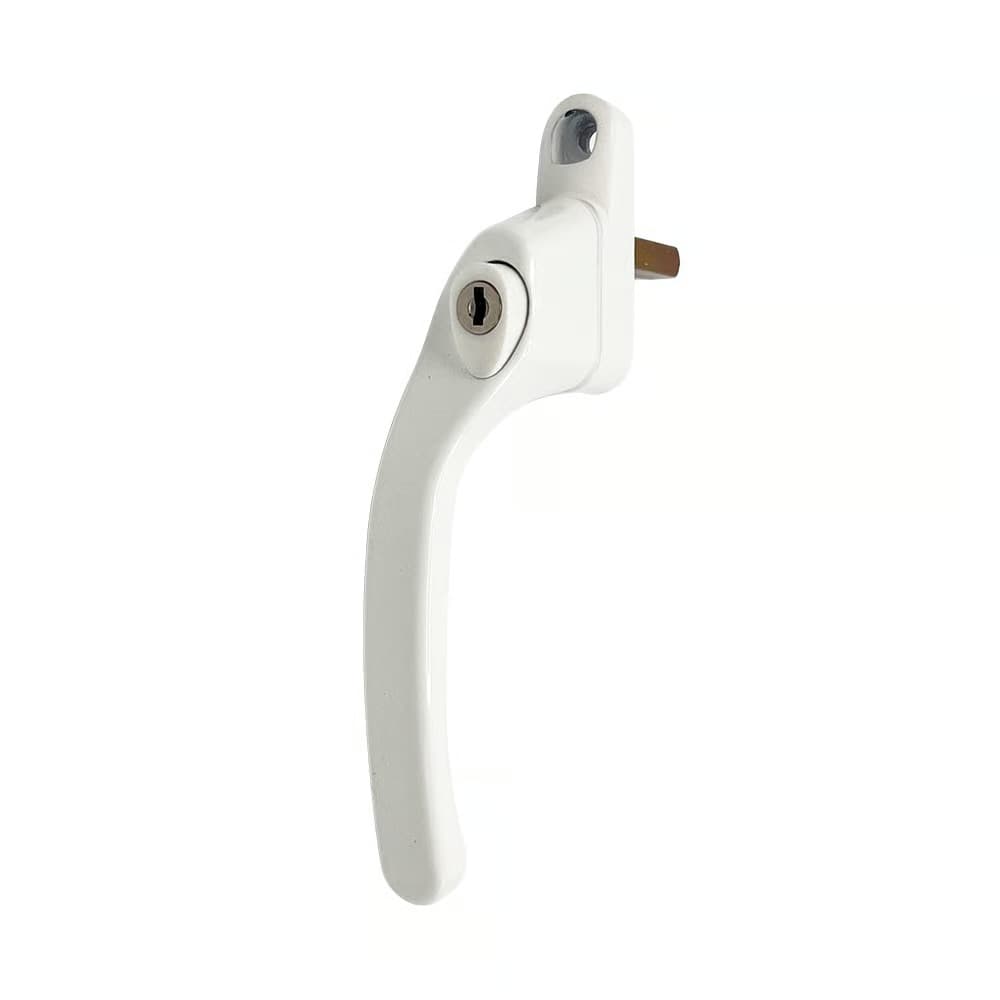
Replacement uPVC Window Handles: Handing (Left vs Right)
Replacement upvc window handles are a common maintenance item for homeowners and tradespeople. Correctly identifying the handing (left vs right), choosing...
Replacement upvc window handles are a common maintenance item for homeowners and tradespeople. Correctly identifying the handing (left vs right), choosing the appropriate style and fitting it securely extends the life of the window, ensures smooth operation and maintains security. This guide explains how to determine handing, select the right replacement, and fit it with practical, actionable steps.
Understanding handing: left vs right
Handing describes which way a window handle operates when viewed from the inside. The simplest method is to stand inside the property facing the window. If the handle is on the left side of the opening and the window opens towards the left, it is a left-handed handle. If the handle sits on the right and the window opens to the right, it is right-handed. Rhetorically: visualise the hinge side — the handing is opposite the hinge side when viewed internally.
Many modern handles are reversible or universal, but some styles, particularly cockspur and non-reversible espag handles, are handed. Confirm handing before ordering to avoid returns and unnecessary labour onsite.
Types of replacement handles and when to use them
- Espag handles: Common on modern tilt-and-turn and casement uPVC windows. They operate an espagnolette (espag) locking mechanism via a spindle and are often supplied with a screw-retracting cam. For a secure, multi-point style, consider the TSS Cockspur Window Handles. Espag handles may be handed depending on the cam and screw configuration.
- Cockspur handles: Simpler and often used on older or budget uPVC windows. A cockspur handle hooks over the frame and secures with a simple lip. The TSS Cockspur Window Handle is suitable where a straightforward hook action is required. Cockspur handles are usually handed because the hook faces the opening direction.
- Classic locking handles: These combine aesthetic finish with a lock for added security. Replace like-for-like where possible. The TSS Offset UPVC Window Handles is a robust choice for standard locking mechanisms. Check whether the lock cylinder is integrated or separate; replacement may require matching the gearbox.
How to measure for a replacement upvc window handle
Accurate measurements prevent ordering the wrong product. Use a tape measure and note the following:
- Backplate length and width: Measure the length of the handle backplate from top screw centre to bottom screw centre. Many handles use standard centres (e.g., 43mm, 92mm) so record the exact measurement in millimetres.
- Spindle length and type: Remove the old handle and measure the spindle (the square rod that engages the mechanism). Measure from the base of the handle to the tip. Spindles are typically 7mm square; common lengths are 25mm, 35mm and 45mm. Confirm the fitting depth of the gearbox to ensure the spindle engages fully.
- Screw positions and hole centres: Measure horizontal and vertical distances between fixing holes. This is critical for backplate-style handles where fixing studs must align.
- Handing: Note which side the handle sits on and the direction of the hook or cam action. Photograph the existing handle and the lock/multi-point gear before removal to aid selection.
Practical fitting steps for replacement upvc window handles
1. Prepare: Gather a screwdriver (typically Philips or Pozidriv), replacement handle, clean cloth, and, if required, replacement spindle. Ensure the window is closed and the mechanism is in the neutral position (handle vertical) before removing the old handle.
2. Remove the old handle: Undo the visible fixing screws on the backplate or underside. Some handles have a plastic cap covering the screw; pop it off carefully. Withdraw the handle straight out, avoiding twisting that could damage the spindle.
3. Measure and check: Verify the spindle engages the gearbox and the new handle’s fixing holes match the drilled positions. If holes do not match, consider a compatible backplate adaptor or a different handle model.
4. Fit the new handle: Slide the replacement onto the spindle, ensuring it sits flush. Insert fixings and tighten evenly to avoid distorting the backplate. Operate the handle through a full open/close cycle to check smooth movement and full engagement of the locking points.
5. Adjust and secure: If the handle is loose or stiff, check spindle length and that the handle sits square. For locking handles, test the key operation several times. For espag handles, ensure the cam engages correctly with the gearbox. If necessary, adjust striker plates on the frame for a smooth catch.
6. Final checks: Confirm the handle returns to the central neutral position and that the window seals correctly. Check for rattles and re-tighten fixings after a short period of use.
Security and maintenance considerations
- Use handles with a lock where security is a concern, particularly on ground-floor windows or where access is possible from a shared area. Choose durable materials and anti-snap features when available.
- Lubrication: Apply a light silicone spray to the gearbox and moving parts annually to keep mechanisms smooth. Avoid oil-based lubricants that attract dust.
- Weathering: Inspect handles and backplates for corrosion and replace where necessary to maintain weather seals. Ensure replacement handles have a solid fit to prevent movement that can compromise the window gasket.
- Spare parts: Keep a small stock of common spindle sizes and screw sets for routine maintenance. Tradespeople benefit from carrying a set of reversible and handed handles to cover most onsite repairs quickly.
Common pitfalls to avoid
- Ordering by finish only: Matching colour and finish matters, but measurements and handing are critical. Black or white finish does not guarantee fit.
- Assuming universal fit: Some older gearboxes require specific spindle lengths or non-reversible cams. Check the gearbox markings and, when in doubt, remove the old handle to confirm.
- Over-tightening fixings: This can warp the handle backplate, causing poor operation and leaks. Fasten firmly but evenly.