Replacement uPVC Window Handles: Matching Your Existing Handle
Replacing a worn or broken window handle can restore function, security and appearance to uPVC windows without the cost of a full frame replacement. This g...
Replacing a worn or broken window handle can restore function, security and appearance to uPVC windows without the cost of a full frame replacement. This guide explains how to identify the correct replacement, measure for compatibility, choose the right style and finish, and fit a new handle safely and securely. Practical advice is given for homeowners and tradespeople who want a reliable, professional result.
Identify the handle type and operation
The first step is to determine which style of handle is fitted. Common types for uPVC windows include espagnolette (espag) handles, cockspur handles, cranked/offset handles and tilt-and-turn or tilt-before-turn handles.
- Espag handles operate a gearbox and spindle that turn to engage bolts into the edge of the sash.
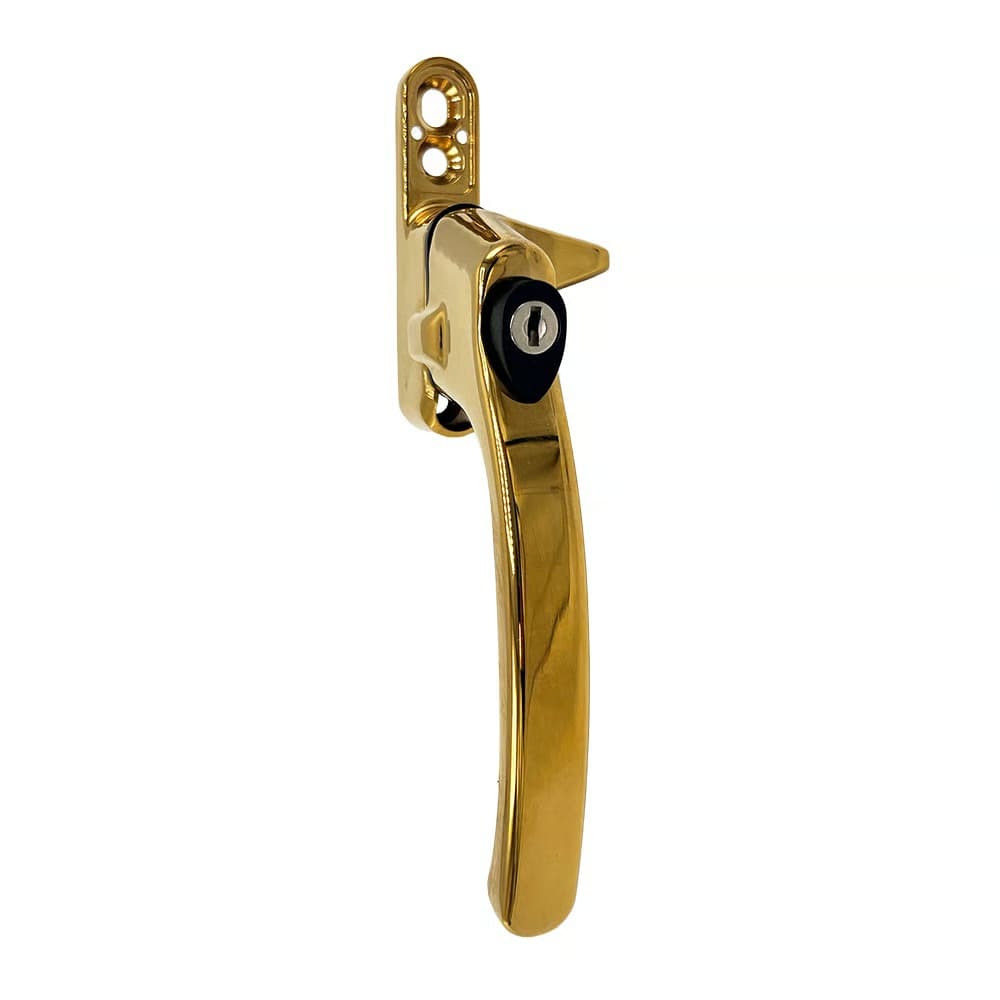
- Cockspur handles have a hook or spur that locks against the frame and are surface-mounted.
- Cranked handles allow clearance for window furniture, often used where a handle would foul a window sill.
- Tilt-and-turn handles are specific to the inward-opening system and often integrate multi-position levers.
Measure key dimensions
Accurate measurement avoids wasted purchases and refitting delays. Essential measurements include:
- Screw centres: measure the distance between the fixing screw centres on the rose or backplate in millimetres (common centres are 43mm, 92mm).
- Spindle length and thickness: measure the square spindle that passes through the window mechanism. Typical sizes are 7mm or 8mm square; note the projection length either side of the handle.
- Backset/rose diameter: measure the diameter of the rose or the backplate if fitting into a recess.
- Overall projection and clearance: check for any sill or frame that the handle might foul; a cranked or offset handle may be required.
Match finishes and security features
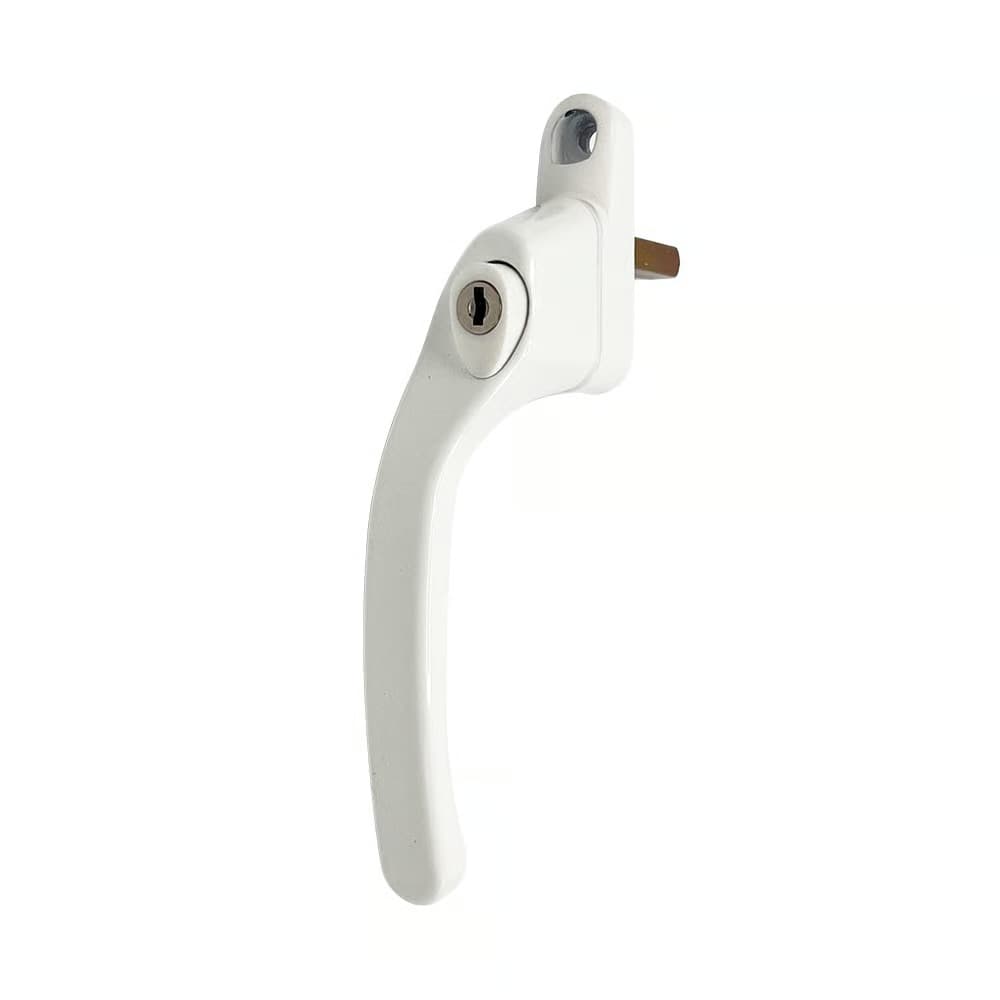
Choose a finish that matches existing hardware and décor — common finishes include white, chrome, satin chrome and gold. For security, consider handles that are designed to meet enhanced standards or are compatible with locking mechanisms. Lever locks and key-locking designs are useful for ground-floor windows or where additional security is required.
For applications where security is a priority, branded options offer proven performance. The Mila ProSecure Espag Handle combines a robust mechanism with a secure lock cylinder and is suitable for enhanced security requirements when paired with an appropriate espag gearbox. Link the replacement handle that meets both the style and the security specification needed for the property.
Selecting the correct replacement product
Choose a handle that matches type, screw centres and spindle size. For straightforward surface-mounted applications where a classic outward action is required, the TSS Cockspur Window Handle is a direct replacement for older cockspur hardware and is available in common finishes.
For tradespeople replacing branded components, nameplate models often have direct equivalents. The TSS Offset UPVC Window Handles is a commonly used replacement for many standard espag applications and provides a factory-quality fit. Select a handle with matching screw centres and spindle dimensions for minimal adjustment.
Practical fitting steps
Follow these practical, safety-conscious fitting steps for most uPVC handle replacements:
1. Remove old handle: unfasten fixing screws and withdraw the handle. For espag handles, align the spindle so it can be pulled from the gearbox; for cockspur handles, remove surface screws and detach the spur. 2. Inspect mechanism: check the gearbox or espag rod for damage and confirm the sash and frame keep are intact. Replace or repair any worn parts before fitting a new handle. 3. Confirm alignment: newly fitted handles should align with the gearbox spindle and operate the locking points smoothly. Rotate the spindle into position if necessary. 4. Fit new handle: push the spindle through the mechanism, position the rose or backplate and secure using the supplied screws. Ensure screws engage fully without overtightening to avoid distorting the handle or striping the threads. 5. Test operation: operate the handle through its full travel to confirm smooth locking and unlocking, and check that the multi-point lock engages properly at all handle positions. 6. Final adjustments: if the handle is stiff or loose, recheck spindle length, screw tightness and gear condition. Slight lubrication of the gearbox with a dry PTFE spray can improve operation without attracting dirt.
Tradespeople should ensure they carry common spare spindles, screws and a small selection of handles for rapid on-site replacement.
Troubleshooting common issues
- Handle turns freely without operating the lock: likely a stripped gearbox or worn spindle; replace the gearbox or the espag rod as required.
- Handle is stiff or difficult to move: check for corrosion or debris in the gearbox, or misalignment between sash and frame. Lubricate and realign where possible.
- Wrong screw centres or spindle size: do not force a mismatched handle. Measure accurately and source a compatible replacement or an adaptor kit.
- Cosmetic mismatch: if an exact finish match is not available, consider replacing handles on adjacent windows for a uniform appearance.
Maintenance tips to prolong handle life
- Clean handles regularly with a mild detergent and a soft cloth; avoid abrasive cleaners that damage finishes.
- Lubricate moving parts annually with a light, dry lubricant suitable for uPVC mechanisms.
- Check fixings periodically and tighten if necessary to prevent wobble and wear.
- Inspect locking mechanisms for wear and replace handles or gearboxes at the first sign of slippage to maintain security.
For further guidance on matching handles to mechanisms and a wider range of compatible parts, consult the comprehensive Window Handles Guide.