Replacement Window Handles: FAQs on Fit, Returns, and Installation
Replacement window handles are a common home maintenance job that can improve security, functionality, and appearance. This guide addresses frequently aske...
Replacement window handles are a common home maintenance job that can improve security, functionality, and appearance. This guide addresses frequently asked questions about fit, returns and installation, offering practical, actionable advice for homeowners and tradespeople. Clear steps and measurement tips are included to ensure the correct product is chosen first time and fitted safely.
What measurements matter when ordering replacement window handles
Accurate measurement prevents ordering the wrong handle. The most important dimensions are:
- Centre to centre (spindle length): measure the distance between the screw holes on the rose or backplate. For espagnolette handles, measure the distance between the fixings on the handle’s base.
- Spindle size and square peg: measure the square spindle from the lock/gearbox to the end. Standard sizes are 7mm or 8mm; confirm with the existing handle.
- Backplate/rose size and screw spacing: check whether the new handle will cover existing holes. A larger backplate can conceal old fixing marks.
- Fixing hole orientation: vertical or horizontal screw holes determine compatibility with some backplates.
- Projection and clearance: ensure the handle projection does not foul window frames, blinds or security stays.
How to identify handle types and when to replace
Common handle types include espagnolette (espag), cockspur, lever on rose, and locking handles. Simple signs that a replacement is needed:
- Excessive play or wobble on operation indicates worn bushes or a stripped spindle.
- Handle returns slowly or swings back: likely a failed spring.
- Visible corrosion or snapped components from forceful operation or weathering.
- Locking mechanism no longer secures the window.
Checking compatibility with modern multipoint locks
Multipoint locks and espagnolette systems require handles that match the gearbox and spindle. To ensure compatibility:
- Confirm the spindle length and thickness: measure from the internal gearbox face to the tip of the square spindle.
- Check the handle rose/plate fixing pattern against the sash: if holes do not align, a longer backplate or conversion plate may be needed.
- Determine if the handle is for left- or right-handed windows; some designs are handed.
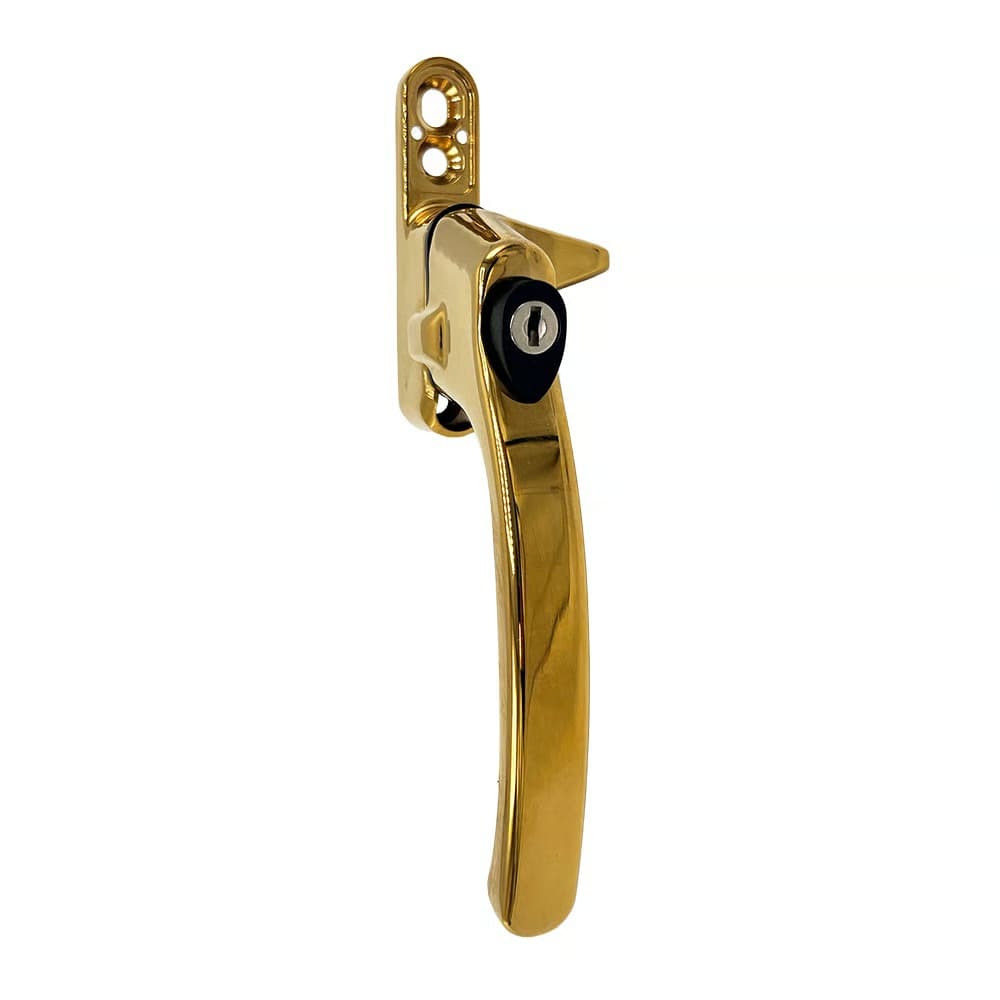
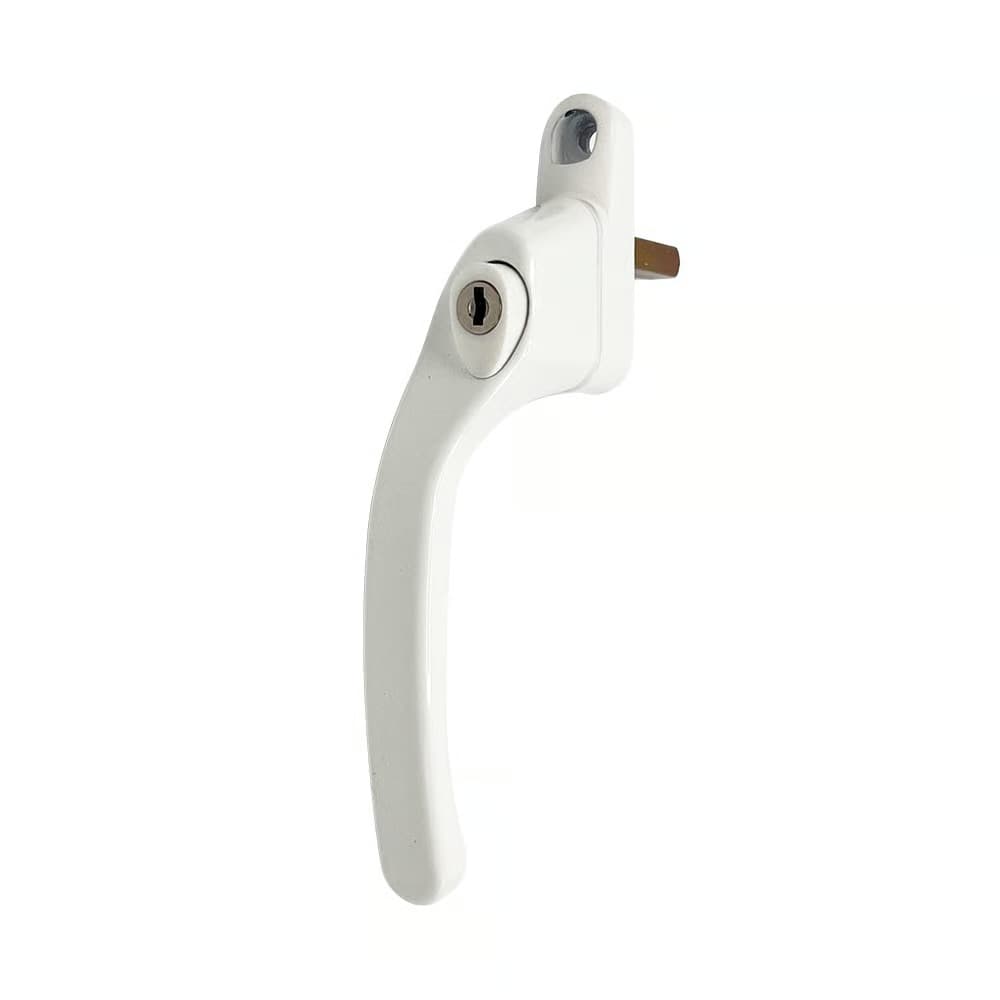
- For keyed handles, confirm lock barrel size and alignment.
Installation: step-by-step practical advice
Basic installation tools: screwdriver set, tape measure, masking tape, marker, replacement spindle(s) and possibly new screws and sealant. Recommended steps:
1. Prepare the area: rest the sash on a soft surface or prop open the window safely. Mask delicate glass with tape to prevent scratches. 2. Remove old handle: open lock, remove visible screws and withdraw handle and spindle. Retain existing screws if in good condition and correct length. 3. Clean and inspect: check the gearbox or locking mechanism for wear, debris or missing parts. Replace worn gearboxes rather than forcing a new handle onto a defective mechanism. 4. Test-fit the new spindle: insert spindle into the gearbox to check engagement depth and rotation. Trim or swap spindles as necessary; use a hacksaw file carefully and deburr afterwards. 5. Align backplate or rose: ensure screw holes align; use masking tape on the window to hold the handle in position while marking drill points if new holes are required. 6. Secure handle: tighten screws evenly to avoid distorting the rose. Avoid over-tightening which can impede operation. 7. Function test: operate the handle fully and lock/unlock several times to confirm smooth action and correct engagement with the lock keeps. 8. Final checks: ensure handle returns to its rest position, that no excessive play exists and that seal lines remain intact.
For keyed handles, check that the key operates smoothly and that the lock deadlocks correctly. If the handle is part of a fire escape or egress system, ensure it still meets regulations and does not obstruct emergency exit.
Returns, warranties and avoiding common pitfalls
Purchase policies vary; examine returns and warranty terms before ordering. Key points:
- Keep original packaging and any fitting instructions to qualify for returns.
- Many suppliers accept returns for unopened, unused items within a stated window (often 14–30 days). Custom or cut-to-size spindles may be non-returnable.
- Warranties typically cover manufacturing defects for a specified period. Cosmetic wear from incorrect installation is usually excluded.
- Photograph defect or fault prior to disposal when seeking a warranty replacement — retailers and manufacturers request visual evidence.
When to replace the mechanism instead of just the handle
Replacing the whole locking mechanism is advisable when:
- The gearbox shows stripped gears or excessive wear.
- The multipoint lock no longer engages properly with the keeps.
- There is water ingress or corrosion inside the mechanism.
- Multiple handles or components have failed, indicating age-related system decline.
Practical tips for long-term care
- Lubricate moving parts annually with a light machine oil or graphite in lock barrels; avoid heavy greases that attract dirt.
- Tighten loose screws periodically to prevent wobble and wear.
- Use corrosion-resistant products in coastal areas and consider stainless or coated handles.
- Replace handles in matched pairs or sets for a uniform appearance on multi-room properties.