Window Handles
Replacement Window Handles for Double Glazed Windows: A Checklist
Replacement window handles must balance function, security and appearance when fitted to double glazed windows. This checklist helps homeowners and tradesp...
Window Hardware Store Team
20 March 2026
5 min read
Replacement window handles must balance function, security and appearance when fitted to double glazed windows. This checklist helps homeowners and tradespeople select and install the correct window handles for double glazed windows, covering measurements, locking types, handing, finish, compatibility with existing hardware, and regulatory standards. Practical steps and common pitfalls are included so replacements are efficient and secure.
Identify the handle type and locking mechanism
Different window systems require specific handle types. Common options for double glazed windows include espagnolette (espag) handles for modern casement units, cockspur handles for older sealed units, and lever/locking handles for tilt-and-turn or patio doors.- Espag handles: Often used with multi-point espagnolette locking systems; these typically have a square spindle and a rear follower (slot) that operates the lock. An example product is the TSS Cockspur Window Handles.
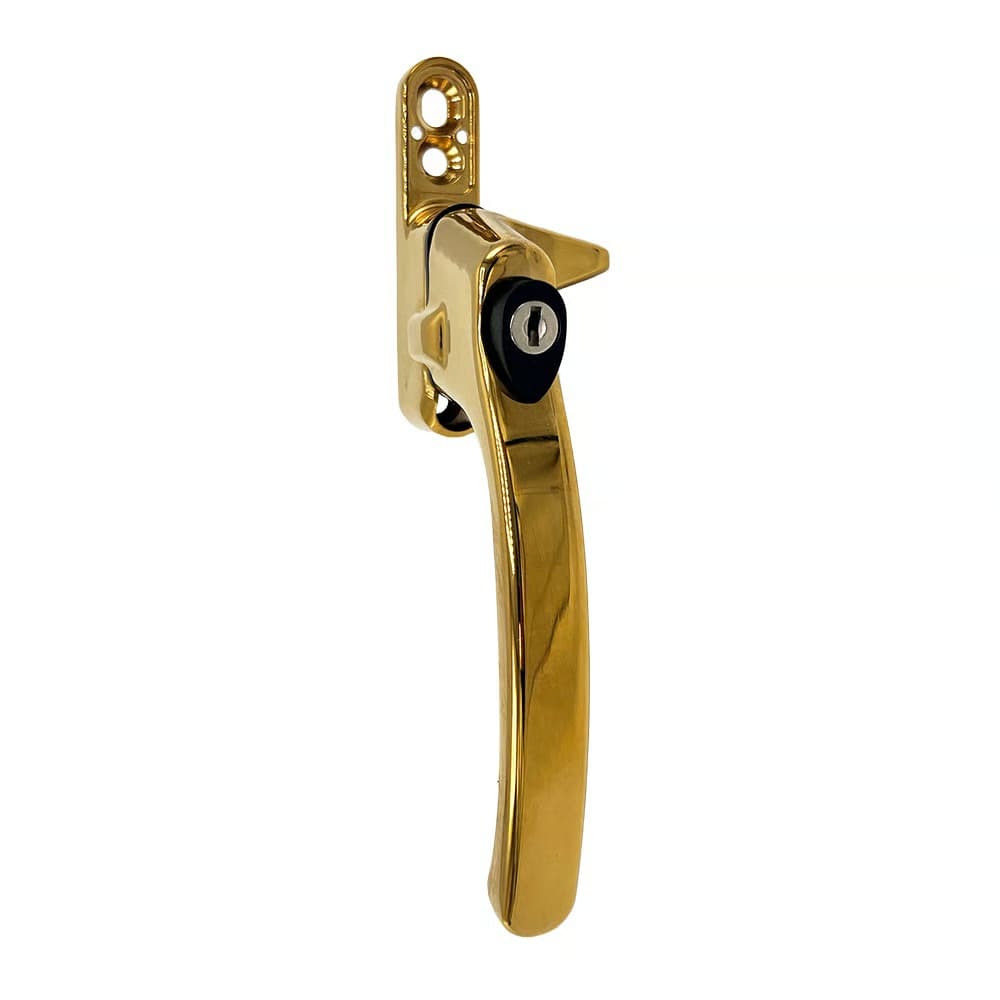
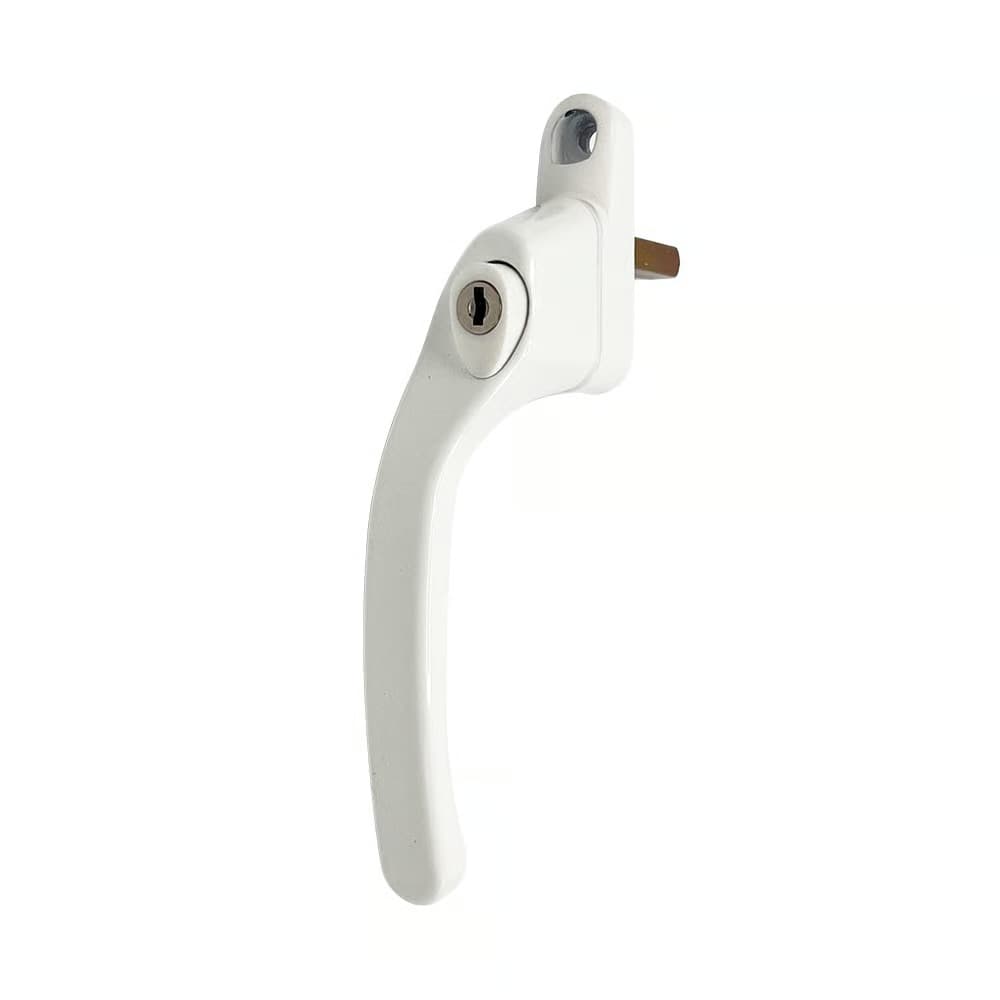
- Cockspur handles: Fit onto the external or internal face of the frame and push against keeps. These are common on timber and some PVCu frames; consider the TSS Cockspur Window Handle for like-for-like replacements.
- Lever/locked handles: Used on tilt-and-turn sashes and some French door styles; the TSS Offset UPVC Window Handles is representative of lockable lever options.
Measure key dimensions precisely
Accurate measurements ensure the replacement handle aligns with screw holes and spindles, avoiding additional drilling or unsightly modifications.- Spindle size: Measure the square spindle thickness (commonly 7mm or 8mm in the UK) and the length from the handle base to the end. Spindle length must engage the lock mechanism fully without binding.
- Screw centres: Measure the distance between the mounting screw holes (centre-to-centre). Common centres include 43mm and 48mm for cockspur handles, but many variants exist.
- Backplate or rose diameter: For handles with a round rose or rectangular backplate, note the diameter or plate size to ensure the cover conceals existing holes.
- Projection and clearance: Measure from the frame to the handle when in the closed position to ensure the handle will not hit reveals, tiles or blinds.
Check handing and fitted orientation
Handing (left or right) affects how the handle rotates and which way the window opens. Determine the handedness by viewing the window from the outside (street side) and noting the hinge position: hinges on the left indicate left-handed opening. Some handles are reversible; others are handed. Specify handedness when ordering handed-specific parts.Match security features and standards
Replacement handles should maintain or improve the window’s security. Look for features and certifications that enhance protection.- Locking handles: Choose lockable handles that accept keys or operate with a thumb-turn. Locking handles deter opportunistic theft and comply with many insurance requirements.
- Security standards: Select handles that meet recognised UK/Northern European standards where applicable (e.g., TS007 for cylinders in door hardware). For handles, check manufacturer claims about attack resistance and test standards.
- Multi-point compatibility: Ensure the handle engages the existing espagnolette or multi-point gear. Some espag handles pair with removable cams or adaptors to suit different gearboxes.
Consider finish, material and durability
A handle’s finish must match the property’s aesthetic and withstand local environmental conditions.- Material: Aluminium, zinc alloy (Zamak) and stainless steel are common. Aluminium and zinc are widely used on uPVC; stainless steel is preferred in coastal locations due to superior corrosion resistance.
- Finish options: White, brown, chrome, satin nickel and black are typical. Powder-coated and electroplated finishes vary in durability—verify manufacturer guarantees against flaking or tarnishing.
- Wear resistance: Tradespeople should opt for handles with robust internal gearings and test ratings for frequent use locations like communal properties.
Compatibility with glazing and hardware
Replacement handles must be compatible with the existing double glazed unit and accompanying hardware.- Espag lengths and gearbox positions: Some espagnolette rods are longer or offset; interchangeable cams or adapters may be needed.
- Keeps and strikes: When switching from a cockspur to a locking espag handle, ensures the frame has compatible keeps or that new keeps are available.
- Sealed unit considerations: Avoid drilling into sealed glass units or aluminium caps. Ensure fixing screws go into frame material rather than glazing bead or glass.
Installation checklist and practical tips
A clear installation plan reduces errors and improves safety.- Remove power tools hazards; use manual screwdrivers for initial removal to avoid stripping heads.
- Remove the old handle and note the orientation of any cams, spacers or washers. Keep old parts until the new handle operates smoothly.
- Test spindle engagement and ensure the handle travels fully through its operating arc without binding.
- Use threadlocker on screws in high-use areas to prevent loosening or choose pan-head screws that sit flush with the backplate.
- For lockable handles, confirm that supplied keys operate freely before fitting all fixings and retain a spare key with property records.
Final checks and maintenance advice
Post-installation checks ensure longevity and function.- Operate the handle several times on both the open and closed cycle to settle components.
- Check that locking mechanisms engage fully and that keeps align correctly.
- Lubricate moving parts with a dry PTFE spray annually; avoid heavy oils that attract dust.
- Record part numbers and supplier details for future replacements.
windowwindow handlesupvc