Replacement Window Handles for Double Glazed Windows: What Matters
Replacement window handles are a small but critical component of double glazed windows, affecting security, operation and appearance. Whether replacing a w...
Replacement window handles are a small but critical component of double glazed windows, affecting security, operation and appearance. Whether replacing a worn handle on a residential sash or fitting new handles during a retrofit, understanding the types, fixings and compatibility issues ensures a smooth, long-lasting repair. This article outlines what matters when selecting replacement window handles for double glazed windows and offers practical guidance for homeowners and tradespeople.
Identify the handle type and mechanism
The first task is recognising the existing handle type and the locking mechanism it operates. Common types for double glazed windows include espagnolette (espag) handles, cockspur handles and tilt-and-turn or multi-point handles. Espag handles engage a metal espagnolette rod and are often used on modern uPVC and composite windows. Cockspur handles latch against the frame and are typical on older uPVC and steel casement windows. Multi-point handles operate a geared mechanism for tilt-and-turn or casement windows.
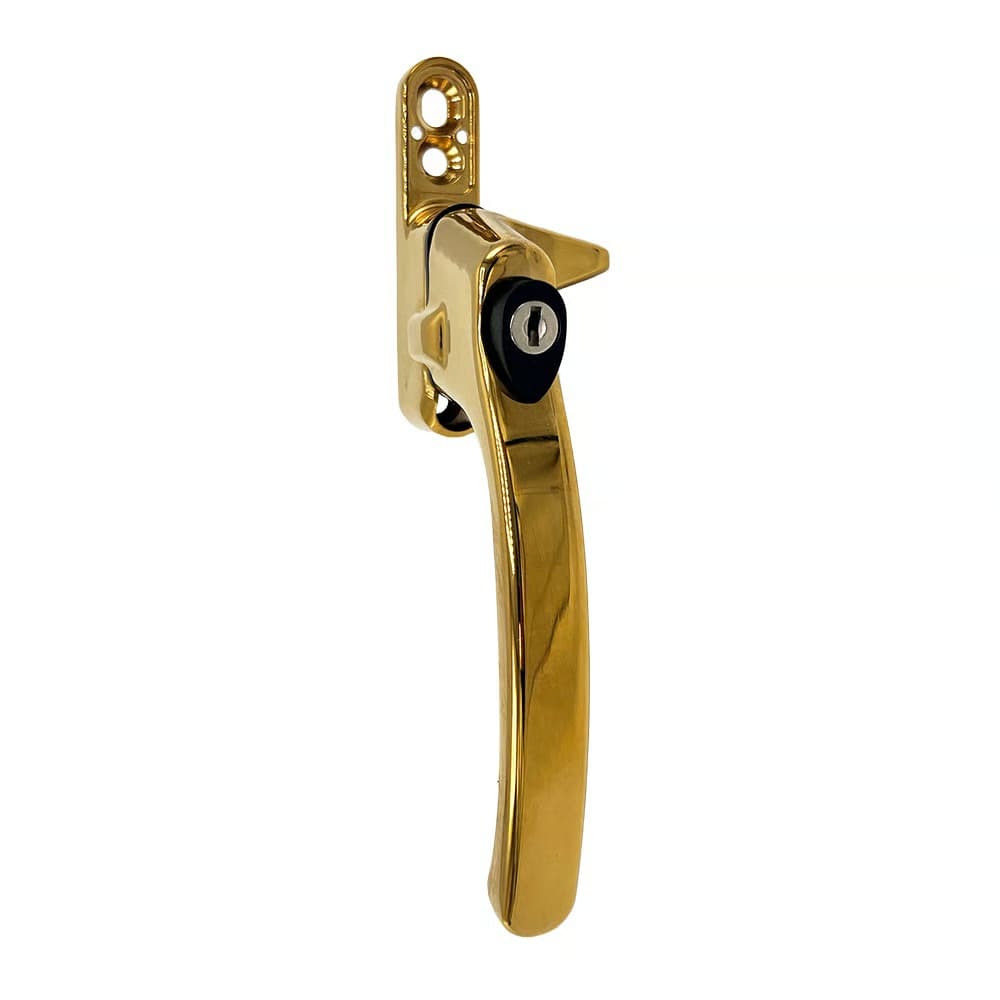
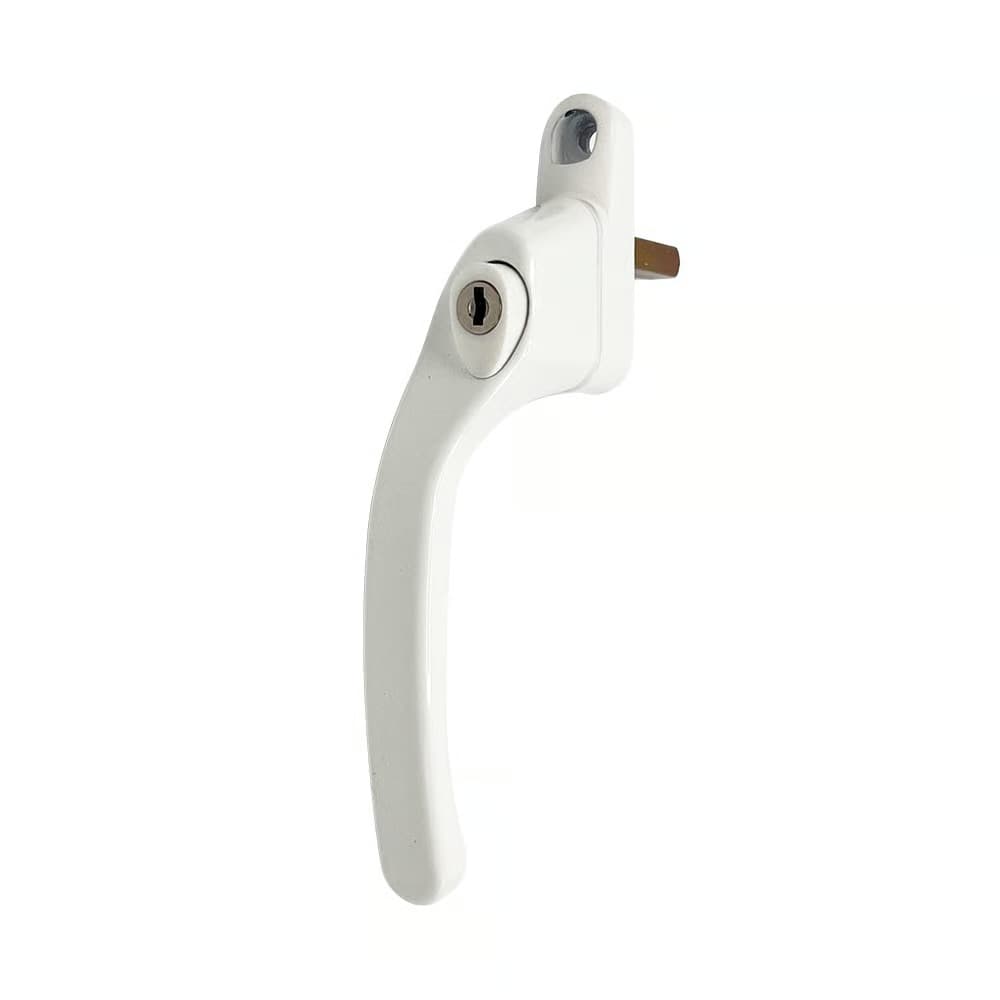
A replacement handle must match the mechanism. For espag fittings, check the spindle length and square profile, along with screw hole spacing. For cockspur handles, note the position and orientation of the spur and the backplate dimensions. Tradespeople should often keep a selection of common handles on vans, such as the TSS Cockspur Window Handles for espag systems and the TSS Cockspur Window Handle for cockspur applications to reduce return visits.
Measure carefully before ordering
Accurate measurements prevent costly returns and delays. Key measurements include:
- Spindle length and profile: remove the existing handle and measure the protruding spindle from the door face to the end. Note the spindle type (square, D-shaped).
- Screw hole centres: measure the distance between fixing screws on the handle backplate. Common centres are 43mm and 92mm, but bespoke windows can vary.
- Backplate dimensions: height and width to ensure the new handle covers any unsightly holes or matches the aesthetic.
- Handle projection and orientation: confirm whether the handle is left- or right-handed and whether it opens inwards or outwards.
Material, finish and durability
Replacement window handles should match the window’s appearance and withstand frequent use and outdoor conditions. Common materials include zinc alloy, aluminium and stainless steel. Zinc alloy offers good value and is commonly used for painted or plated finishes. Stainless steel provides superior corrosion resistance and suits coastal properties where salt air accelerates rusting.
Consider finishes that match existing hardware — white, black, chrome, satin chrome and bronze are typical. For high-traffic doors and commercial installations, choose handles with robust internal mechanisms and long warranty periods. Product specifications should indicate tested cycles; look for items rated for many thousands of operations for peace of mind.
Security features and compliance
Security is a primary concern for replacements on ground-floor glazing. Modern handles often include built-in locks or thumb-turns that secure the handle to the frame. When the window handle is part of a multi-point locking system, ensure the replacement is compatible with the lock case and centre-screw positions. For increased security, select handles designed to resist levering and forced entry.
Where compliance matters — for example in rental properties or for Building Regulations — verify that the handle and associated locking mechanism meet recognised standards. Products from established manufacturers usually provide technical datasheets confirming compatibility with multi-point locks and security performance.
Fixing methods and retrofit tips
Replacement handles typically fit via surface screws, concealed fixings or through-the-frame bolts. For retrofits across different backplate sizes, small adapter plates or cover plates can hide old screw holes and ensure a tidy finish. Tradespeople might fit a packer behind the new backplate where screw centres don’t align exactly to avoid stripping the frame.
When replacing on painted or sealed frames, work gently to avoid damaging seals. Lubricate moving parts with a light machine oil or a specialist window lubricant before fitting a new handle to ensure smooth operation. For espag systems, ensure the espagnolette rod or gearbox is solid and free of damage; a good handle will not rectify a faulty rod.
Maintenance and lifespan
Regular maintenance extends handle lifespan. Clean handles periodically with a mild detergent, rinse and dry. Avoid abrasive cleaners that damage finishes. Apply a small amount of graphite or silicone lubricant to the spindle and key-operated locks annually. Replace worn screw fixings with stainless steel equivalents to prevent corrosion-related failures.
For rental properties, consider fitted handles with key-locking for tenant security and documented maintenance schedules as part of property management systems.
Practical selection checklist
Use this concise checklist when selecting replacement window handles:
- Confirm handle type and mechanism (espag, cockspur, multi-point)
- Measure spindle length, screw hole centres and backplate size
- Choose suitable material and finish for environment and aesthetics
- Ensure security compatibility with the window lock case
- Plan fixing method and whether cover plates are required
- Maintain moving parts after installation
Common mistakes to avoid
Avoid these frequent errors that lead to returns or misfits:
- Ordering by appearance alone without checking spindle profile and length
- Assuming screw hole centres are standard — always measure
- Fitting cheaper handles in coastal locations where corrosion is accelerated
- Neglecting to check compatibility with multi-point locking gears