Replacement Window Handles for uPVC: A Practical Checklist
Replacing worn or damaged window handles on uPVC windows is a common maintenance task for homeowners and tradespeople. A systematic approach reduces wasted...
Replacing worn or damaged window handles on uPVC windows is a common maintenance task for homeowners and tradespeople. A systematic approach reduces wasted time, avoids ordering the wrong parts and ensures secure, smooth operation. The following practical checklist covers measurement, compatibility, removal, replacement and aftercare, plus recommended handle styles and troubleshooting tips.
Before you start: identify the handle type and function
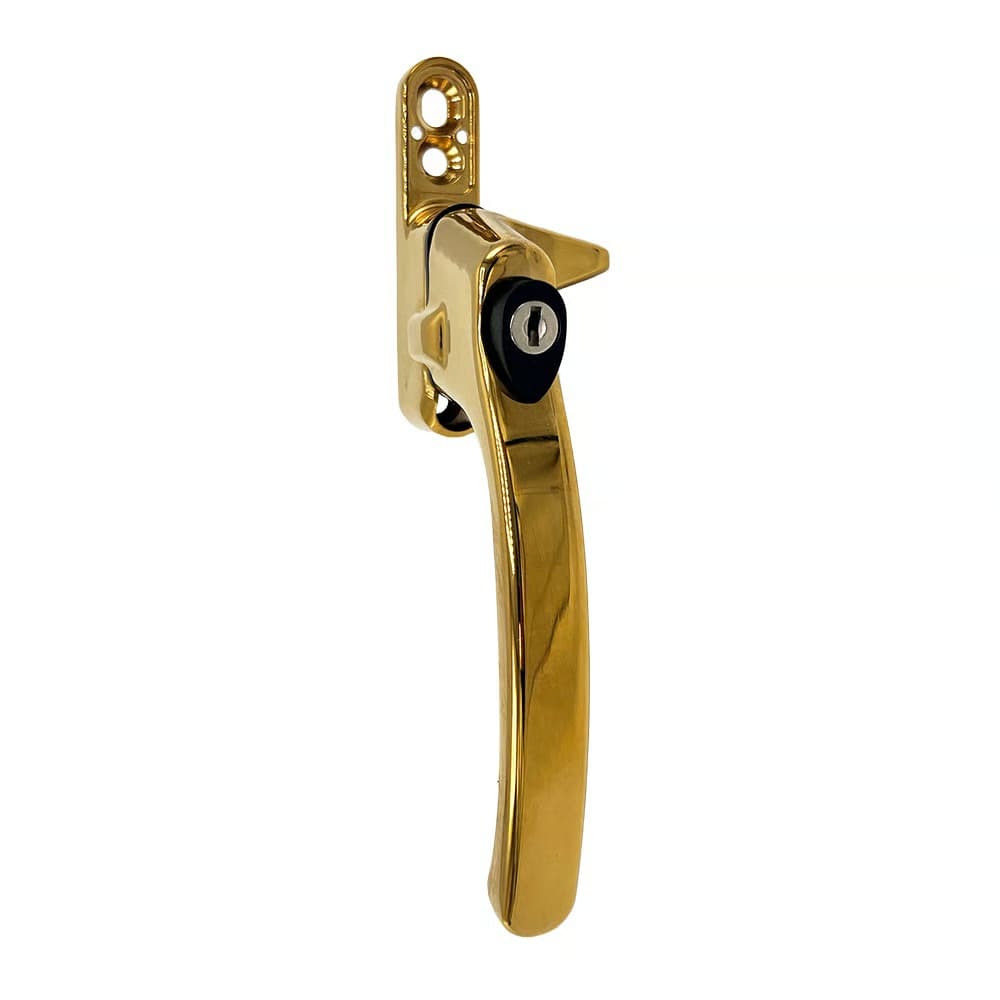
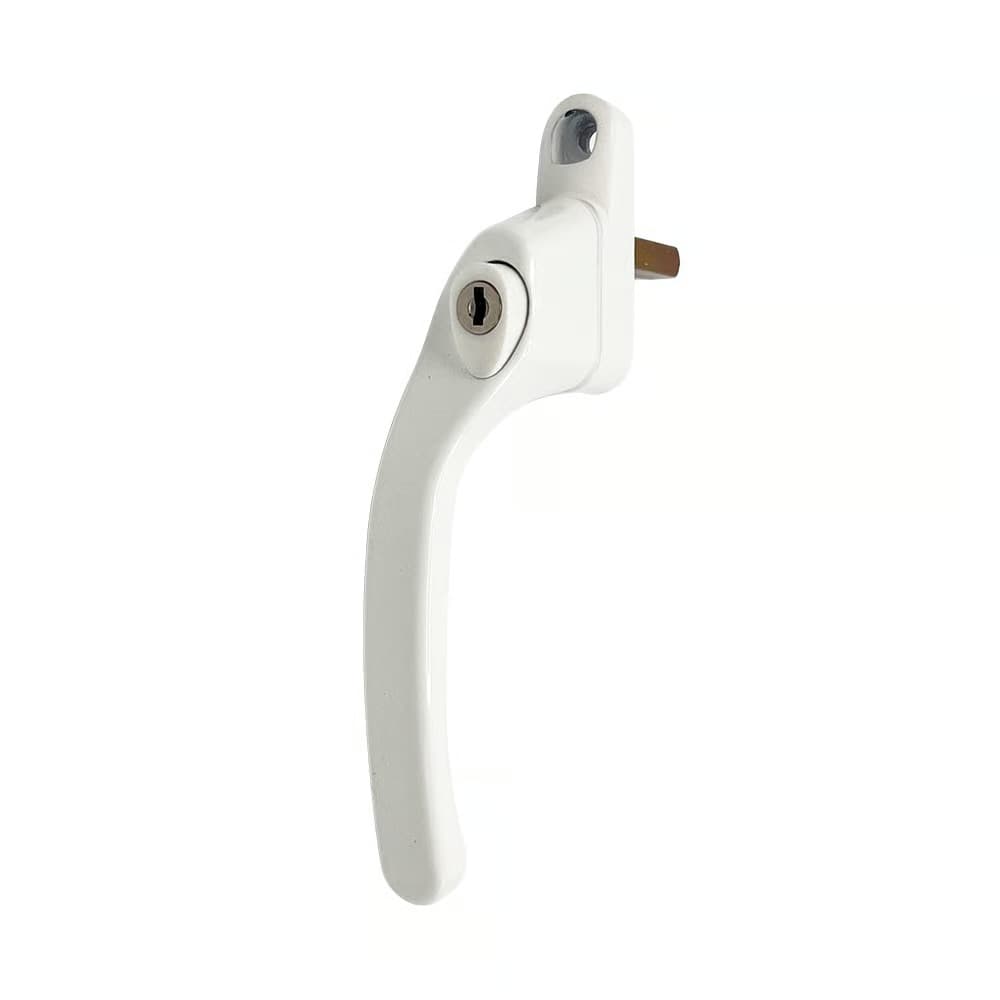
Not all uPVC window handles operate the same way. Identify whether the handle is an espag (espagnolette) handle that operates a multi-point locking mechanism, a cockspur handle that locks against the frame, or a basic sash handle. Note the handle’s handedness (left or right), the fixings used and whether it has a locking cylinder.Recommended options include the contemporary TSS Cockspur Window Handles for espag windows, the traditional TSS Cockspur Window Handle for older casements and the sturdy TSS Offset UPVC Window Handles for general-purpose replacements. Select the style that matches both appearance and function.
Tools and materials to have ready
Prepare the correct tools to avoid damage during replacement:- Phillips and flat-head screwdrivers
- Torx set (common on security handles)
- Tape measure and vernier caliper for accurate dimensions
- Replacement handle and any matching spindle or fixings
- Clean cloth, mild detergent and silicon lubricant
- Masking tape and marker for alignment marks
Measure accurately: the key dimensions
Order handles based on precise measurements:- Backplate length and width: measure the visible plate that sits against the frame.
- Screw hole centres (PZ or fixing centres): measure the distance between the centres of the fixing holes horizontally or vertically as applicable.
- Spindle length and type: measure the square spindle length protruding from the window mechanism. If the spindle is split or non-standard, capture a clear photo for the supplier.
- Handle projection and clearance: ensure the new handle won’t foul the frame or nearby brickwork when operated.
Check locking and security features
Assess whether the handle integrates a lock or is non-locking. For social housing or properties requiring higher security, choose handles with tested features and secure fixings. When replacing a locking handle, confirm whether the key cylinder is interchangeable or supplied with the handle. Use anti-rotation screws and torque limits recommended by the manufacturer to maintain security performance.Removal: safe and damage-free procedures
Follow a consistent removal sequence: 1. Unlock and open the window to access fixings. 2. Remove handle screws and retain them if re-using; place small parts in a labelled container. 3. If a cylinder is present, remove the key and release the cylinder retaining screw before extracting the cylinder. 4. Gently lever off the handle—avoid twisting that can damage the multi-point gearing. 5. Clean the area, remove old sealant or adhesive and inspect the faceplate and frame for damage.Avoid power tools for final screws; overdriving can strip threads in uPVC. If fixings appear seized, apply a penetrating lubricant and wait before attempting removal.
Installation: align, secure, test
Follow these steps for a reliable fit:- Dry-fit the new handle over the spindle and align with screw holes. Use masking tape and a marker to maintain alignment if adjusting.
- Ensure the spindle fully engages with the gearbox; a loose fit causes slop and premature wear.
- Tighten screws alternately and evenly to the manufacturer’s recommended torque to avoid distorting the handle backplate.
- Re-fit the cylinder and test locking function with the key installed and removed.
- Cycle the handle through open, tilt and locked positions several times to check smooth operation and full engagement of the locking points.
Aftercare and maintenance
Good maintenance prolongs life and maintains security:- Clean handles with a mild detergent and soft cloth. Avoid abrasive cleaners and solvents that can damage finishes.
- Apply a small amount of silicon lubricant to moving parts annually; avoid heavy oils that attract dirt.
- Check fixings after the first two weeks of use, as uPVC can settle and allow screws to loosen.
- Replace any worn spindles or gaskets found during installation to prevent accelerated wear.
Common problems and fixes
- Handle feels loose after installation: verify spindle engagement and screw torque. Replace stripped screws or use thread inserts if necessary.
- Handle does not engage the locking mechanism: confirm correct spindle length and orientation; confirm that the gearbox is free of debris.
- Key will not turn: ensure the cylinder is correctly seated and that internal multi-point bolts are aligned. Lubricate the cylinder with graphite if sticky.
- New handle fouls the frame: check projection measurements and consider a low-profile handle option or adjust hinge settings to change sash position.
Sourcing the right replacement
Purchase from reputable suppliers offering clear dimensions and return policies. Tradespeople replacing multiple handles should keep common spindle sizes and a few popular handle styles in stock to reduce site delays. For heritage properties, source handles that match period aesthetics while meeting modern security standards.Final checklist before ordering
- Confirm handle type (espag, cockspur, sash).
- Measure spindle length, screw centres and backplate size in millimetres.
- Check whether a locking cylinder is required and whether it is keyed alike to existing hardware.
- Verify finish and projection to avoid fouling.
- Order a handle with clear installation instructions and compatible fixings.