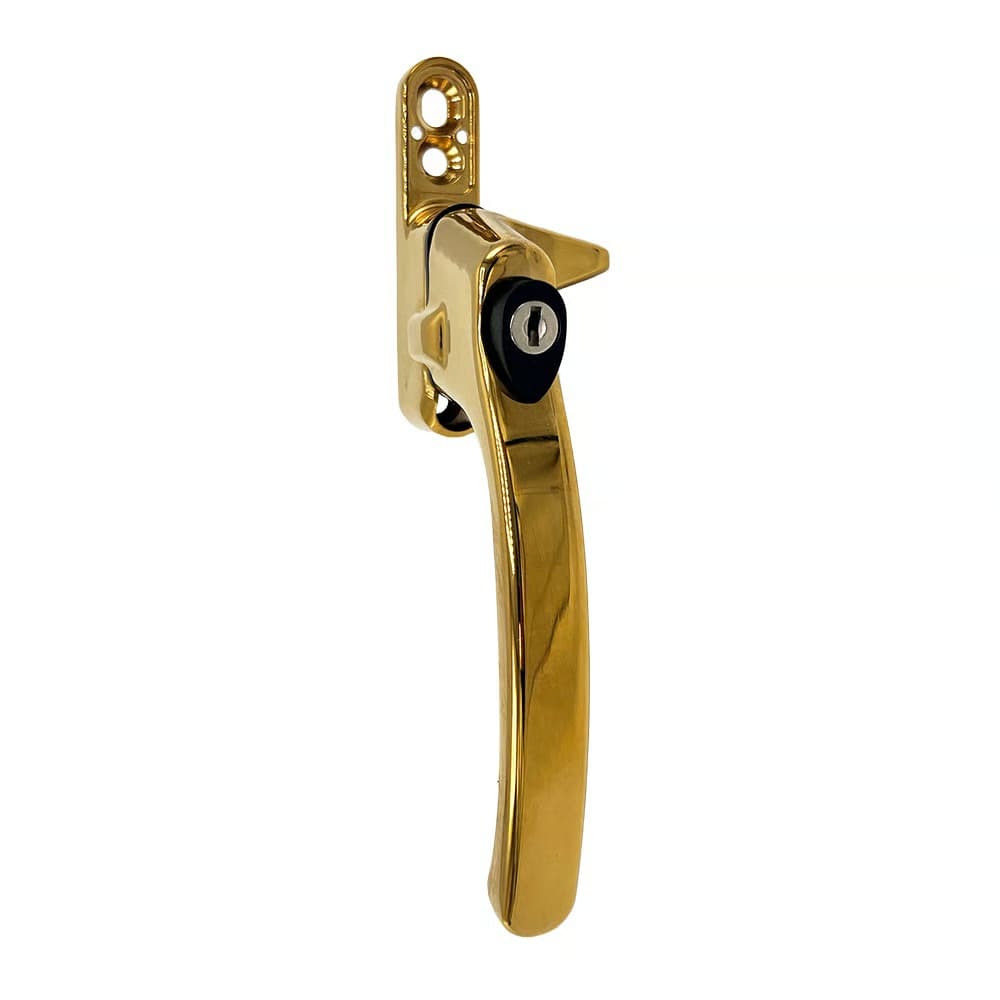
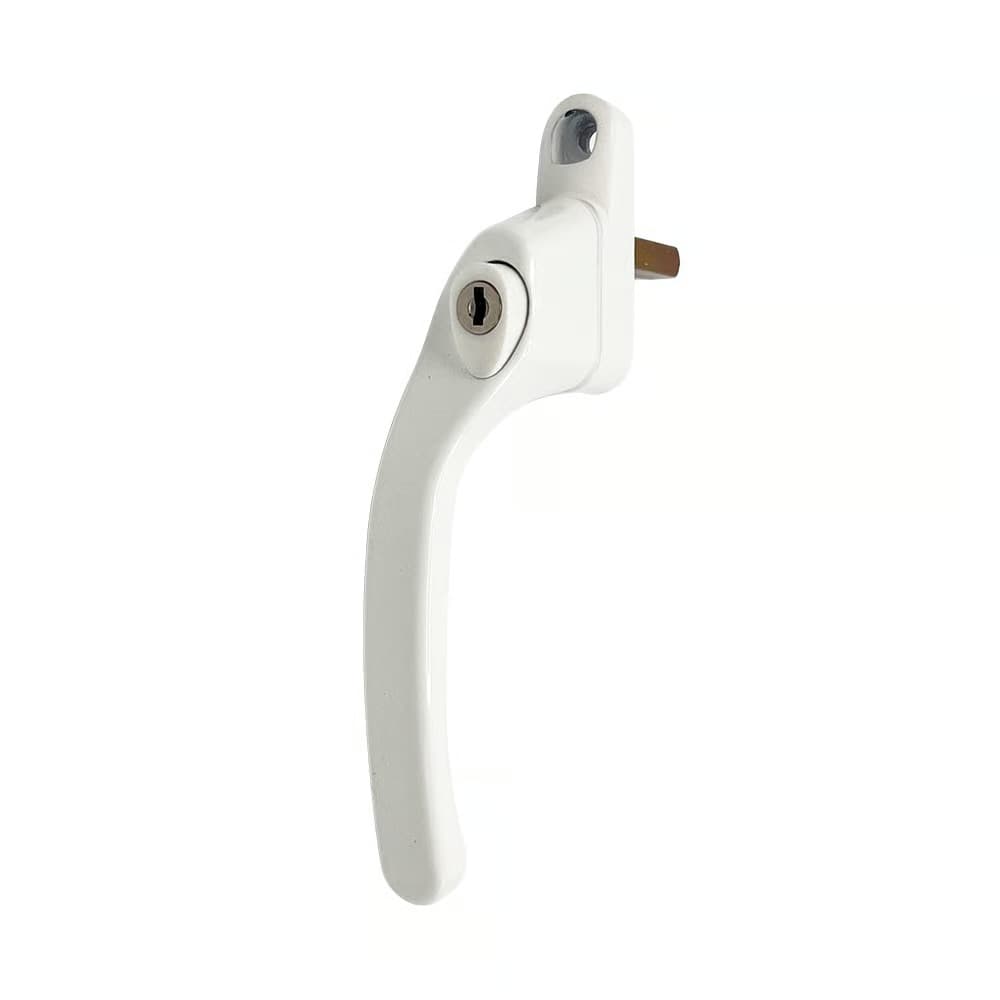
Replacement Window Handles for uPVC Windows: Choosing Spindle Length
Choosing the correct spindle length is one of the most common pitfalls when fitting replacement window handles for uPVC windows. A handle with the wrong sp...
Choosing the correct spindle length is one of the most common pitfalls when fitting replacement window handles for uPVC windows. A handle with the wrong spindle can be loose, prevent the lock from engaging, or cause excessive wear. This guide explains how to measure spindle length, identifies typical lengths and handle types, and provides practical steps for selecting and fitting replacement handles that work reliably.
Why spindle length matters
The spindle is the small square bar that passes through the window handle and into the locking mechanism. Its length determines how far the handle reaches into the lockcase and therefore how effectively the handle operates the gearing. Too short a spindle will not engage the lock fully, resulting in a handle that spins without moving the multi-point mechanism. Too long a spindle can bottom out against the gearbox or protrude, preventing the handle from seating correctly and making it more vulnerable to damage.
The correct spindle length ensures smooth operation, reduces wear on the gearbox, and keeps the handle secure on the window. Matching the spindle length also preserves the aesthetic fit, maintaining flush alignment with the backplate or rose.
Common handle types and their spindles
Different handle types use different spindle arrangements:
- Espag (espagnolette) handles use a square spindle that engages with a gearbox; common on modern uPVC windows.
- Cockspur handles use a threaded shaft and screw/clamp system rather than a square spindle; common on older windows or simple casement units.
- Tilt-and-turn and some specialist handles can use non-standard spindles or bolt-through fixings.
How to measure existing spindle length
Measuring accurately avoids returns and reorders. Use these steps:
1. Remove the old handle. Unscrew the fixing screws and slide the handle off the spindle. Retain screws and any cover caps. 2. Measure the spindle protrusion only. Use a vernier caliper or steel rule to measure the exposed length of the square spindle from the face of the handle backplate or the window face to the tip of the spindle. Do not include any threaded section or the hole in the handle that covered the spindle. 3. Note the spindle profile. Confirm whether the spindle is a plain square, has a grub screw location, or a stepped profile. Most replacement espag handles fit a plain 7mm square spindle, but some use 8mm or non-standard sizes. 4. Check manufacturer specifications on the lock gearbox if the handle is not available to measure. Some gearboxes specify the required spindle length for correct engagement.
Record measurements in millimetres. Typical spindle lengths for uPVC espag handles are often 35mm, 40mm, 45mm and 55mm, but always measure the actual protrusion on site rather than guessing.
Choosing the right spindle length for replacement
Practical selection rules:
- Match the measured protruding length exactly where possible. A one or two millimetre difference may be acceptable, but over-length is riskier than slightly short.
- If the spindle measures to the backplate and the new handle has a similar-thickness backplate, order the same nominal spindle length.
- For handles with separate rose/cover plates, measure to the face of the rose rather than the handle body.
- Consider a slightly shorter spindle when the replacement handle's backplate is thicker than the original; a longer spindle can foul the gearbox.
- When replacing with a different style (for example, switching from a cockspur to an espag), match the locking mechanism type rather than the spindle length alone.
Fitting tips for a secure installation
Follow these practical steps for an effective fit:
- Ensure the spindle is square and undamaged. Worn or rounded spindles reduce torque transfer and can strip the gearbox.
- Clean the area and apply a light smear of PTFE or silicone grease to the spindle and gearbox interface to improve smoothness.
- Align the handle correctly before tightening screws. The handle should sit flush; if it sits proud, re-check spindle length and backplate thickness.
- Use the correct fixings. Many replacement handles include appropriate screws; if not, use short pan-head or self-tapping screws sized to avoid penetrating the frame or gearbox.
- Test operation several times through the full range to verify smooth engagement of the multi-point lock. Check that the handle returns to the central neutral position if applicable.
- For cockspur designs, ensure the threaded shaft engages the clamp correctly and that the grub screw or retaining plate is tightened to the manufacturer torque recommendation.
Troubleshooting common issues
- Handle spins without engaging lock: spindle likely too short or rounded. Re-measure and replace with correct length and profile.
- Handle sits proud or fouls when turned: spindle too long or backplate thickness incompatible. Fit a shorter spindle or use a thinner backplate handle.
- Wobble in handle: check grub screw tightness and condition of spindle; if handle still wobbles, replace both handle and spindle assembly.
- Stiff operation: remove and lubricate the gearbox and spindle; confirm correct spindle alignment.
Final recommendations
Buy quality replacement window handles for uPVC windows that list compatible spindle lengths and provide clear installation instructions. Matching the spindle length precisely is the best way to ensure reliable performance and minimise wear on the locking mechanism. For further guidance on handle types, backplate sizes and fixing patterns, consult the comprehensive Window Handles Guide.