Replacement Window Handles for uPVC Windows: Quick Buyer’s Guide
Replacement window handles for uPVC windows are a small component with a big impact on security, operation and appearance. Whether replacing a worn handle...
Replacement window handles for uPVC windows are a small component with a big impact on security, operation and appearance. Whether replacing a worn handle on a domestic casement window or fitting hardware during a renovation, selecting the correct handle ensures smooth function and maintains compliance with insurance and safety expectations. This guide explains what to check, which types suit different windows, fitting considerations and practical tips for choosing the right replacement window handles for uPVC windows.
Identify the handle type and fixing method
Start by identifying the existing handle style. Common types for uPVC windows include espagnolette (espag) handles, cockspur handles and tilt-and-turn styles. Each has a specific fixing method and spindle arrangement:
- Espag handles use a square spindle and secure with two screw holes; often found on modern casement windows.
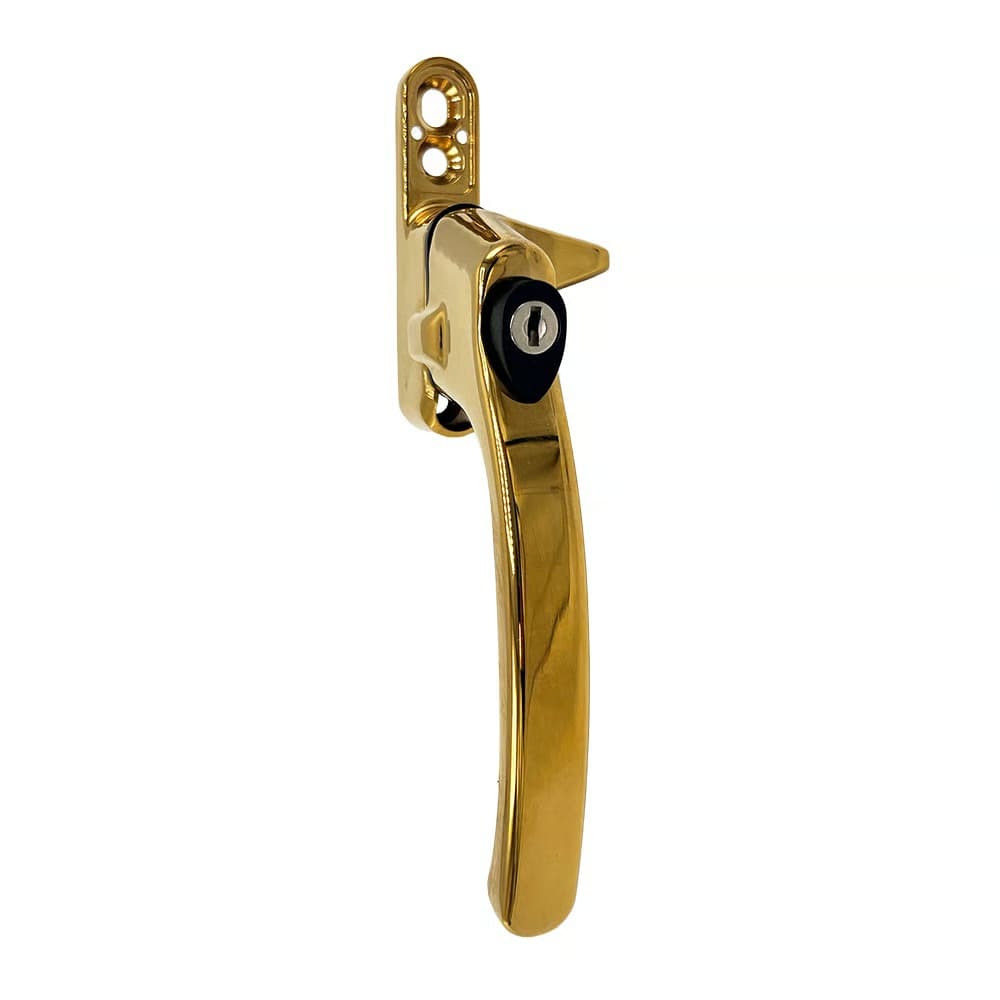
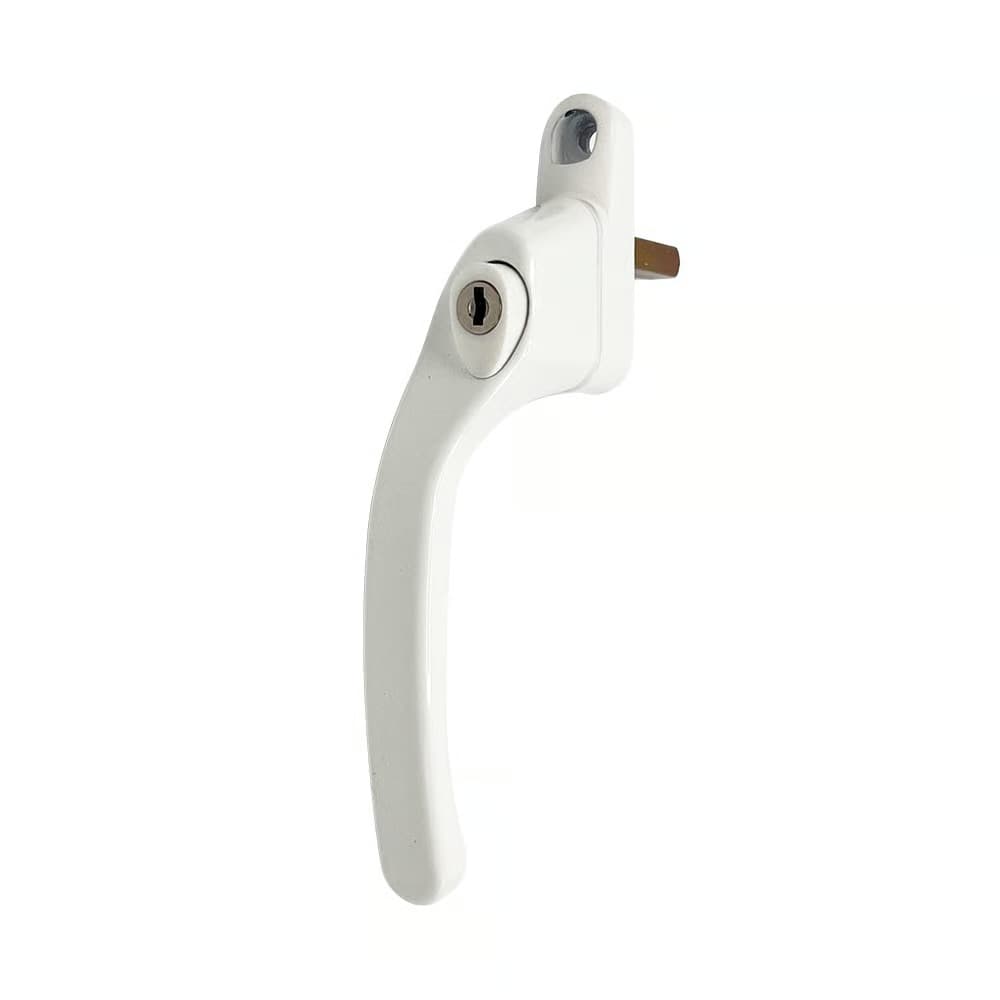
- Cockspur handles have a single screw and a projection that fastens to the frame, common on older uPVC windows.
- Tilt-and-turn handles are typically used on inward-opening mechanisms and may integrate with an outer locking mechanism.
Choosing the right locking mechanism and security features
Security ratings and multi-point locking compatibility are critical for replacement window handles for uPVC windows. Handles with internal locking, key-lock options or anti-snap features increase resistance to forced entry. For standard modern uPVC casements, espag handles with positive locking are a practical choice. Tradespeople and homeowners seeking enhanced security should consider handles that specifically state compliance with recognised security standards.
For example, the TSS Cockspur Window Handles combines a robust internal mechanism with a design that suits most espag windows, making it a reliable replacement option where security is a priority.
Material, finish and colour matching
uPVC windows are available in white, woodgrain and customised colours. Replacing a handle with one that matches the frame preserves the property’s aesthetics and can affect perceived value. Common finishes include white, chrome, silver and bronze. Consider corrosion-resistant materials, especially for coastal properties where salt air accelerates wear.
When replacing multiple handles across a property, buy all handles from the same batch to ensure uniform finish. Where exact matching is difficult, choose a neutral finish such as white or brushed chrome that complements the window frames and existing hardware.
Practical fitting considerations
For a successful DIY replacement, gather the correct tools: screwdriver set, tape measure, small torch and abrasive pad to clean screw holes. General fitting steps:
1. Remove the old handle by locating and unscrewing fixing screws. For cockspur types, loosen the grub screw or remove the central bolt. 2. Measure the spindle and alignment with the locking mechanism. If the spindle is too short, adjust or replace it; many replacement handles come with a range of spindle options. 3. Clean the mating surfaces and check that screw holes are sound. Replace damaged frame screws with appropriate long coach screws to ensure a secure fixing into the frame. 4. Fit the new handle by aligning the spindle and securing screws. Operate the handle through its full travel to ensure smooth action and that the locking points engage correctly.
When replacing handles on windows that require specific torque or sequence for lock engagement, test several cycles and make micro-adjustments to the striker plates or keeps if the handle feels stiff or does not latch.
Special cases: stuck or corroded mechanisms
Stiff or seized handles often indicate a seized espag bar or corroded gearbox. Replacing the handle alone may not resolve the issue if the underlying mechanism is compromised. Examine the espag bar for deformation, rust, or broken followers. In many cases replacing the handle plus the espag mechanism provides a long-term solution. Tradespeople should consider removing the glazing beads and inspecting the mechanism for wear before fitting a new handle.
For older windows with worn keeps, replace or pack out keeps to ensure correct alignment. A misaligned keep can cause the handle to overstrain and fail prematurely.
Choosing between key-locking and non-key-locking handles
Key-locking handles add a level of security by preventing operation from the inside when locked, useful for ground-floor rooms or homes with young children. Non-key-locking handles are simpler to operate and suitable for rooms where quick egress is essential, such as bedrooms. Consider the balance between security requirements and safety regulations — egress in an emergency must not be obstructed. Select handles that meet local building and fire safety expectations.
The TSS Cockspur Window Handle is an economical choice for traditional sashes, providing straightforward operation and easy installation where older cockspur fittings are present.
When to involve a professional
Simple handle replacements can be completed by competent DIYers, but call a professional when:
- The locking mechanism or espag bar is damaged or corroded.
- There is uncertainty about security or compliance with insurance requirements.
- Multiple windows require coordinated replacement to ensure consistent operation and appearance.
Final checks and maintenance
After fitting replacement window handles for uPVC windows, perform these checks:
- Confirm smooth operation across the full travel and secure engagement of all locking points.
- Ensure all screws are tight but not over-torqued to avoid stripping the frame.
- Test key action if fitted, ensuring keys turn easily and lock/unlock reliably.
- Apply a light silicone spray to moving parts annually to reduce wear and maintain smooth operation.
Replacement window handles for uPVC windows are a cost-effective way to improve security, restore function and refresh the appearance of windows. Correct identification, careful measurement and consideration of security features lead to the best outcomes. For further detail on selecting the right handle type and compatible fittings, consult the comprehensive guide: Window Handles Guide