Replacement Window Handles for uPVC Windows: Troubleshooting Locking
Replacement of a faulty or worn handle is one of the most common repairs for uPVC windows. This guide explains how to diagnose locking problems, choose the...
Replacement of a faulty or worn handle is one of the most common repairs for uPVC windows. This guide explains how to diagnose locking problems, choose the correct replacement, and fit a new handle safely. It is written for homeowners and tradespeople who need clear, practical steps to restore secure, smooth operation to uPVC windows.
Common causes of locking problems
Locking faults often originate from components other than the handle, but the handle is the most visible symptom. Typical causes include:
- A stripped spindle or worn gearbox inside the handle that prevents the spindle from turning the espagnolette or locking mechanism.
- Loose handle fixings or a snapped mounting boss causing play.
- Misaligned keeps or locking points in the frame so the locking cams or hooks no longer engage.
- Corrosion, debris or dried lubricant in the locking mechanism restricting movement.
- Wrong handle type or spindle length after a previous replacement.
Identify the handle type and measurements
Before buying a replacement handle, confirm the handle type and key measurements:
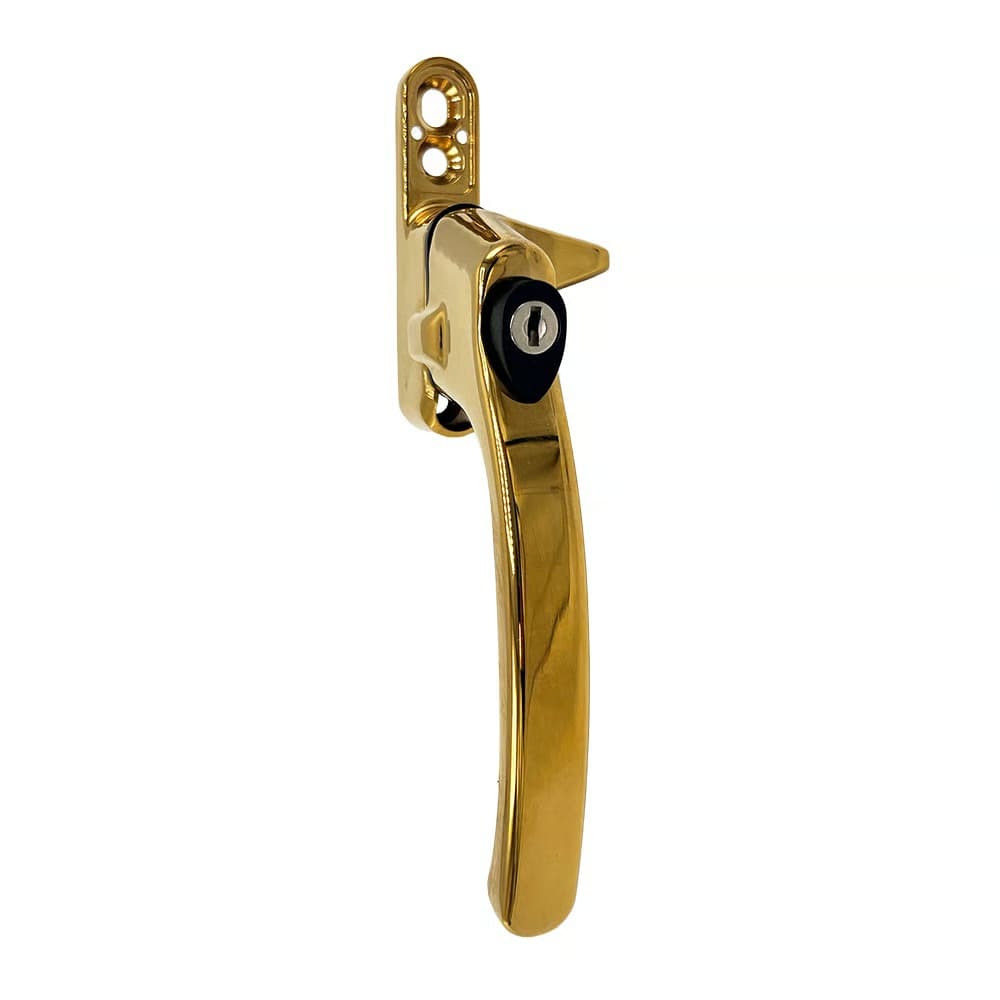
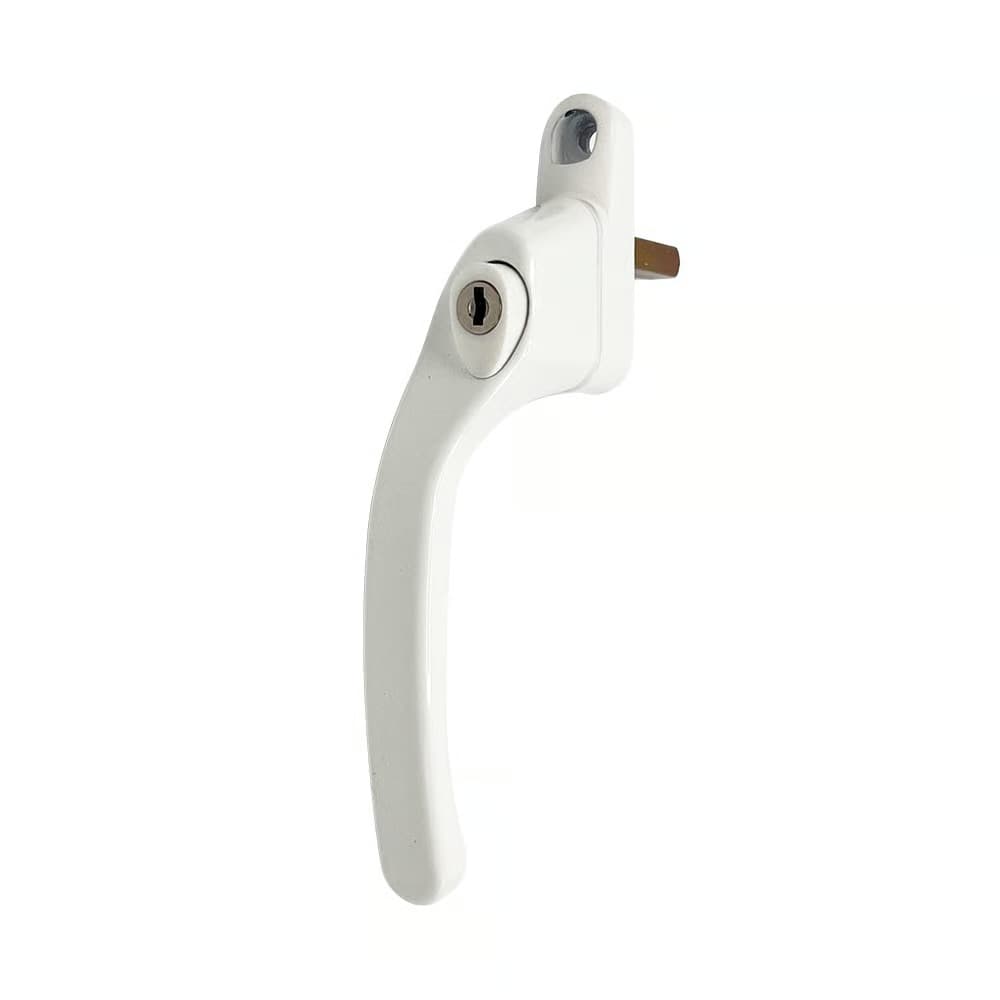
- Handle type: espag/espagnolette drive, cockspur, or push-to-lock designs are common. Contemporary casement and tilt-and-turn windows typically use espag handles; older windows may use cockspur handles.
- Spindle size: measure the spindle thickness (commonly 7mm or 8mm) and length from the handle face to the end. A too-short spindle will not reach the mechanism.
- Screw centre (fixing holes): measure the distance between the two mounting screws on the handle rose (often 43mm or 52mm).
- Handing: reversible handles fit left or right windows, but confirm direction of operation if the handle is handed.
Troubleshooting before replacement
Carry out simple checks to confirm a new handle is needed: 1. Tighten the existing handle fixings — use the correct size screwdriver or Torx to avoid camming out the screw head. Loose fixings often cause wobble that mimics a failed handle. 2. Lubricate the spindle and visible gearbox with a light machine oil or silicone spray. Operate the handle several times to force the lubricant into the mechanism. 3. Check frame keeps and striker plates for alignment or wear. If locks are not engaging, adjust keeps (usually slotted) before replacing the handle. 4. Inspect the spindle for damage or wear where it enters the gearbox. A visibly round or deformed spindle seldom engages properly.
If the handle still slips on the spindle, the internal gearbox is likely failed and the handle should be replaced.
Removing and fitting a replacement handle
Tools required: screwdriver set (flat, Phillips, Torx), Allen keys (if needed), tape measure, light oil, cloth, and replacement handle.
Removal:
- Fully close the window and set the handle to the neutral or closed position.
- Remove the handle fixings. Some designs have a concealed grub screw beneath a cover — gently prise off the cover to access it.
- Pull the handle straight off the spindle. For seized handles, apply a little penetrating oil and work gently to avoid breaking the rose.
- Clean the spindle and rose area, remove debris and old grease.
- Check the replacement handle’s spindle length and orientation before sliding it on.
- Fit the handle onto the spindle, ensuring the spindle engages squarely with the gearbox. Do not force angled engagement.
- Tighten the fixing screws without over-torquing. Excessive force can strip plastic bosses within the handle.
- Test operation through the full travel to confirm smooth action and correct locking.
Security and standards
Choose handles with high-security features where appropriate: key-locking handles, anti-snap technology, and tested products that contribute to PAS24 or Secured by Design compliance. A key-locking handle adds protection when windows are accessible from ground level or a flat roof.
When to replace more than the handle
Persistent issues such as bent espagnolette rods, broken rollers, or a seized gearbox within the sash may require replacement of the espag mechanism or the whole locking gear. Tradespeople should assess whether individual parts are serviceable or whether a full renewal is more cost-effective.
Practical maintenance tips
- Periodically clean and lightly lubricate moving parts (every 6–12 months) to prolong life and maintain smooth locking.
- Avoid using aggressive spray lubricants that attract dust; a silicone-based spray is preferred for uPVC.
- Replace worn handles promptly; continuing to use a slipping handle can damage the spindle or locking rod, increasing repair costs.
When to call a professional
Call a glazing or window specialist if:
- The espagnolette rod is broken or detached inside the frame.
- There is significant sash or frame distortion affecting alignment.
- Locks fail despite a new handle and aligned keeps.