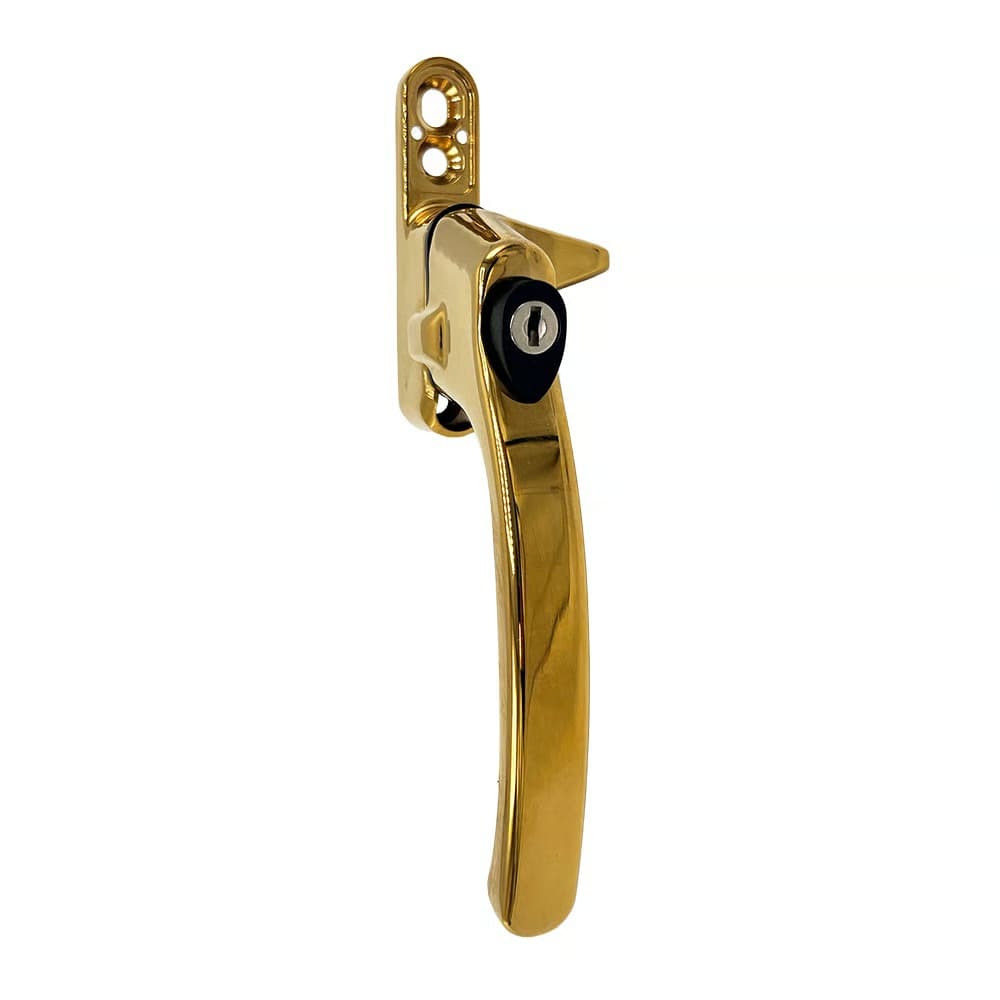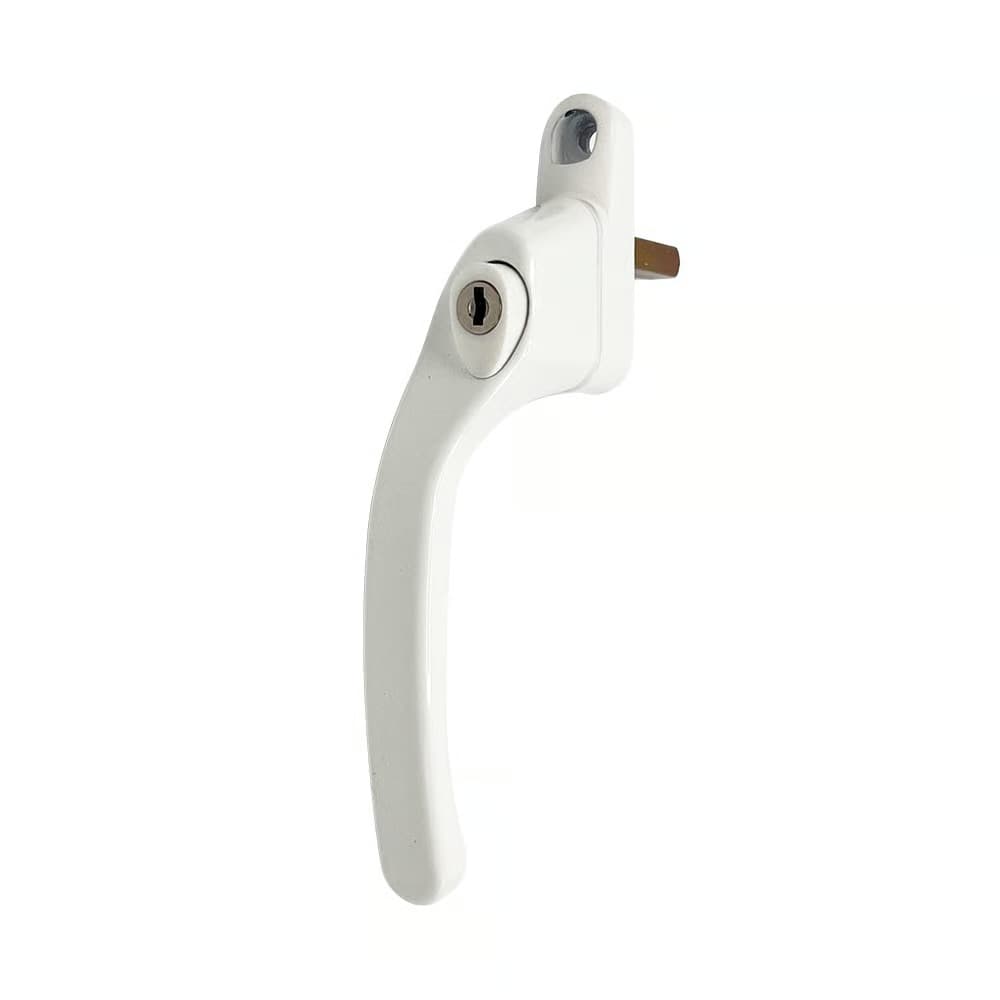
Replacement Window Handles for uPVC Windows: When to Replace Gearbox
Replacement window handles for uPVC windows require practical assessment to decide whether to replace just the handle, the gearbox, or the entire locking m...
Replacement window handles for uPVC windows require practical assessment to decide whether to replace just the handle, the gearbox, or the entire locking mechanism. This article explains when gearbox replacement is appropriate, how to diagnose common faults and the steps for a safe, cost-effective repair. The guidance suits homeowners and tradespeople and covers measurements, tools and compatibility to reduce wasted time and parts.
How uPVC window handles and gearboxes work
A typical uPVC window uses a handle that operates a gearbox or spindle which in turn drives the locking mechanism — espagnolette gearboxes on tilt-and-turn or casement windows, and cockspur or peg gear for simpler casements. Wear can occur in the handle, the gearbox teeth, the spindle or the keep on the frame. Understanding where the failure is located makes the repair straightforward and avoids needless replacement.
Common signs that indicate gearbox problems
- The handle rotates freely or slips without moving the locking bolts — gearbox teeth stripped or worn.
- Handle moves but locks only intermittently — partial gear failure or loose screws.
- Window won’t latch fully or there is excessive play in the handle — worn spindle or gearbox eccentricity.
- Handle is loose on the spindle even when screw is tight — stripped internal gear or broken grub screw.
- Corrosion, metal shavings or noise when operating — evidence of internal wear.
Inspect before buying replacement parts
1. Remove the handle: lock the window in the closed position, open the screw cover on the handle, and unscrew the retaining screw. Pull the handle off the spindle to reveal the gearbox or spindle condition. 2. Check the spindle: a square spindle should be undamaged. If the spindle is rounded or missing corners, it may be the root cause. 3. Examine the gearbox: look for broken or missing teeth, metal shavings, and play in the mechanism. 4. Identify the type: determine whether the window uses an espagnolette gearbox, cockspur, or peg/arm mechanism, as this dictates compatible replacements. 5. Measure key dimensions: spindle length and size, backset (distance from frame face to centre of handle), and screw positions for cover plates. Note left- or right-handed operation.
When to replace the gearbox versus the handle
- Replace the handle only when the handle body, latch or locks are damaged but the gearbox and spindle operate correctly.
- Replace the gearbox when internal teeth are worn, the handle spins freely, or the gearbox is corroded. For many uPVC windows, removing the gearbox and refitting a new one restores full locking function.
- Consider replacing the entire handle-gearbox assembly if the gearbox is riveted in, the handle and gearbox are integrated, or if multiple components show wear. A full assembly replacement is often quicker and more reliable when parts are aged.
Tools and parts checklist for gearbox replacement
- Screwdrivers (Pozidriv and flat)
- Torx set (check screw heads)
- Hex keys for grub screws
- Replacement gearbox or handle assembly
- Spindle of correct size (if required)
- Lubricant (graphite or suitable light grease)
- Cleaning cloth and wire brush for corrosion
- Rivet gun if gearbox is riveted (or alternative method specified by manufacturer)
- Locksafe or supplementary security fixings if upgrading
Step-by-step gearbox replacement (practical guide)
1. Remove the handle and unscrew the gearbox cover plates. Keep screws organised. 2. Note orientation and position of gearbox components and locking bolts; photograph alignment for reference. 3. Slide out the gearbox or unscrew the gearbox retaining screws. Some gearboxes are secured by rivets — replace with equivalent fixing or use a rivet if supplied with the new part. 4. Clean the cavity and remove corrosion. Inspect keeps and striker plates for wear; replace if necessary to ensure proper engagement. 5. Fit the new gearbox, align to match the locking bolt positions and ensure the spindle engages squarely. 6. Lightly lubricate moving parts. Refit handle and test operation through full travel; ensure the window locks smoothly without binding. 7. Check locking from both inside and outside (if sash access permits) and adjust striker plates if required.
Compatibility and ordering tips
- Match spindle size and length exactly; common sizes include 7 mm square and 8 mm square. A wrong spindle prevents correct engagement and may damage the new gearbox.
- Confirm left or right hand sash configuration when ordering espag gearboxes; many are handed.
- Where possible, order a handle-gearbox kit for older windows to simplify installation and ensure compatibility.
- Keep a spare handle on site when fitting multiple windows to reduce downtime for tradespeople.
Maintenance to extend service life
- Lubricate moving parts annually with a light grease suitable for locks.
- Keep windows and keeps clean to prevent premature wear.
- Operate handles gently and avoid excess force during winter swelling.
- Replace worn keeps promptly to avoid gearbox overloading.