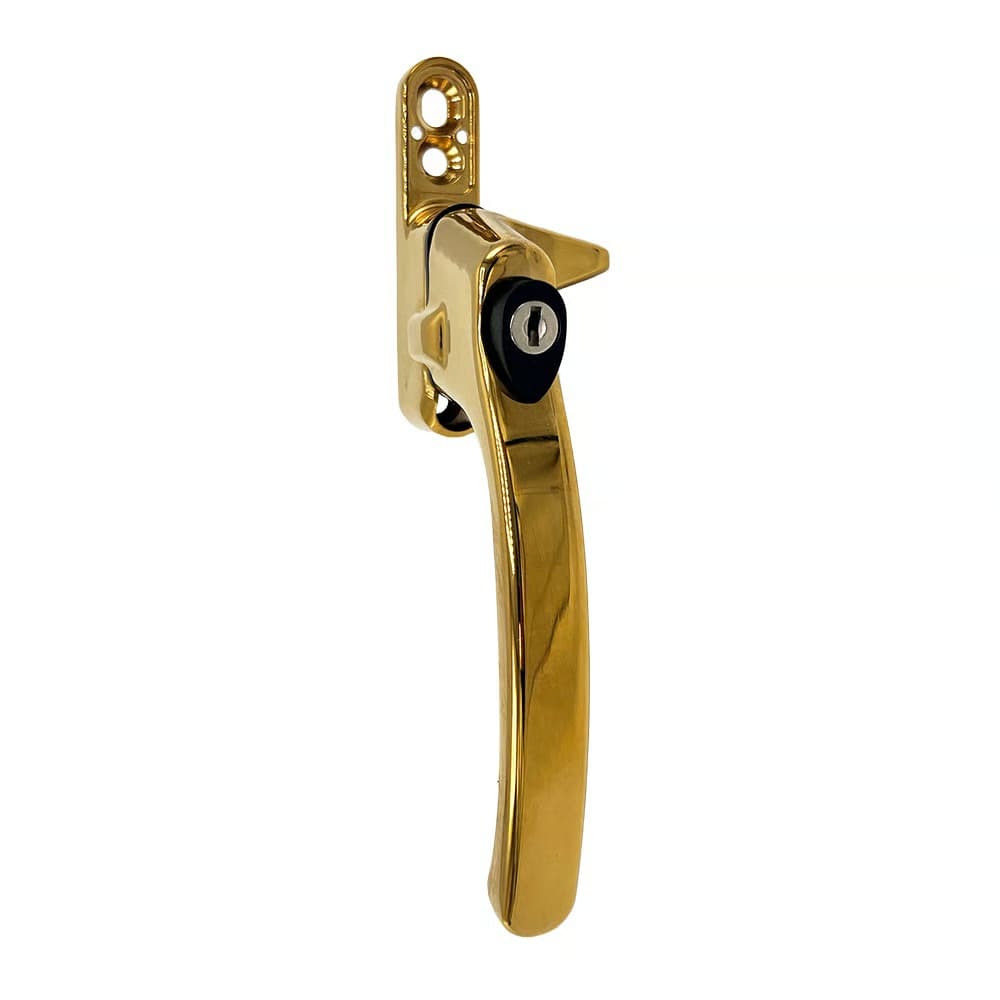
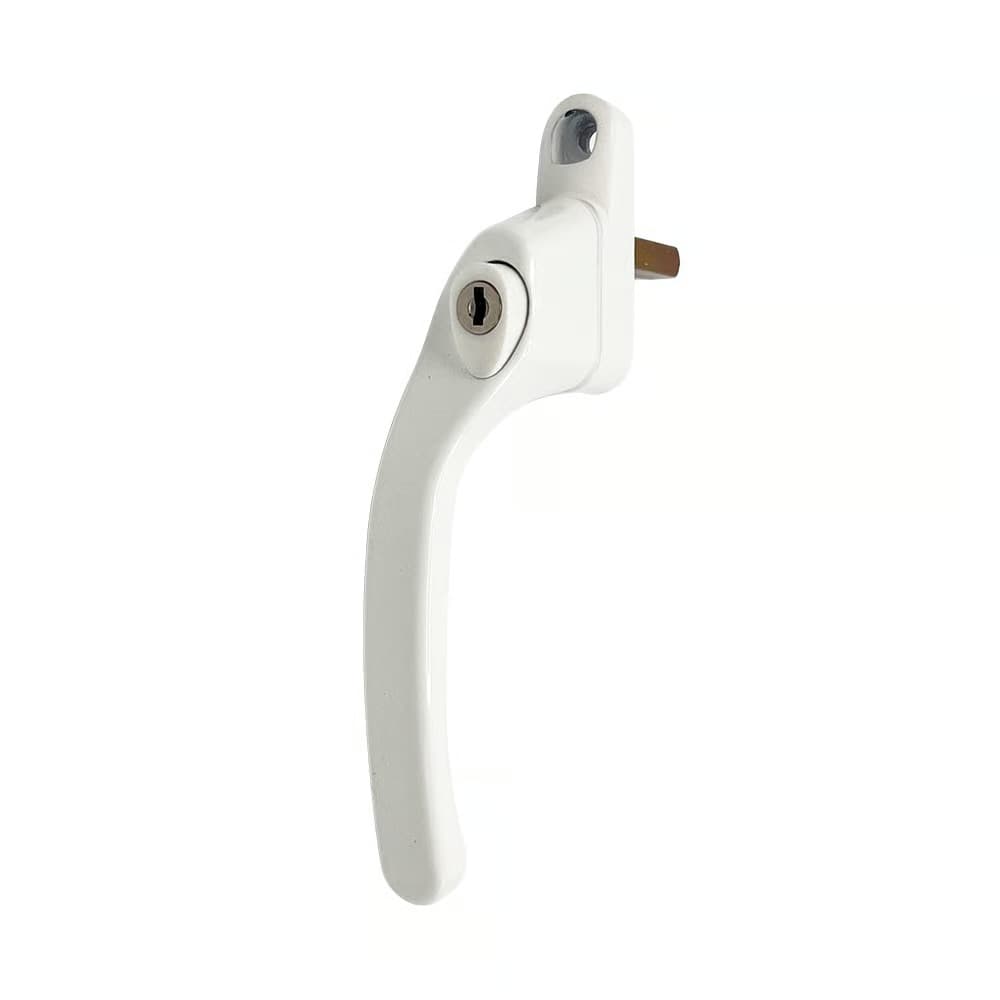
Replacement Window Handles for uPVC Windows: Why Handles Go Loose
Replacement window handles for uPVC windows are one of the most common items homeowners and tradespeople need during routine maintenance or repair. Handles...
Replacement window handles for uPVC windows are one of the most common items homeowners and tradespeople need during routine maintenance or repair. Handles gradually loosen or fail because of wear, incorrect installation, or stresses transferred from the locking mechanism and hinges. This article explains why handles go loose, how to diagnose the root cause, and practical steps to tighten or replace them correctly to restore security and smooth operation.
Why uPVC window handles loosen
Several mechanical and environmental factors contribute to loose window handles:
- Repeated use: Daily opening and closing puts cyclic load on the spindle and fixing screws, eventually wearing screw threads or the handle hub.
- Misalignment: Settling frames or sagging hinges change the geometry, causing the handle to bear lateral loads rather than smooth rotational force.
- Incorrect fasteners: Short or stripped screws and unsuitable thread engagement in soft uPVC create play.
- Damaged spindle or gearbox: A worn or rounded spindle, or an issue with the espagnolette gear, allows handle movement even when screws are tight.
- Corrosion and debris: Salt air, dirt and paint build-up impede proper engagement and accelerate wear.
- Poor original installation: Over-tightening can strip threads, and under-tightening allows progressive loosening.
Quick diagnosis steps
A systematic check prevents unnecessary replacement:
1. Visual inspection: Remove dust and paint around the handle, then check for cracked or deformed handle hubs. 2. Test screw integrity: Open the handle and locate the two face-fix screws. If the screw heads spin without tightening, the thread in the frame may be stripped. 3. Check spindle fit: Pull the handle away gently while operating. Excessive movement with no resistance indicates worn spindle or internal gearbox issues. 4. Assess frame alignment: Operate the window and observe whether it binds or requires force — hinge or locking point problems often transfer stress to the handle. 5. Inspect for corrosion: Look for rust or seized components that could be causing stiffness and jerkiness.
Simple repairs for homeowners
Many loose-handle problems are straightforward to fix with basic tools:
- Tighten fixing screws: Use the correct screwdriver and torque the screws firmly, but avoid over-tightening into uPVC. If screws keep loosening, replace them with slightly longer or thicker stainless steel screws for better purchase.
- Replace worn screws and bushes: If the frame’s thread is stripped, fit a plastic or metal insert (thread repair kit) to restore engagement.
- Lubricate moving parts: A light silicone spray or dry PTFE lubricant on the spindle and locking keeps movement smooth without gumming up.
- Check and replace the spindle: Standard spindles are inexpensive and can be swapped while keeping the existing handle if the hub is serviceable.
- Use anti-rotation plates: Small steel plates behind the handle prevent the hub wearing the uPVC when torque is applied.
When to replace the handle
Replacement is recommended when:
- The handle body is cracked, deformed or the hub is visibly worn.
- The spindle is rounded and cannot be tightened.
- The internal locking gearbox is failing and handle movement no longer operates the lock rods effectively.
- Cosmetic or security upgrades are needed.
Practical replacement checklist (tools and measurements)
Tools:
- Cross-head and flat screwdrivers
- Torx set (some handles use Torx fixings)
- Tape measure and vernier caliper
- Replacement screws and spindle
- Silicone lubricant and thread repair kit
- Small clamp or helper for holding the window sash
- Spindle length and square section dimension (typically 7mm or 8mm square)
- Distance between fixing screw centres
- Backset and handle projection to avoid interference with frames or beads
- Handing (left or right) determined by looking at the hinge side from outside
Advice for tradespeople
Tradespeople should adopt a methodical approach: diagnose locking mechanisms first, then replace peripheral parts. Use threadlocker sparingly on metal-to-metal fixings and consider self-tapping screws designed for uPVC with appropriate head profiles to avoid countersinking. For properties with recurring failures, assess the window geometry and hinge wear; repeat handle replacements without addressing frame alignment are short-term fixes. Keep a stock of commonly used spindles and backplates to reduce call-out times.
Maintenance to prevent recurrence
Regular maintenance reduces the chance of handles loosening:
- Clean and lubricate handles and locking points every 6–12 months.
- Check and tighten fixing screws during annual window service.
- Ensure paint or sealant does not obstruct handle movement or fixings.
- Address hinge or locking point wear promptly to avoid transferring loads to handles.