Replacement Window Handles: How to Find the Right Fit
Replacement window handles are a small but significant component of any property’s security, appearance and operation. Choosing the right replacement windo...
Replacement window handles are a small but significant component of any property’s security, appearance and operation. Choosing the right replacement window handles ensures smooth opening, reliable locking and an aesthetic match to frames and fittings. This guide explains how to identify the correct type, measure for fit, check locking mechanisms and select durable finishes, with practical steps for both homeowners and tradespeople.
Identify the handle type
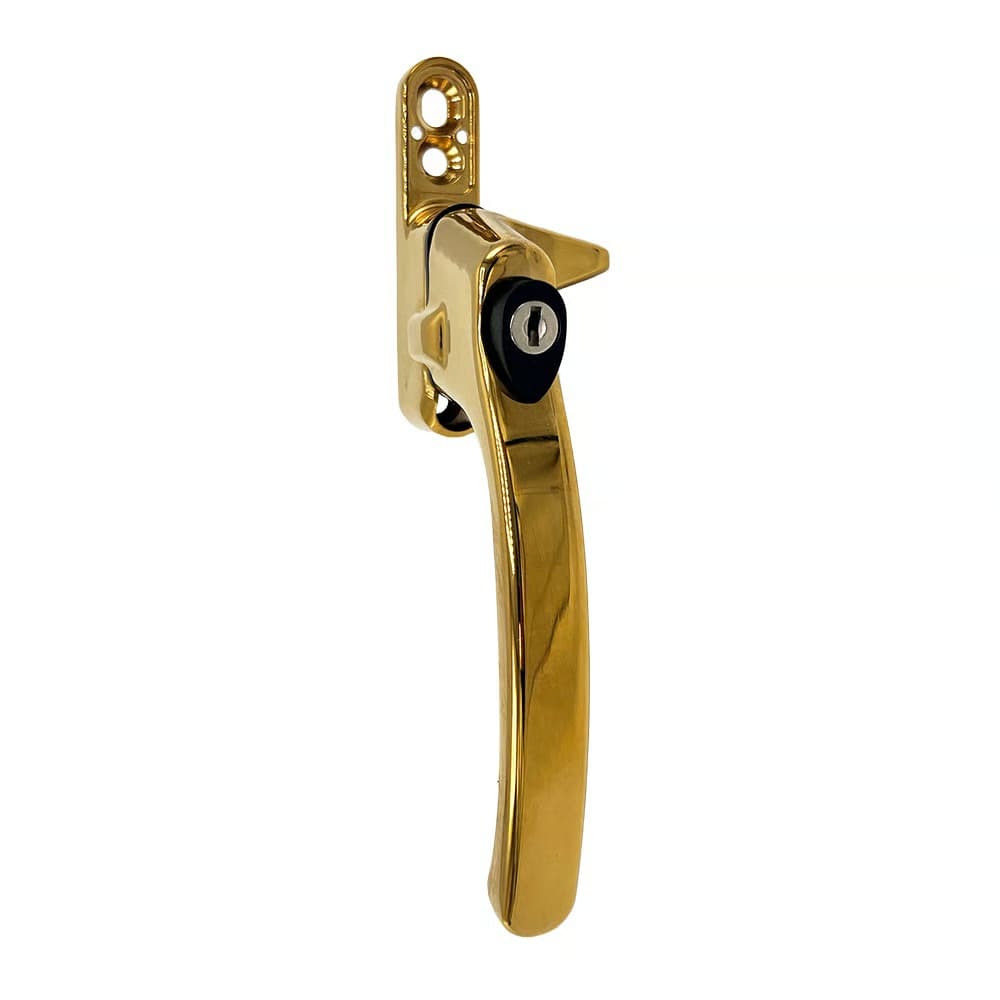
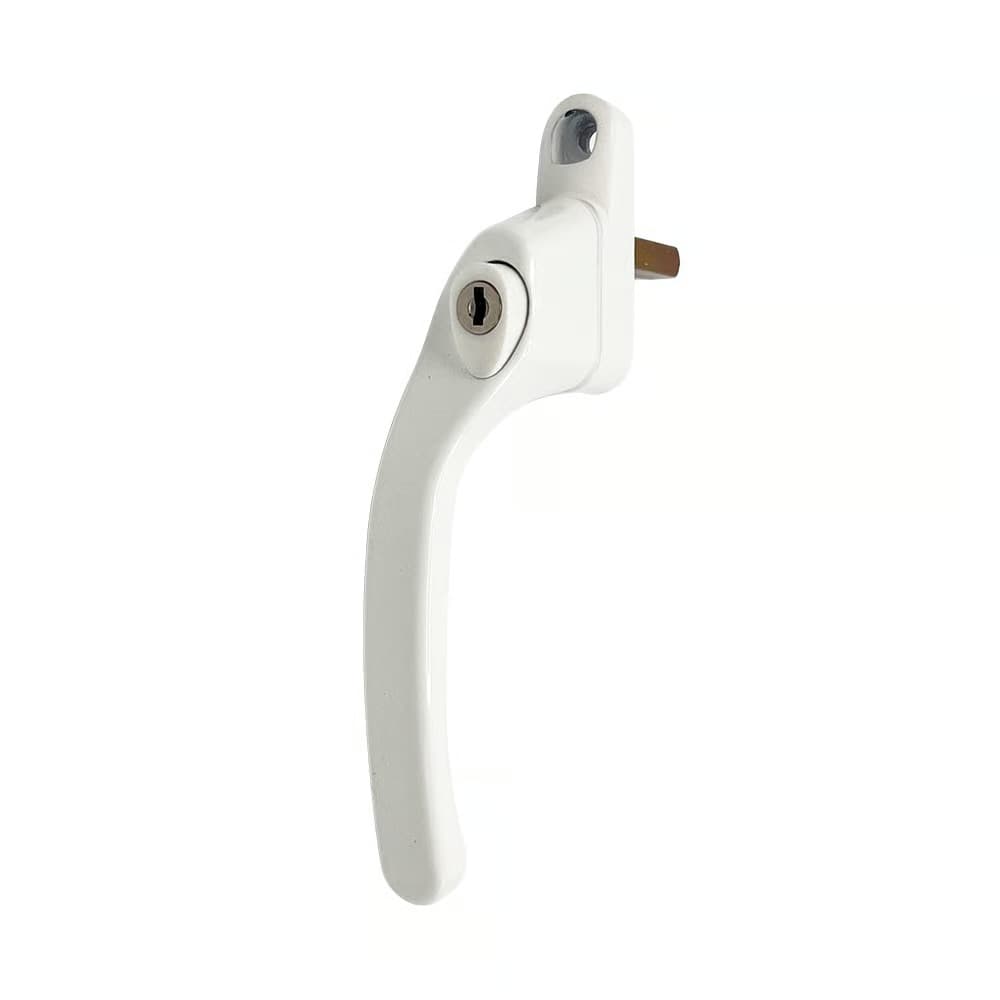
Begin by identifying the existing handle style because different windows use different mechanisms. Common types include espagnolette (espag) handles for casement windows, cockspur handles for older metal or timber windows, and lever handles for modern uPVC installations. Visual inspection will usually reveal the style and whether the handle is handed (left or right) or reversible.
- Espag/espagnolette handles operate a spindle and gear within the locking mechanism.
- Cockspur handles fit around the edge of the window and latch onto keep plates.
- Lever handles often use a square spindle and are common on uPVC windows.
Check handing and side
Handing determines which way the handle points when the window is closed. To determine handing: stand inside the building facing the window. If the handle is on the right-hand side and the window opens away, it is typically right-handed; if on the left, it is left-handed. Some handles are reversible, but many replacement handles require the correct handing to engage the mechanism properly.
Tradespeople replacing multiple handles should keep a simple chart: window ID, measurement details, and handing. This reduces errors when ordering parts.
Measure for the correct fit
Accurate measurement is crucial. Record the following dimensions and details:
- Fixing hole centres: measure the distance between the centres of the two mounting screws on the existing handle. Common spacings include 43mm and 92mm, but always measure.
- Backset and spindle length: measure the distance from the centre of the handle spindle to the edge of the handle base, and the length of the spindle itself. A standard spindle is often 7mm square, but confirm with the existing part.
- Screw type and thread: note whether the handle uses wood screws, machine screws or security screws.
- Distance to locking mechanism: for espag handles, measure the distance to the espagnolette rod or gearbox.
Confirm locking and security features
Windows are an important part of home security. Consider replacing handles with integral locks where appropriate. Lockable handles add a key-operated barrier to prevent unauthorised opening from inside or access via ground-floor windows.
- Check compatibility with the window’s locking system: sometimes the operating spindle must align with a gearbox or rod; mismatches can prevent locking.
- Select handles with certified security features where needed, e.g., key-operated or with anti-snap protection for high-risk locations.
- Ensure replacement handles are tested to relevant standards; trade customers should specify compliance when quoting.
Match finishes and aesthetics
Replacement handles should complement the frame and overall interior. Popular finishes include white, chrome, satin chrome, gold and antique brass. For heritage properties, choose period-appropriate styles and finishes; for new-build or modern refurbishments, slimline chrome or satin may be preferable.
Order spare components in the same finish where possible to maintain a consistent look when future replacements are needed.
Installation best practice
Whether a homeowner or tradesperson fits the handle, follow these practical steps:
1. Remove the existing handle carefully, supporting the window to prevent stress on hinges. 2. Clean the mounting area and inspect the frame for rot or damage before fitting the new handle. 3. Temporarily fit the handle without screws to check spindle engagement and alignment with keeps or strikers. 4. Tighten screws evenly to avoid distorting the handle base; use threadlocker on metal-to-metal fixings where vibration may occur. 5. Test operation repeatedly: open, close, and lock the window several times while observing engagement points, ensuring smooth travel and full locking.
For uPVC windows, avoid over-tightening screws into the plastic as this can crack the frame; use backing plates if necessary.
Maintenance and troubleshooting
Regular maintenance prolongs handle life and prevents problems:
- Lubricate moving parts annually with a light oil or specialist window lubricant.
- Tighten loose fixings promptly to prevent wear on the spindle and gearbox.
- Replace damaged keeps or strike plates if the handle fails to engage fully.
- For stiff handles, check for misalignment of hinges or sashes before replacing the handle.
Sourcing and ordering tips
Buy replacement handles from reputable suppliers that list detailed technical specifications: screw centres, spindle sizes, handing and finish codes. Tradespeople should order a small range of common parts to carry on-site — common sizes for spindles and fixing centres will cover the majority of repairs.
For complex or high-security windows, match the replacement handle to the locking system manufacturer where possible to ensure warranty and compatibility.
Conclusion
Choosing the correct replacement window handles involves identifying the handle type, measuring accurately, confirming locking compatibility and selecting an appropriate finish. Proper installation and routine maintenance will keep windows operating safely and reliably. For further technical detail and a broader selection of options, consult the full Window Handles Guide.