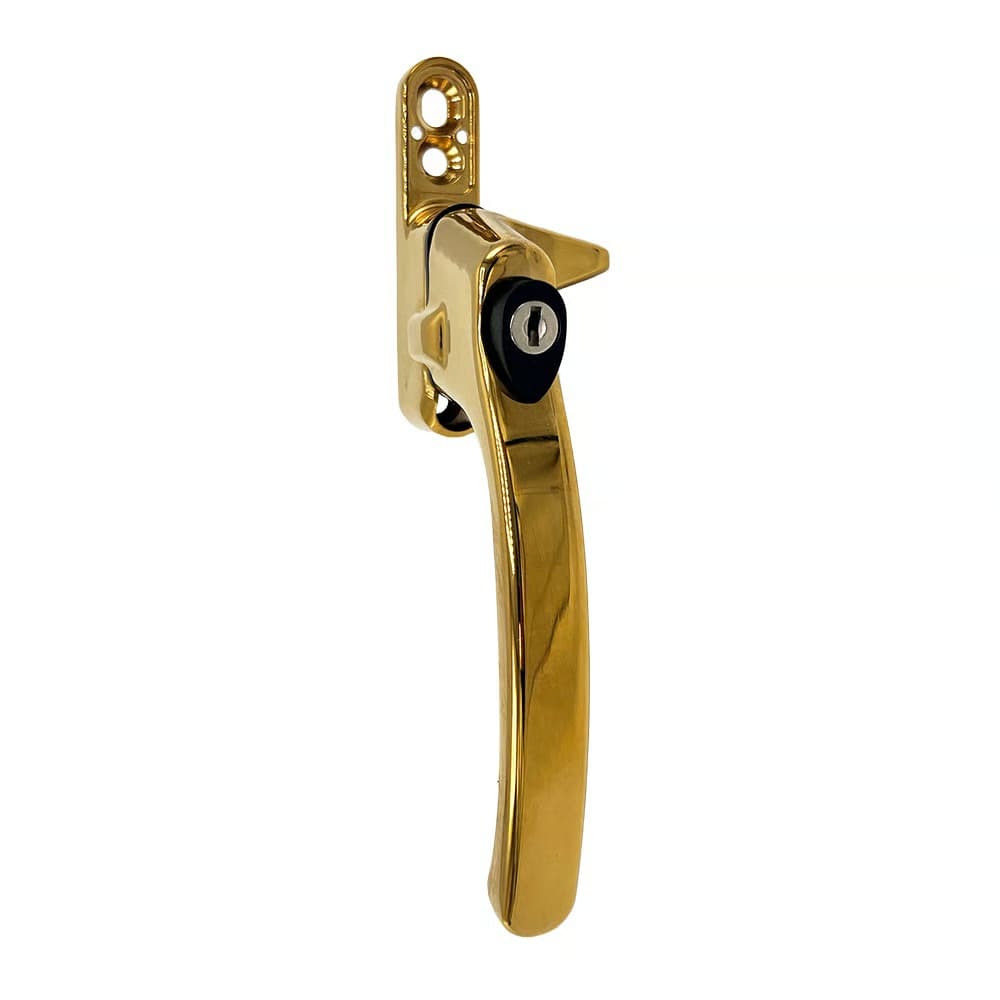
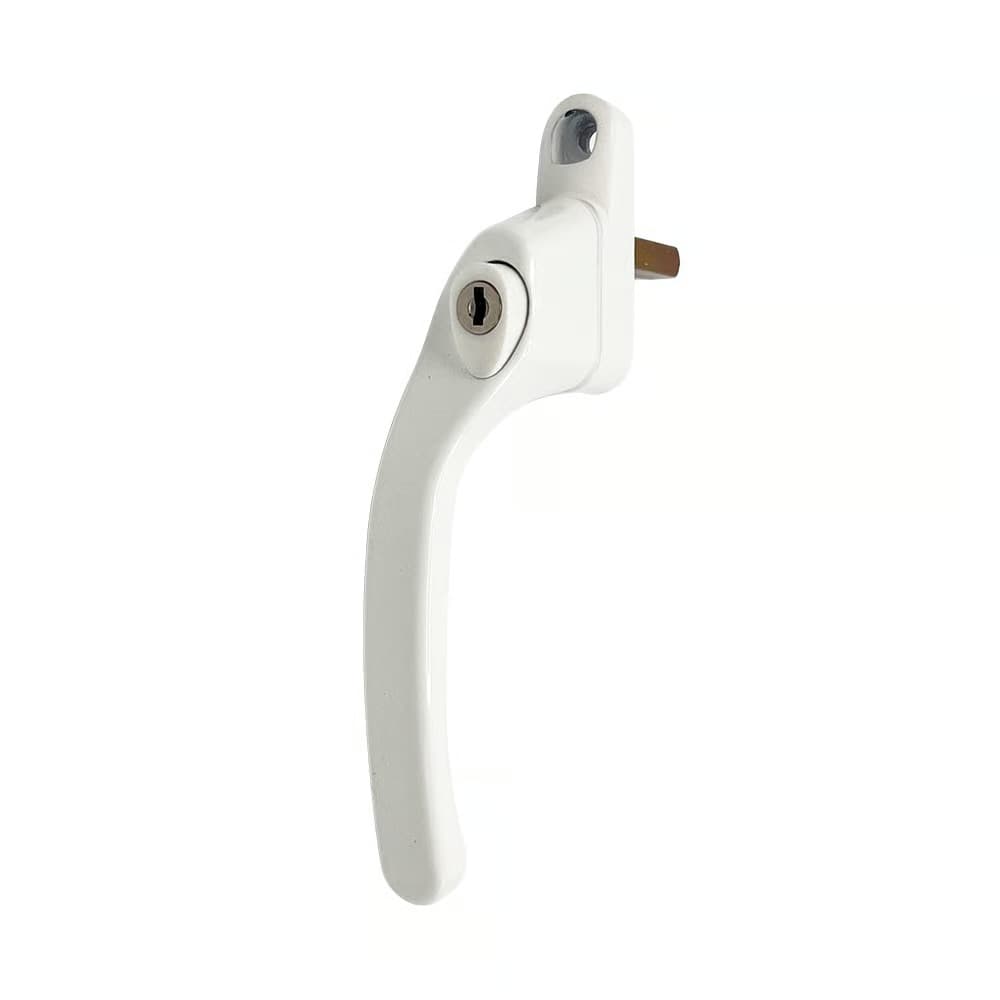
Replacement Window Handles with Locks: Upgrade Security Simply
Replacement window handles with locks provide an effective, affordable way to upgrade the security and functionality of uPVC, aluminium and timber windows....
Replacement window handles with locks provide an effective, affordable way to upgrade the security and functionality of uPVC, aluminium and timber windows. A straightforward replacement can improve locking performance, align with modern multipoint systems and offer peace of mind without the expense of full window replacement. This guide explains how to choose the right handle, what to measure, practical fitting steps and maintenance tips for both homeowners and tradespeople.
Why replace window handles with locks
Handles wear through use, become loose or lose their internal locking mechanism, compromising security and ease of operation. Modern replacement window handles often incorporate mechanisms that meet current insurance standards, deter forced entry and are compatible with existing euro-profile or espagnolette systems. Replacing handles is faster and cheaper than replacing entire windows, and can be completed in a single afternoon by a competent DIYer or quickly by a tradesperson.
Types of locking window handles
- Espag (espagnolette) handles: Common on uPVC and aluminium casement windows. They engage an internal gear or spindle to operate the locking mechanism. The TSS Cockspur Window Handles is an example designed for enhanced security and ease of use.
- Cockspur handles: Surface-mounted, typically used on older timber or metal-framed windows where the handle turns a hook into a keep. The TSS Cockspur Window Handle suits traditional installations.
- Push-to-lock and key-locking handles: Some contemporary designs combine a push-button lock or a key cylinder for additional protection. The TSS Offset UPVC Window Handles offers robust locking features suitable for properties requiring higher security levels.
Measurements and compatibility checklist
Accurate measurement is crucial to ensure the new handle fits without modification:
- Backset: Measure from the centre of the handle spindle to the top and bottom of the handle base. For espag handles, note the distance to the screw centres.
- Spindle length and type: Confirm the spindle width (commonly 7mm) and length required to reach through the handle and operate the lock. Cut or replace spindles rather than forcing incompatible lengths.
- Screw hole centres: Measure the distance between fixings on the handle base to match replacement screw positions.
- Handing (left or right): Identify whether the handle is left- or right-handed by the direction the window opens when facing it from the inside. Some replacement handles are reversible; others are handed and must match the existing orientation.
- Locking mechanism compatibility: Confirm whether the handle drives an espag locking mechanism, engages a cockspur hook, or works with a multipoint lock.
Tools and materials required
- Cross-head and flat-head screwdrivers
- Replacement handle with necessary fixings and spindle
- Pliers and small hacksaw (for trimming spindles)
- Threadlocker (optional, for tradespeople to secure screws)
- Replacement fixings if original screws are worn
- Abrasive pad and lubricant for cleaning the keep and mating surfaces
Step-by-step replacement procedure
1. Remove the existing handle: Open the window slightly for access. Unscrew the handle fixings, usually two or three screws on the faceplate. Withdraw the handle and spindle carefully. 2. Inspect the locking mechanism: Check the espag strip, gearbox or cockspur area for wear, rust or bent components. Replace any worn components before fitting a new handle. 3. Prepare the new handle: Fit the correct length spindle into the new handle. If the spindle is too long, mark and trim it cleanly with a hacksaw, ensuring square ends for smooth operation. 4. Fit the handle: Insert the spindle through the lock and align the handle base with screw holes. Engage the handle gently to make sure it actuates the lock correctly before tightening screws. 5. Secure and test: Tighten screws firmly but not overtighten to avoid stripping. Operate the handle several times, locking and unlocking to ensure smooth engagement with the keeps and that the handle returns to neutral position. 6. Adjust keeps if necessary: If the latch does not engage smoothly, adjust the strike plate or keep rather than forcing the handle. Minor lateral or vertical adjustments usually resolve misalignment.
Tradespeople should follow manufacturer torque recommendations and use threadlocker or security screws where appropriate for lasting installations.
Security and compliance considerations
- Insurance requirements: Some insurers specify handles with key locks or particular locking standards. Verify policy requirements before upgrading.
- Escape and safety: For ground-floor windows used as emergency exits, ensure key-locking handles do not impede rapid egress. Push-to-lock or removable-key systems are appropriate when escape routes are a priority.
- Quality standards: Choose handles from reputable manufacturers and check for certifications such as Secured by Design or equivalent endorsements when required.
Maintenance and longevity
- Lubrication: Apply a suitable silicone-based lubricant to gears and keeps annually to prevent seizing and corrosion.
- Tightening: Check fixings after seasonal temperature changes and re-tighten as necessary. Avoid overtightening plastic-backed screw points.
- Inspection: Look for wear on spindles and keeps; replace components at first sign of excessive play to maintain security.
- Weatherproofing: For external handles, check for degraded seals that allow moisture ingress and replace seals to prevent rusting.
Practical tips for tradespeople
- Carry a selection of spindles, screw sets and reversible handles to accommodate on-site variability.
- Use magnetic trays for small fixings to prevent loss while working at height.
- When upgrading multiple windows, standardise to one handle model to simplify maintenance and spare-part inventory.