Replacing Window Handles: Best Finishes for Durability
Replacing window handles is a straightforward upgrade that improves security, functionality and appearance. Choosing the right finish for new handles deter...
Replacing window handles is a straightforward upgrade that improves security, functionality and appearance. Choosing the right finish for new handles determines how long they will look good and resist wear, particularly in busy households or exposed locations. This guide explains the best finishes for durability, how to select a compatible handle, and practical steps for a reliable replacement that tradespeople and homeowners can follow.
Why finish matters
The finish on a window handle is more than an aesthetic choice. It protects the base material from corrosion, scratches and wear from repeated use. In coastal areas or properties with higher humidity, a robust finish can prevent pitting and staining. For busy doors and windows, a hard-wearing finish reduces visible wear and maintains smooth operation for longer, reducing maintenance and future replacement costs.
Common durable finishes and where to use them
- Satin stainless steel: Excellent corrosion resistance and low maintenance. Satin finishes hide fingerprints and small scratches well, making them suitable for modern interiors and wet environments, such as kitchens and bathrooms.
- Polished stainless steel/chrome: Offers a shiny, high-end look. Polished finishes resist rust but show scratches and fingerprints more obviously, requiring more frequent cleaning if aesthetics are a priority.
- PVD (Physical Vapour Deposition): A modern coating that bonds to metal for outstanding wear and corrosion resistance. PVD is ideal for high-traffic areas where appearance must be preserved over time.
- Anodised aluminium: Provides a tough surface treatment for aluminium handles, improving scratch resistance and corrosion protection; suitable for aluminium-framed windows.
- Electroplated finishes (nickel, chrome): Cost-effective and attractive but variable in longevity depending on base metal quality and plating thickness. Choose reputable manufacturers to avoid rapid flaking.
- Powder-coated (polyester powder): Extremely durable for coloured finishes, with excellent resistance to chipping and UV fade. Best for exterior-exposed handles where colour retention matters.
Match finish to environment
- Coastal or high-humidity properties: Prioritise stainless steel, PVD or high-quality anodised finishes. Salt spray dramatically accelerates corrosion on standard plated finishes.
- Urban or high-traffic interiors: Satin stainless steel or PVD works well to hide marks while maintaining a premium look.
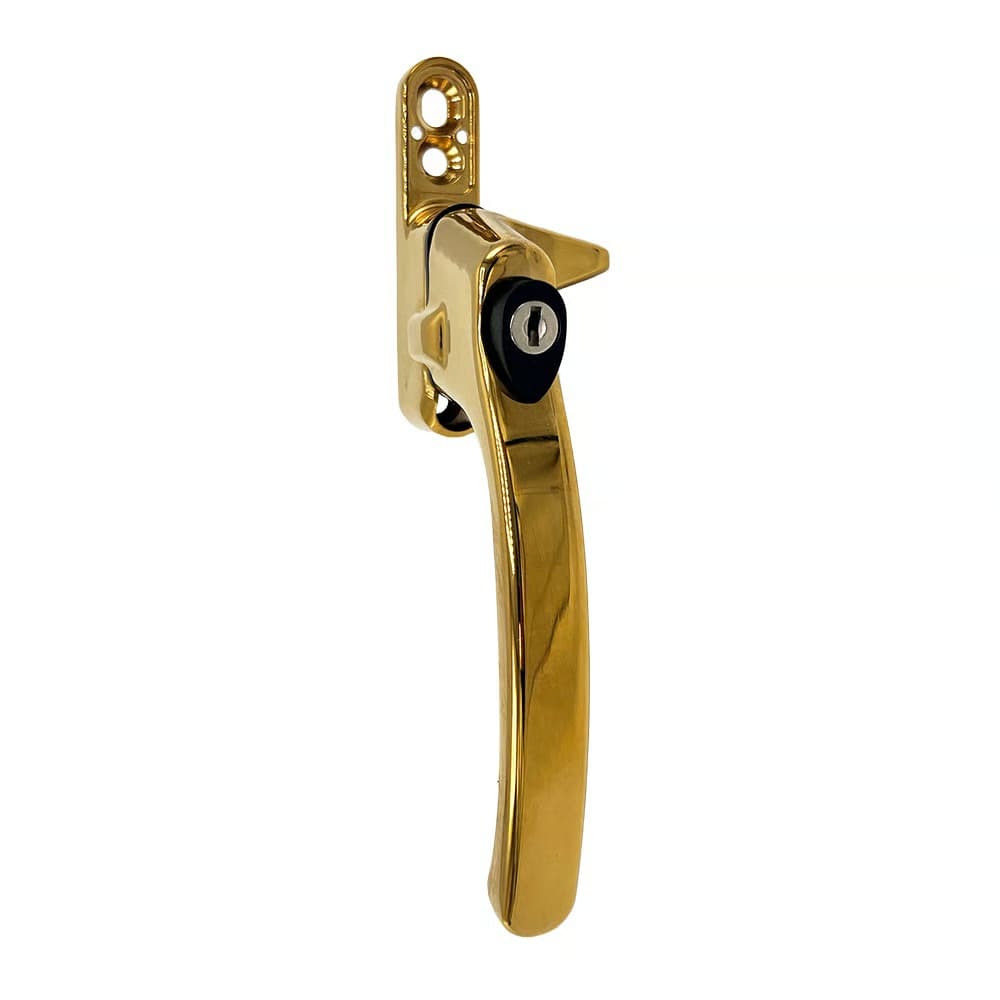
- Traditional homes: Solid brass with lacquer or a heavy nickel plate provides classic aesthetics; ensure lacquer is durable or be prepared for periodic relacquering.
- External doors or frequently used windows: Choose powder-coated or PVD finishes for maximum lifespan.
Practical selection tips when replacing window handles
- Verify handing and mechanism: Confirm whether the handle is left- or right-handed and the type of mechanism required—espagnolette, cockspur, or lockable handle. For example, for casement windows consider a secure espagnolette handle such as the TSS Cockspur Window Handles for enhanced security.
- Measure screw centres and spindle length: Accurate measurements are essential. Record the distance between fixing screws and the spindle diameter and length before ordering.
- Match backplate and screw style: Some windows have bespoke fixing positions or require countersunk screws; matching the new handle's plate ensures a neat fit without drilling new holes.
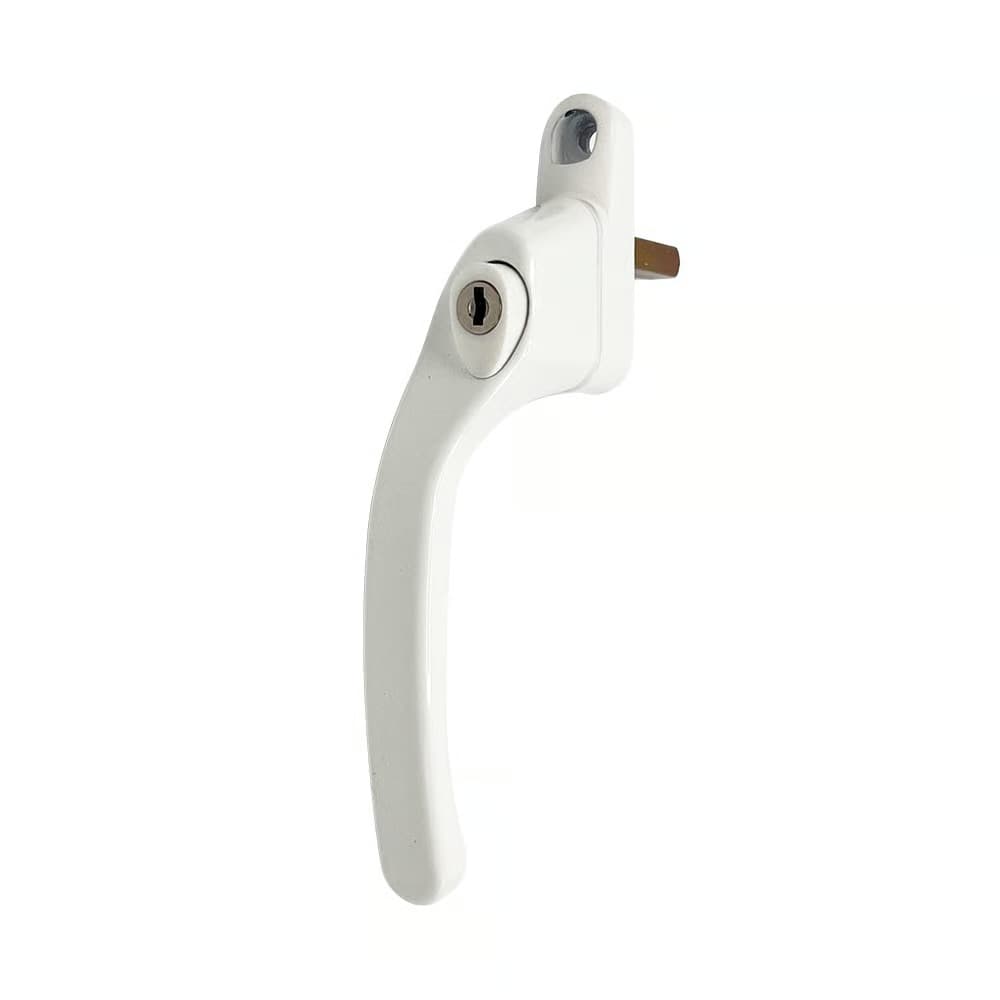
- Consider keyed or thumbturn options: Where additional security is required, choose a lockable handle. A robust trade-grade option such as the TSS Offset UPVC Window Handles offers proven performance.
- Decide on finish continuity: For a coordinated look, match handle finishes to other hardware — hinges, letterplates and door furniture — or choose a neutral satin finish that complements multiple styles.
Step-by-step replacement for tradespeople and confident homeowners
1. Prepare tools and materials: screwdriver set, allen keys, replacement handle, cleaning cloth, light lubricant (silicone spray), anti-seize or corrosion inhibitor if exposed to weather. 2. Remove the old handle: Open the window to access all fixing screws. Unscrew fixings, support the handle as the last screw is removed to avoid dropping. Note any shims or packing used. 3. Clean and inspect: Remove grime and old paint build-up from the spindle and surrounding area. Inspect the spindle and gearbox for wear; replace the keeper plate or gearbox if damaged. 4. Fit the new handle: Slide the spindle into the gearbox, align screw holes and secure the handle without over-tightening. Over-tightening can distort the backplate or strip fixings. 5. Test operation: Cycle the window several times to check smooth operation and proper engagement of locking points. Apply light lubricant to moving parts if necessary. 6. Final protection: On exposed installations, apply a thin film of corrosion inhibitor to screw heads and the underside of the backplate to slow moisture ingress.
Maintenance to extend finish life
- Regular cleaning: Wipe handles with a soft damp cloth and mild detergent. Avoid abrasive cleaners that can damage protective coatings.
- Lubrication: Annual light lubrication of the spindle and moving parts prevents wear and reduces the force required to operate the handle.
- Recoat and touch-up: For lacquered brass or coloured powder-coated finishes, inspect annually and touch up chips promptly to prevent corrosion from starting.
Cost versus longevity
Higher-quality finishes and reputable manufacturers carry a premium but pay back over time through reduced maintenance and longer service life. Tradespeople specifying hardware for clients should balance upfront cost with expected exposure levels. For homeowners, investing slightly more in a durable finish typically reduces lifetime replacement and repair costs.
Recommended handle types for common situations
- Everyday urban homes: Satin stainless steel or PVD lockable handles give a balance of aesthetics and durability — a practical choice for high-use windows.
- Older properties seeking authenticity: Brass with a heavy nickel plate or lacquered solid brass can preserve period character while offering reasonable durability with maintenance.
- Coastal and exposed locations: Stainless steel or anodised components specifically designed for exterior exposure provide the best long-term protection. For sturdy non-locking options, consider a proven cockspur style such as the TSS Cockspur Window Handle.