Replacing Window Handles: Common Problems and Fixes
Replacing window handles is a common maintenance task for homeowners and tradespeople. Worn, loose or broken handles compromise security, functionality and...
Replacing window handles is a common maintenance task for homeowners and tradespeople. Worn, loose or broken handles compromise security, functionality and can allow draughts. This article outlines common problems, diagnostic checks and step-by-step fixes to restore operation quickly and safely. Practical advice covers tools, measurements and compatibility so the correct replacement is fitted first time.
Common types of window handles and typical faults
Window handles vary by mechanism and material. The most common types are espagnolette (espag) handles used on uPVC and aluminium casement windows, cockspur handles on older timber and aluminium frames, and lever-style handles found on some tilt-and-turn windows. Typical faults include:
- Handle rotates without operating the locking mechanism (stripped spindle or gearbox).
- Stiff or seized handle due to dirt, paint or corroded components.
- Loose handle with visible movement on the rose or base.
- Broken handle lever or snapped spindle.
- Broken or worn locking cams or gearbox failures in espag handles.
Tools and materials required
Essential tools for most replacements:
- Crosshead and flat screwdrivers
- Allen keys (commonly 4 mm or 5 mm)
- Torx driver set (T20/T25 often used on windows)
- Replacement handle and spindle (measurements below)
- Lubricant (silicone spray or graphite for locking mechanisms)
- Small pliers and needle files
- Cleaning cloth and rubbing alcohol
Diagnostic checks before replacing
1. Inspect the handle fixing screws and the rose/cover plate for damage or loose screws. Tightening loose fixings often resolves the issue. 2. Operate the handle and observe the movement of the spindle or locking rod. A spinning spindle that fails to engage indicates a stripped spindle or gearbox. 3. Check for paint build-up or debris around the handle base and in the frame. Paint can bind handles permanently. 4. With espag handles, check the espagnolette gearbox along the edge of the sash for visible damage or broken gear teeth. 5. Measure the spindle length and shape (square, 7 mm, 8 mm, UK standard sizes) and the screw centres (distance between fixing screws) to ensure compatibility with the replacement.
Documenting these findings avoids ordering an incompatible part.
Replacing a standard handle — step-by-step
1. Fully open the window and secure it. Keep the sash supported. 2. Remove the handle cover or rose cap to expose the fixing screws. Use the correct screwdriver or Torx bit. 3. Loosen and remove the screws, keeping them safe. Some handles have hidden grub screws; remove these with an Allen key. 4. Carefully withdraw the handle from the spindle. If the spindle is seized, apply penetrating lubricant and work the handle gently until it releases. 5. Inspect the spindle. If damaged, replace with a new spindle cut to the correct length. If the gearbox inside the lock is damaged, order the corresponding replacement handle that pairs with the gearbox or replace the espag mechanism as required. 6. Fit the new handle by aligning the spindle to the square aperture and sliding the handle home. Ensure it engages the locking mechanism smoothly. 7. Refit and tighten fixings. Do not over-tighten small screws as they strip easily. 8. Test operation several times, applying a small amount of silicone lubricant to the mechanism if needed.
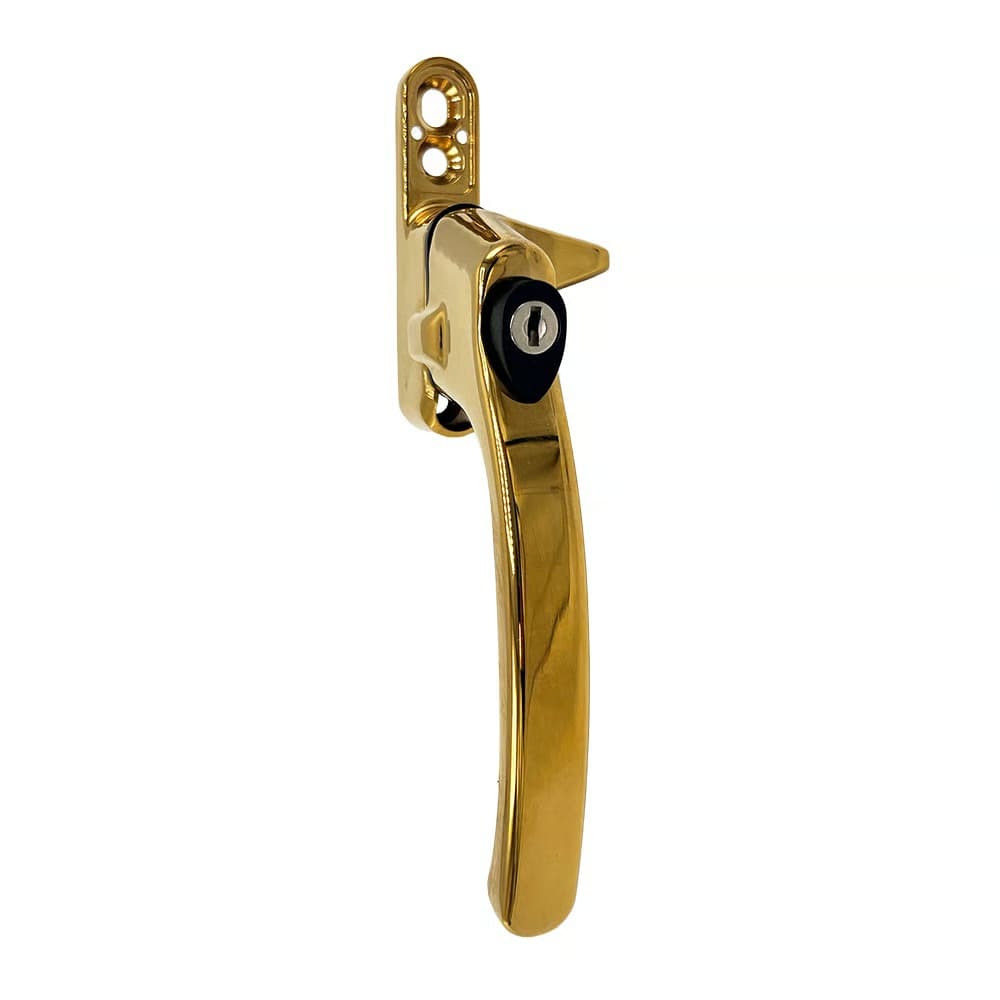
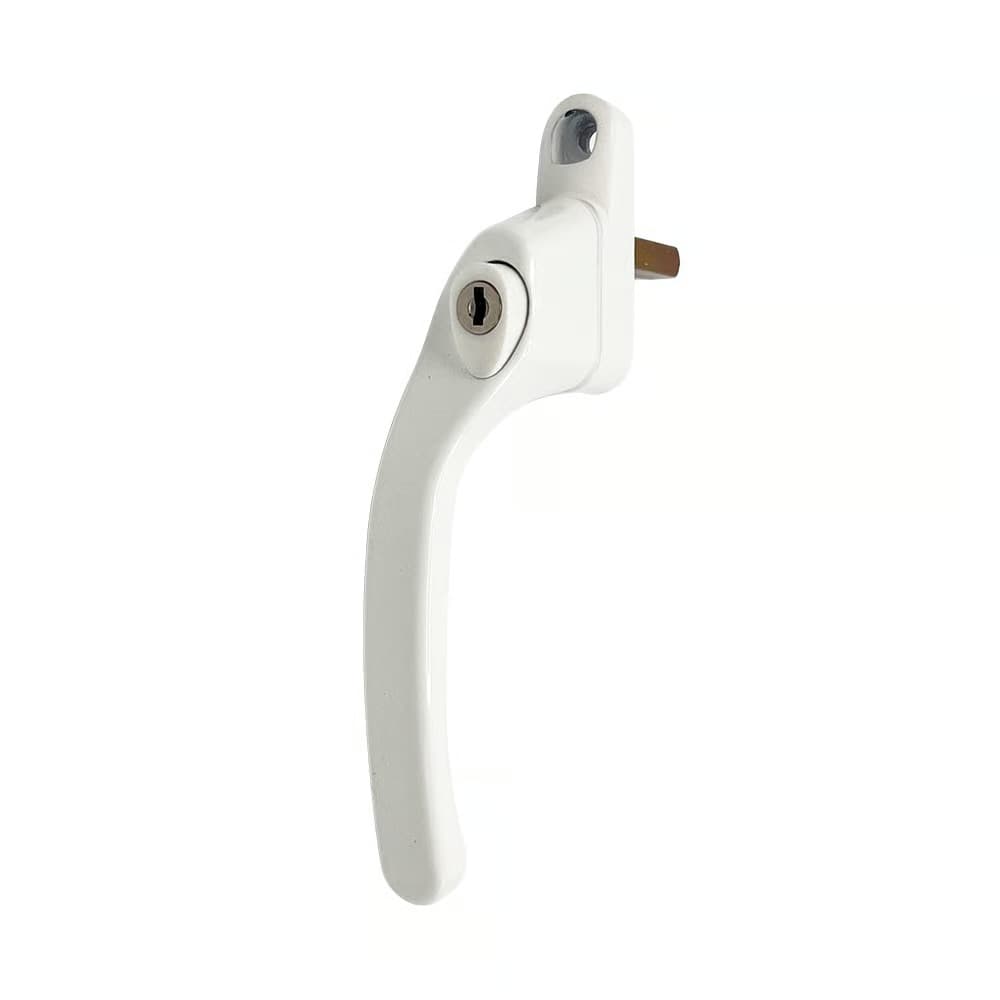
For a high-security espag replacement, consider a handle such as the TSS Cockspur Window Handles which is designed to engage modern multipoint gearboxes and improve resistance to forced entry.
Fixing specific issues
- Loose handle: Remove cover and tighten the mounting screws. If the rose is damaged, replace the rose or the whole handle assembly.
- Spinning or slipping handle: Replace the spindle if worn; otherwise replace the handle or the gearbox. Ensure spindle diameter and profile match the new handle.
- Stiff handle: Clean around the mechanism, remove paint obstruction, and apply silicone lubricant to the pivot and gearbox. Avoid oil-based lubricants that attract dirt.
- Broken cockspur handle: Cut out the broken lever and fit a replacement cockspur handle. A common retrofit option is the TSS Cockspur Window Handle which is robust and available in various lengths.
Measuring and ordering the right replacement
Measure three key dimensions:
- Spindle length from the handle face to the end of the spindle.
- Spindle thickness and profile (square is most common; measure the flat-to-flat width).
- Screw centres (distance between fixing screws through the rose).
Maintenance tips to prolong life
- Clean and lubricate handles and locking points annually with silicone spray.
- Avoid over-tightening fixings when replacing handles; use threadlocker on loose screws if vibration causes loosening.
- Protect painted frames when fitting handles to avoid paint binding; remove paint from the area before fitting.
- Replace damaged fixings and stripped spindles promptly to avoid greater damage to the gearbox.
When to call a specialist
Replace handles when parts are clearly worn, corroded or security is compromised. Engage a specialist when the espagnolette gearbox is damaged beyond visual repair, where windows are sealed units requiring careful sash removal, or when working at height without safe access. Tradespeople should be consulted for complex multi-point locking systems or retrofit security upgrades.
Proper diagnosis and orderly replacement of faulty components restore functionality and improve home security. Careful measurement and using compatible replacements minimise disruption and ensure long-term operation.