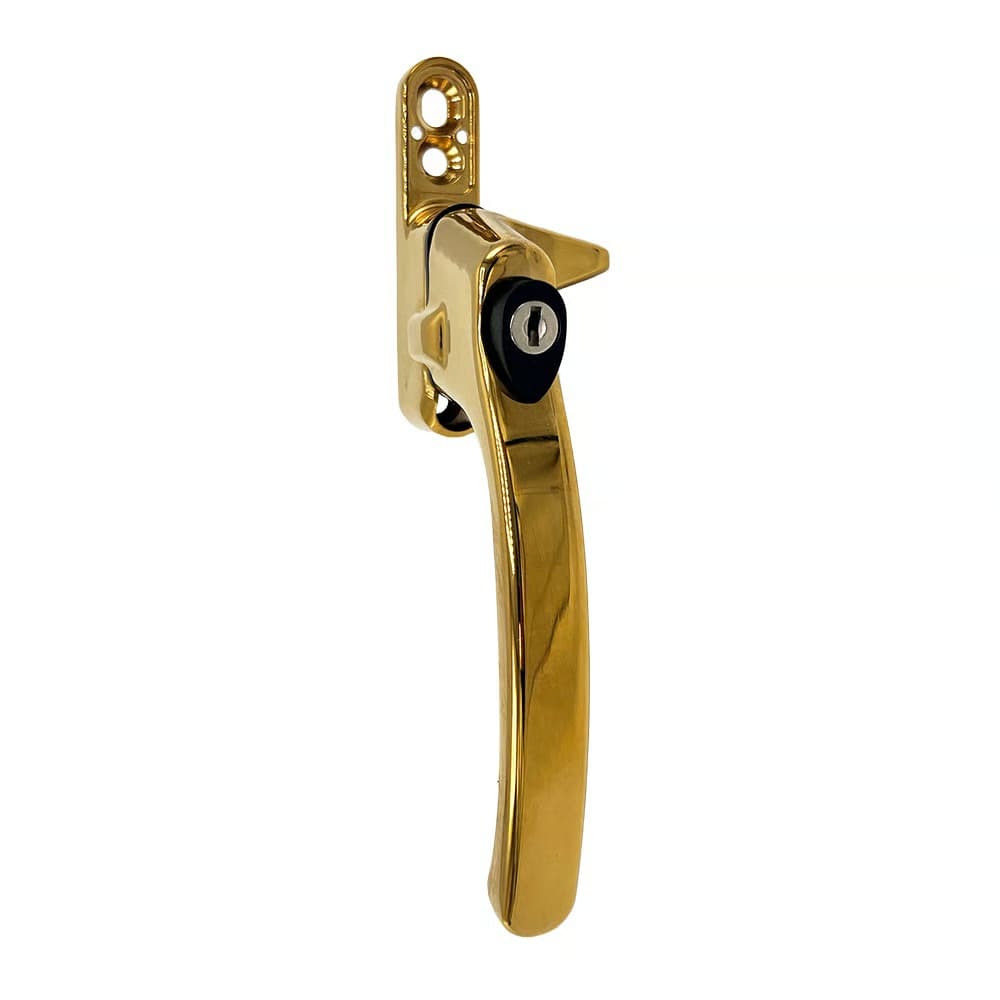
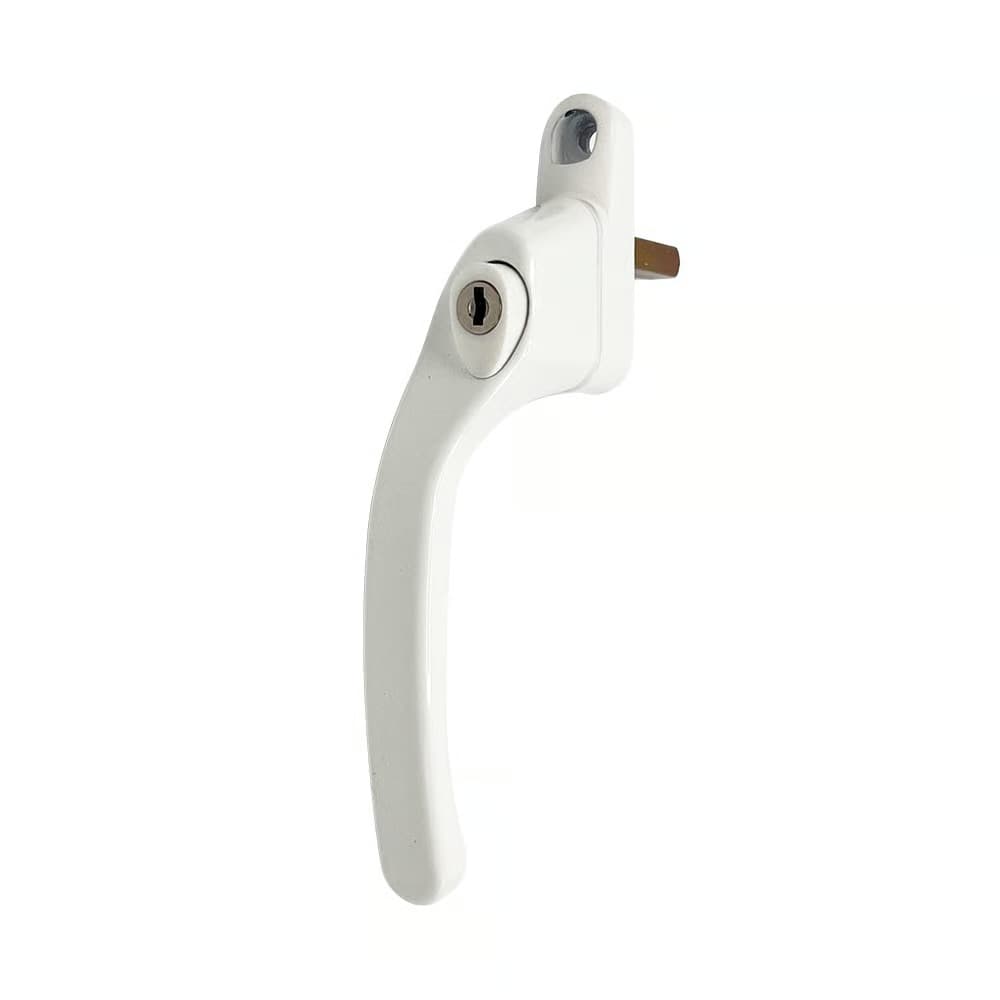
Replacing Window Handles: Fixing a Loose Handle as You Go
A loose window handle is one of the most common minor faults in domestic and commercial properties. Left unattended, it can lead to more serious wear on th...
A loose window handle is one of the most common minor faults in domestic and commercial properties. Left unattended, it can lead to more serious wear on the spindle and lockcase or create security concerns. This guide explains when to tighten a loose handle and when replacing window handles is the prudent, long-term solution. Practical, step-by-step advice suits both homeowners tackling DIY and tradespeople seeking an efficient workflow.
Diagnose the problem first
Before ordering a replacement, establish why the handle is loose. Common causes include:
- Loose fixing screws in the backplate
- Worn spindle or tapered spindle connector
- Stripped screw holes or damaged backplate
- Corroded or worn gearbox/lockcase inside the frame
Tools and materials required
Keep these items ready:
- Cross-head and flat-head screwdrivers
- Torx set (some handles use Torx screws)
- Replacement screws (brass or stainless steel, matching thread)
- A new handle (if required)
- Small hammer and punch for stubborn spindles
- Wood filler or plastic dowels for stripped screw holes
- Loctite or similar threadlocker (optional)
- Cleaning rag and light lubricant
Tightening a loose handle — quick fixes
1. Inspect the visible screws on the backplate. Some handles use mushroom-headed or caps; pop these off to access fixings. 2. Tighten the screws evenly. Alternate between screws if there are two, ensuring the handle sits flush. 3. If screws turn without tightening, remove them and examine the holes. Clean out debris and insert slightly longer or wider screws to bite into the material. 4. For stripped screw holes in timber, remove the screw, fill the hole with wood filler or a glued-in dowel, allow to cure, then re-drill a pilot hole and refit the screw. 5. For PVCu frames with stripped bosses, use specialist PVCu repair kits or replace the handle with one that uses longer screws that engage into solid frame sections.
After tightening, operate the handle through its full travel three or four times to ensure smooth engagement with the gearbox and no recurrence of looseness.
Replacing window handles — step-by-step
When wear, damage, or security upgrades require a full replacement, follow these steps:
1. Remove the old handle - Open the window where necessary and place it in a safe position. - Remove cover caps to access fixings. - Unscrew and withdraw the handle. If the spindle has seized, apply penetrating lubricant and gently tap with a punch to free it.
2. Check the spindle and backplate alignment - Measure the spindle length from the back of the handle to the end. Replacement handles must match that dimension to engage the lockcase correctly. - Note whether the spindle is a plain square, tapered, or has a grub-screw arrangement. Many PVCu espagnolette handles use a 7mm square spindle, but confirm before ordering.
3. Assess screw positions and backplate type - Some handles are screw-centred; others use face-fixings hidden beneath caps. Record screw centres (distance between fixings) and backplate shape to ensure a like-for-like replacement or choose a suitable adapter plate if changing styles.
4. Fit the new handle - Insert the spindle into the lockcase; align the handle so the spindle engages squarely. - Refit fixings loosely at first, check handle operation, then tighten evenly. Over-tightening can distort backplates and cause premature wear. - Replace caps and test multiple cycles to confirm reliable operation.
5. Final adjustments - If operation is stiff, check for misalignment between the handle spindle and gearbox. Small shims or repositioning the backplate may cure binding. - Apply a light lubricant to moving parts and ensure that any security snibs or child-safety locks are functioning as intended.
Dealing with common complications
- Stuck spindle: Use penetrating oil and gentle taps. Avoid excessive force that may damage the gearbox. If the gearbox is seized, replacement of the lockcase might be needed.
- Mismatched screw holes: Use an adapter backplate or fill old holes and re-drill for the new handle, ensuring a clean, secure fit.
- Security upgrades: Consider handles with key-locks or enhanced torque resistance for ground-floor windows or vulnerable properties.
- Corrosion and finishes: For coastal properties, choose stainless steel fixings and corrosion-resistant finishes to prolong service life.
Best practice for tradespeople and homeowners
- Record measurements and take a photo of the existing handle orientation and screw pattern before removal. This saves time when ordering parts.
- Keep a small kit of common replacement handles and spindles for speedy on-site repairs.
- Use threadlocker on screws that regularly vibrate loose—but avoid on timber where re-adjustment may be needed.
- Replace aged screws with stainless steel to resist future corrosion, especially in bathrooms and coastal areas.
For more detailed information about handle types, measurements and fitting templates, consult the comprehensive Window Handles Guide