Replacing Window Handles: How to Avoid Buying the Wrong Handle
Replacing window handles can seem straightforward, but choosing the wrong replacement leads to wasted time, poor performance and unnecessary expense. This...
Replacing window handles can seem straightforward, but choosing the wrong replacement leads to wasted time, poor performance and unnecessary expense. This guide helps homeowners and tradespeople identify the correct handle type, measure accurately, match finishes and locking mechanisms, and avoid common pitfalls when replacing window handles.
Identify the handle type first
Window handles fall into a few common categories. Determining the type before purchasing prevents incompatible fittings:
- Espag/espagnolette handles: Operate a multi-point locking mechanism with a spindle and gearbox. A typical example is the TSS Cockspur Window Handles.
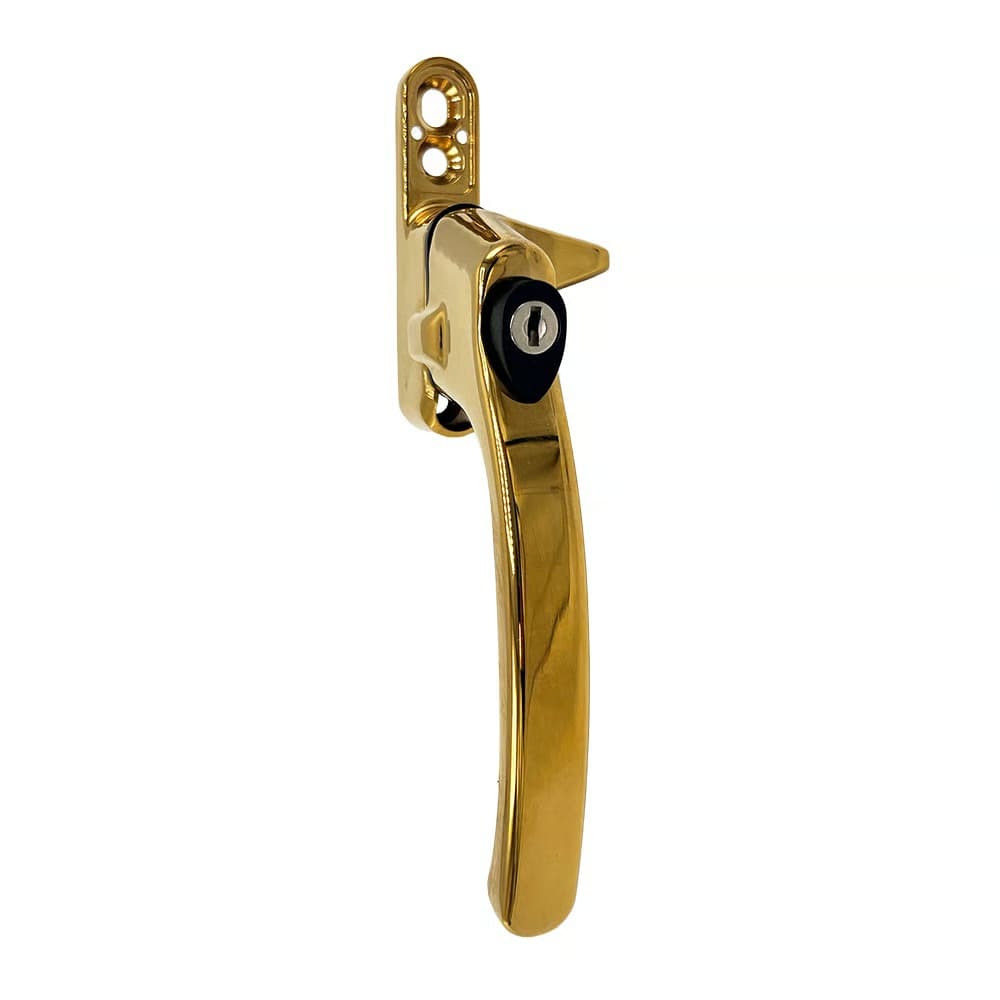
- Cockspur handles: Surface-mounted handles for older casement windows, which hook over the keep; the TSS Cockspur Window Handle represents this style.
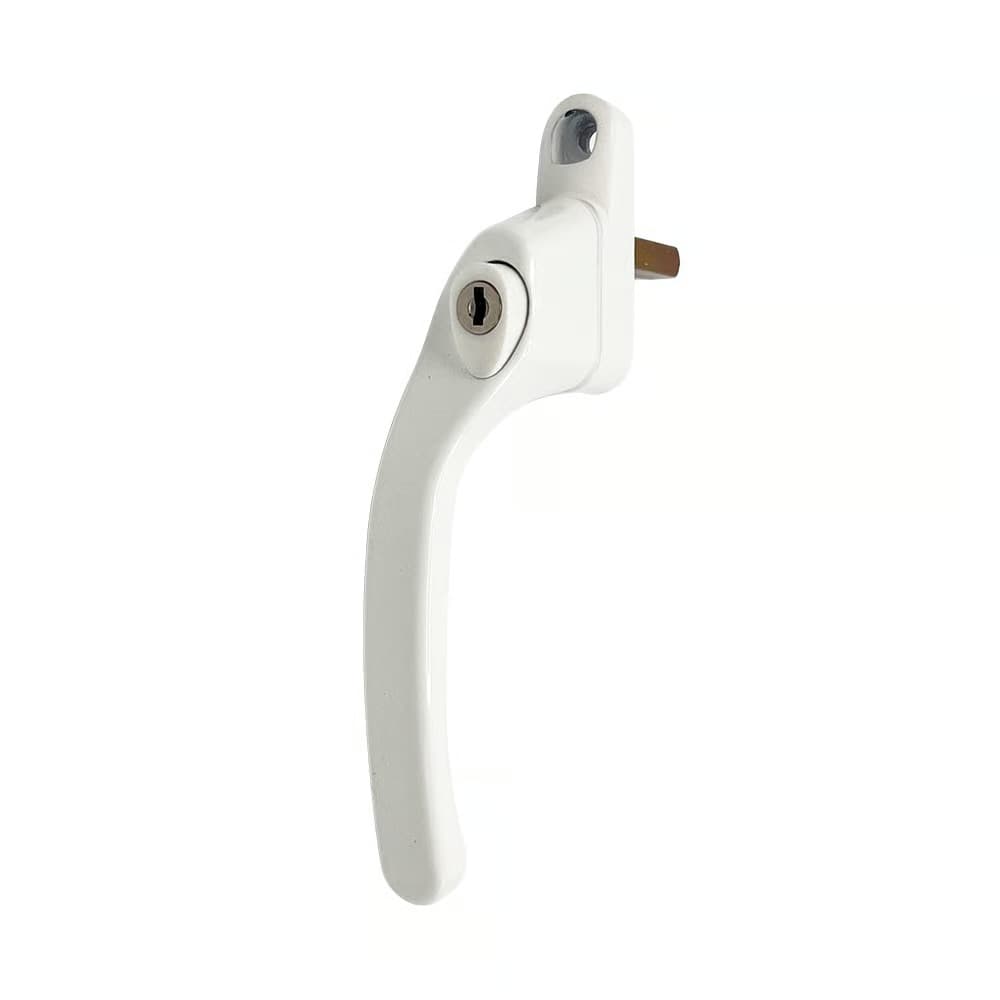
- Lockable lever handles: Provide keyed security for PVCu and aluminium windows; the TSS Offset UPVC Window Handles is a common option.
Measure precisely — dimensions matter
Accurate measurements are the most common determinant of success when replacing window handles. Key dimensions include:
- Centre to centre screw distance: Measure between the two fixing screw holes. Common centres are 43mm and 38mm for espag handles, but always confirm.
- Spindle length and thickness: For lever and espag handles, extract the spindle and measure the thickness (e.g. 7mm square) and the required length so the handle sits flush without binding.
- Backplate dimensions and clearance: Check for window furniture with long backplates or restricted sill/brickwork clearance that may obstruct the handle arc.
- Gearbox/espagnolette size: For espag handles, it’s essential to know the gearbox position, type and number of cams or hooks it operates.
Check locking mechanism compatibility
Not all handles are interchangeable with every locking mechanism. Understand how the window locks:
- Espag handles typically connect to an espagnolette gearbox. The handle’s spindle engages a gearbox which actuates rods, cams or hooks.
- Cockspur handles clamp onto a fixed pivot and require the keep position to be compatible.
- Lockable handles often require the correct spindle length and a compatible square or D-shaped spindle profile.
Match finishes and durability
Replacement handles should match the finish of surrounding hardware for aesthetic consistency. Common finishes include white, black, satin chrome and polished brass. For windows in coastal or high-moisture environments, specify corrosion-resistant finishes such as stainless steel or specialist coatings to prolong lifespan.
Consider the frequency of use: high-traffic rooms such as kitchens and bathrooms benefit from more robust materials and high-quality gearboxes. For rental properties or communal areas, choose heavy-duty, tamper-resistant options.
Consider handedness and reversing options
Some handles are handed — designed specifically for left or right opening windows. Others are reversible and can be fitted either way. Verify the original handle orientation and whether the replacement is reversible. Reversible designs save stock and are particularly useful for tradespeople working on mixed sites.
Think about security and standards
Modern handles can contribute to window security. Look for:
- Integral locks or clutch mechanisms to prevent forced rotation.
- Handles that meet British or European standards for window security.
- Espag handles that work with multi-point locking systems to improve overall security.
Avoid common mistakes
Several frequent errors lead to wrong purchases:
- Relying on visual similarity alone: two handles can look alike but have different screw centres or spindle sizes.
- Ignoring spindle length: too short leads to play and too long prevents proper seating.
- Forgetting the gearbox type: replacing a handle without matching the gearbox engagement causes non-operation.
- Overlooking maintenance access: some replacement handles may interfere with cleaning or limit tilt-and-turn functionality.
Installation tips and testing
Proper installation prevents future failure:
- Use the correct screws supplied or specified grade to avoid stripping PVCu frames.
- Ensure the handle spindle is fully engaged in the gearbox before tightening.
- Check that the handle operates smoothly across the full range, and that locking engages without excessive force.
- For lockable handles, test key operation multiple times and flush any new cylinders.
When to replace the entire mechanism
Replacing just the handle is often economical, but the full gearbox or espagnolette may be worn. Replace the full locking mechanism if:
- Handle movement is loose or sloppily engages the gearbox.
- The window fails to lock securely despite a new handle.
- There is visible corrosion or broken cams on the gearbox.
Final checklist before purchasing
- Identify handle type and locking interaction.
- Measure screw centres, spindle thickness and length.
- Confirm handedness or reversibility.
- Match finish and durability requirements.
- Ensure compatibility with existing gearbox or consider replacing the mechanism.
- Choose a secure, standard-compliant handle for higher-risk properties.