Replacing Window Handles: Locking vs Non-Locking Options
Replacing window handles is a common maintenance task that can improve security, ease of use and the appearance of a home. Whether replacing worn hardware...
Replacing window handles is a common maintenance task that can improve security, ease of use and the appearance of a home. Whether replacing worn hardware or upgrading to a locking option, choosing the right handle requires a balance of compatibility, functionality and finish. This guide outlines key differences between locking and non-locking handles, provides step-by-step fitting advice for homeowners and tradespeople, and gives practical tips for a lasting installation.
Locking vs non-locking: overview of benefits and trade-offs
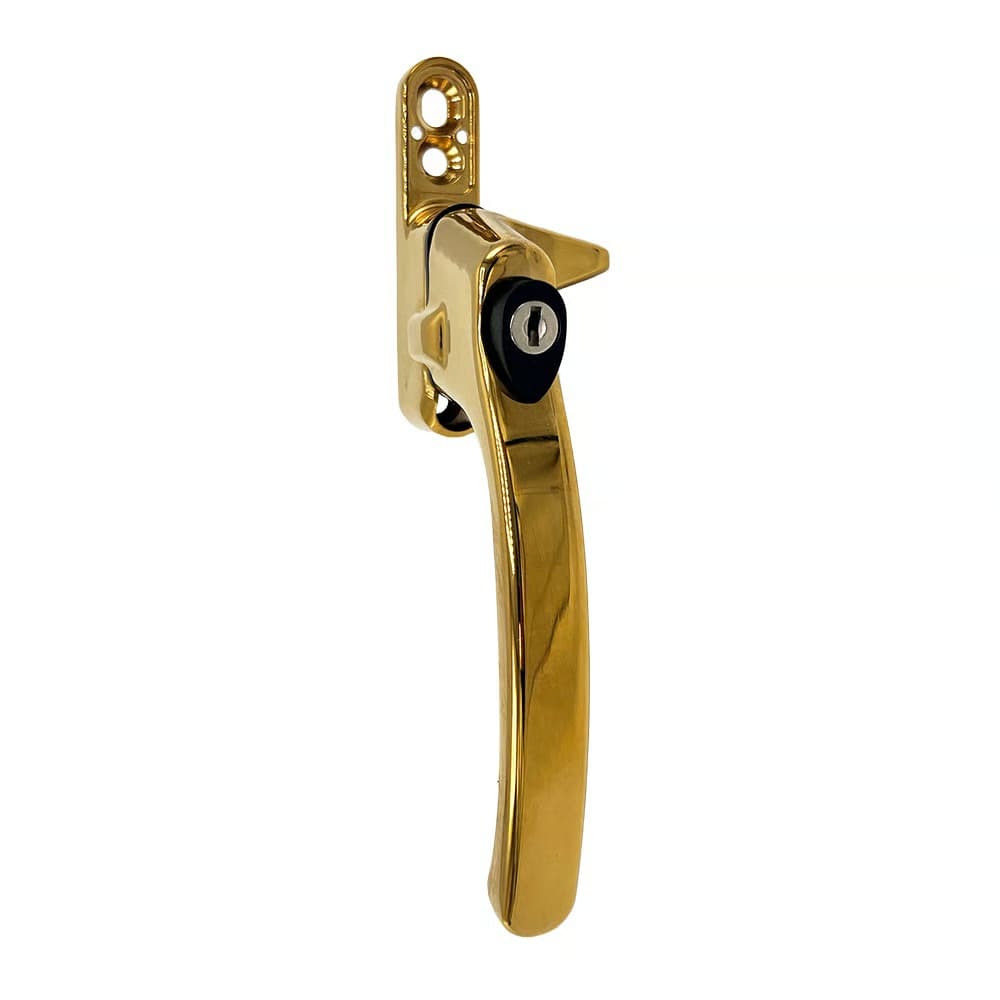
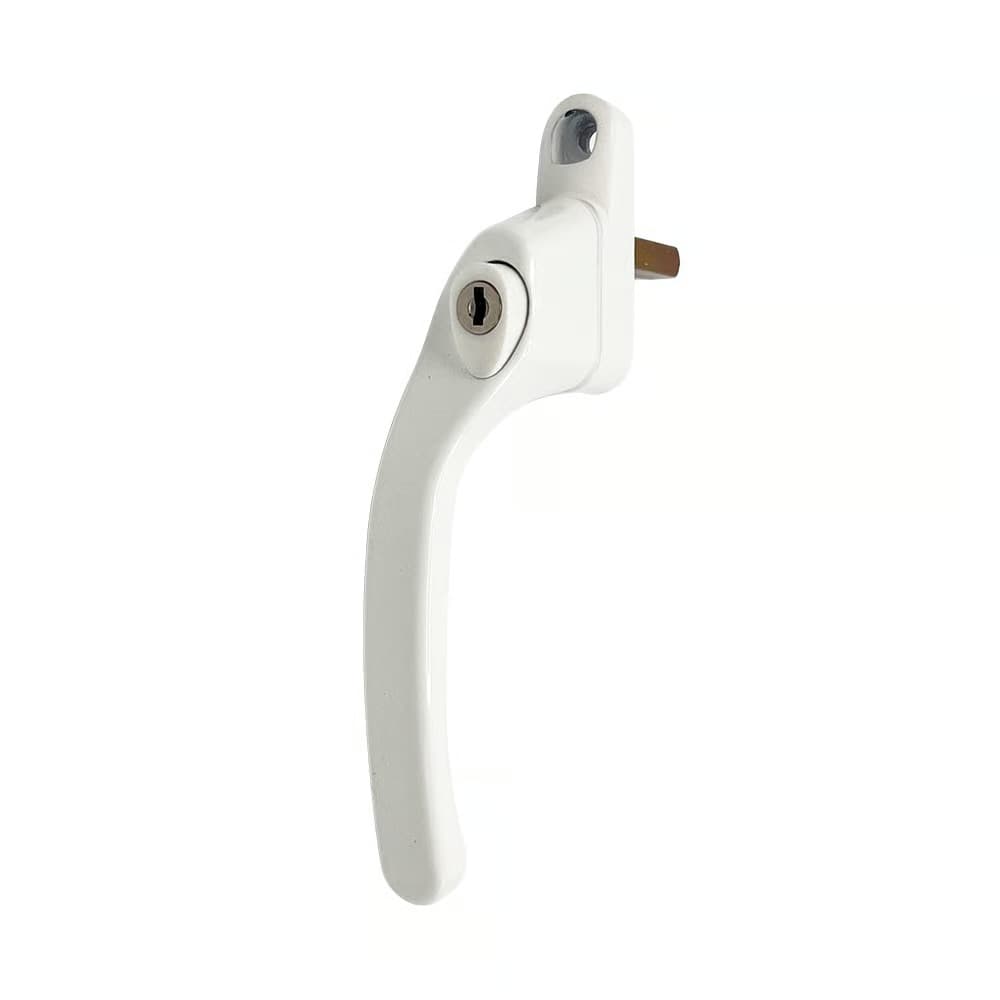
Locking window handles incorporate a mechanism that secures the handle in place when turned to the closed position, usually engaging a latch or cam to prevent unauthorised opening. Non-locking handles operate purely as levers to open and close the window without an integral lock.
Benefits of locking handles:
- Improved security: locking handles deter opportunistic intruders and add an extra barrier beyond the window’s sash lock.
- Child safety: locks can prevent windows opening wide enough for a child to climb or fall out.
- Insurance compliance: some insurers require locking hardware on ground-floor and accessible windows.
- Simplicity and cost: generally cheaper and easier to fit or replace.
- Faster operation: smoother opening and closing where frequent ventilation is needed.
- Suitable for internal windows: for rooms where security is less critical.
- Locking handles are slightly more complex to fit and may need matching to the spindle and lockcase. Non-locking handles are often a straightforward bolt-on replacement.
- A locking handle will not replace the main sash lock on some windows; compatibility checks are essential.
Identify window type and measure before ordering
Correct identification is the most important step when replacing window handles. Common types include espagnolette (espag) handles for uPVC and aluminium casements, cockspur handles for timber and some metal frames, and monkey-tail or cranked handles for heritage windows.
Essential measurements:
- Backset/centres: measure the distance between fixing holes (centre-to-centre). Many handles use 43mm or 70mm centres, but confirm.
- Spindle size: measure the square spindle dimension (commonly 7mm or 8mm) and the projection length.
- Spindle orientation: note whether the spindle is straight, cranked or offset.
- Fixing screw positions and plate shape: replicate the hole spacing to avoid unwanted drilling.
- Check whether the current handle is part of a multipoint mechanism or linked to an espagnolette rod. A handle that operates a rod along the frame is an espag style.
- For uPVC casement windows using a multipoint espagnolette, a locking espag handle is typically the correct replacement. Consider the TSS Cockspur Window Handles for secure, modern installations.
- For traditional timber frames with a surface-mounted latch, a TSS Cockspur Window Handle is a common non-locking option that bolts directly to the frame.
- For a durable locking option suited to frequent use, the TSS Offset UPVC Window Handles offers a robust mechanism and straightforward retrofit.
Practical fitting steps for a successful replacement
Preparation:
- Gather tools: screwdriver set (Pozidriv and flat), measuring tape, marker, small chisel for painted sills, spirit level, and replacement fixing screws if the new handle’s screws differ.
- Clean the area and remove paint build-up around the old handle to enable a flush fit.
Fitting a new handle: 1. Check spindle alignment: insert the spindle into the gearbox or lockcase and ensure the handle sits squarely at 90 degrees in the closed position. 2. Position the handle over the fixing holes. Where screw locations differ, mark new holes carefully and drill pilot holes to avoid splitting timber frames. 3. When fitting a locking handle, ensure the bolt or lock cam engages the keeps correctly. Operate the mechanism several times to verify smooth operation. 4. Tighten screws incrementally and check operation after each turn. Over-tightening can distort the handle rose and impede movement. 5. For keyed locking handles, confirm key operation before finalising installation.
Maintenance and troubleshooting tips
Maintenance:
- Lubricate moving parts annually with a light machine oil or silicone spray to maintain smooth action.
- Check and retighten screws periodically; loose fixings are a frequent cause of handle wobble.
- Clean finishes with non-abrasive cleaners to avoid corrosion and preserve appearance.
- Handle wobbles: clear paint, tighten fixings, replace worn bushes if present.
- Stiff operation: lubricate the spindle and mechanism; check for misalignment of the espagnolette rod or warped frame.
- Lock doesn’t engage: verify the keeps are lined up. Sometimes minor adjustment of the strike plate or keeps resolves engagement issues.
- Wrong spindle size: replace with correct spindle length and thickness rather than forcing a mismatch that will wear quickly.
Security and compliance considerations
For ground-floor or easily accessible windows, a locking handle is advisable to meet modern security expectations and some insurer requirements. Confirm whether a handle has Sold Secure or other recognised certification where higher security is desired. For conservation areas or listed properties, choose handles with an appropriate appearance; some locking designs mimic traditional styles to satisfy planning or conservation officers.
Conclusion
Replacing window handles can be a straightforward upgrade that enhances security, function and aesthetics. Correctly identifying the window type, measuring carefully and deciding between locking and non-locking options are the essential first steps. Practical fitting and basic maintenance extend the life of new hardware, and selecting robust products suitable for the frame material ensures a professional result. For further detail on styles, measurements and compatibility, consult the comprehensive Window Handles Guide.