Replacing Window Handles on Double Glazed Windows: A Checklist
Replacing window handles on double glazed windows is a straightforward maintenance task that improves security, operation and appearance. This guide provid...
Replacing window handles on double glazed windows is a straightforward maintenance task that improves security, operation and appearance. This guide provides a practical checklist for homeowners and tradespeople, covering preparation, removal, selection of replacement handles and refitting tips. The focus is on common handle types found on modern uPVC and aluminium double glazed windows, with clear, actionable steps to ensure a safe and effective replacement.
Assess the existing handle and hardware
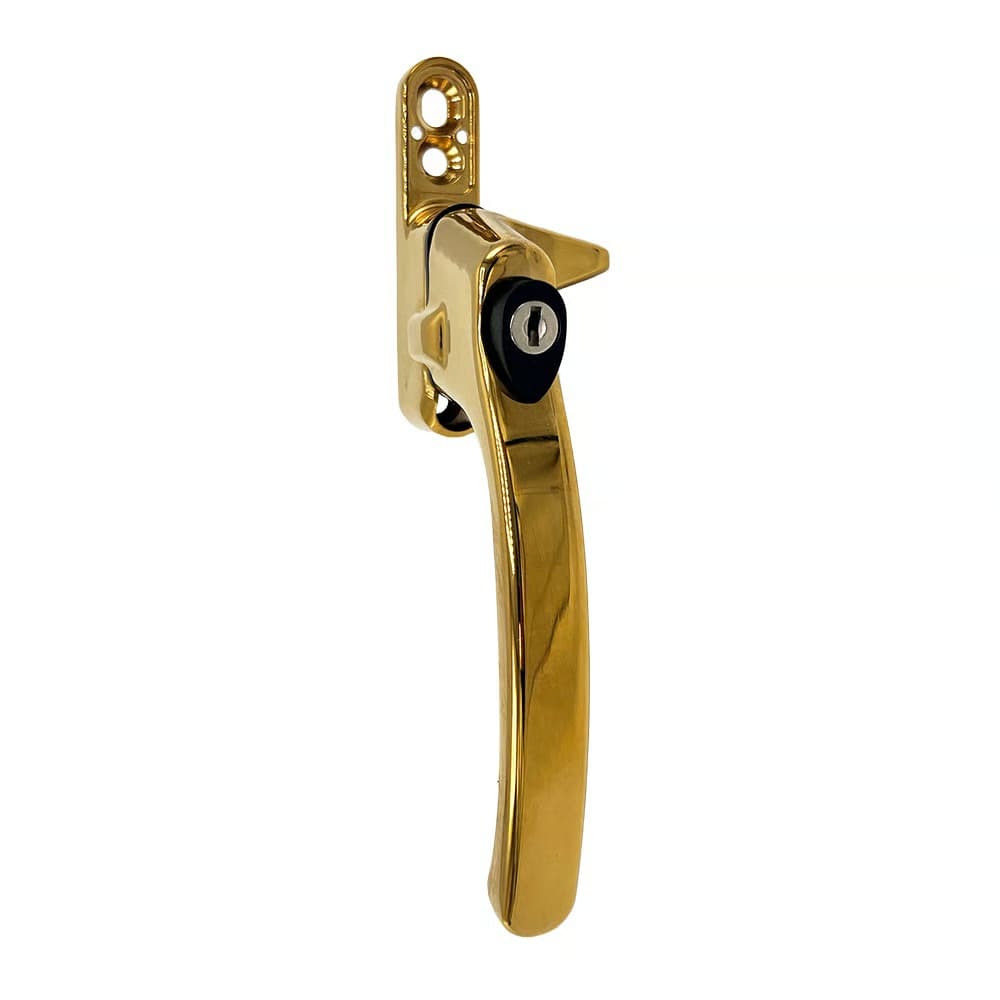
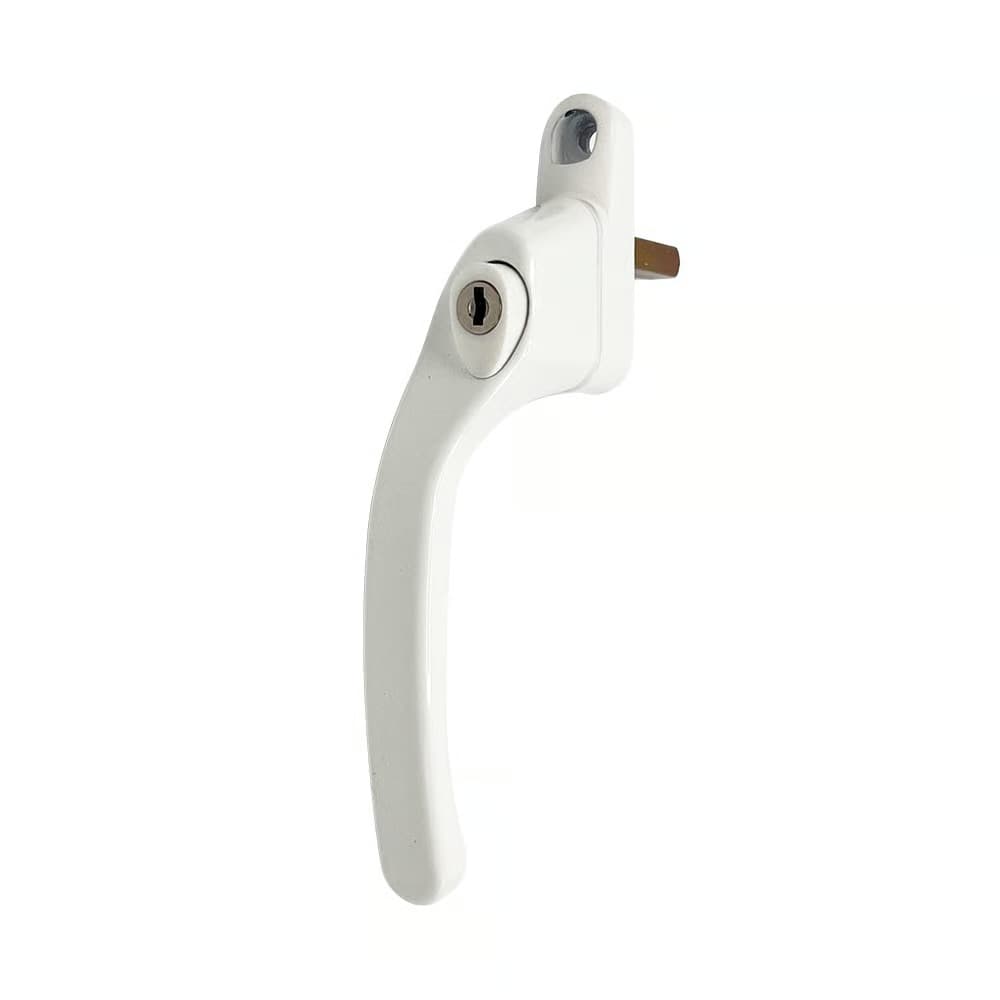
- Identify the handle type: espagnolette (espag), cockspur, or tilt-and-turn/lever style. Each requires different removal methods and replacements. For espag mechanisms, note the spindle size and screw centres; for cockspur handles, check if the handle uses a projecting latch; for lever/tilt-handles confirm whether they are universal or manufacturer-specific.
- Inspect the locking mechanism: determine if the handle operates a multi-point espagnolette or a simple latch. A worn espag lock may require replacing the locking mechanism rather than just the handle.
- Note wear and damage: cracked handle plastic, stripped screw heads or corroded components should be recorded. Photo documentation aids accurate ordering of parts.
- Measure for compatibility: measure the distance between fixing screws (centres), spindle length, and projection. Record handedness (left or right opening) and whether the handle is for an inward or outward opening window.
Tools and materials required
- Screwdrivers: Pozidriv and flat-head in appropriate sizes for common fixing screws.
- Hex keys/Allen keys: some handles use hex set screws.
- Replacement handle suited to the window type, such as an espag, cockspur or lever handle.
- Cleaning cloth, terminal spray (light lubricant), thread repair compound or replacement screws if fixings are damaged.
- Protective eyewear and gloves for tradespeople handling older or corroded hardware.
Safety and preparatory steps
- Secure the working area: ensure the window is closed and, where applicable, propped safely. For sash or tilt-and-turn windows, follow manufacturer guidance to isolate the moving pane.
- Protect surrounding surfaces and glass with a soft cloth or masking tape while working to prevent scratches.
- Disconnect any child safety catches or restrictors before removal, and retain any loose components in a labelled container for re-use or assessment.
Removing the old handle — step-by-step
1. Unlock and close the window fully so the handle is in the neutral or closed position. 2. Remove any cover plates: many handles have cosmetic caps hiding fixings. Use a flat-head screwdriver gently to pop these off. 3. Unscrew the fixing screws: support the handle while undoing screws to prevent the handle from dropping and damaging the frame. 4. Withdraw the spindle: pull the handle clear from the frame. For espag handles, the spindle may be retained in the mechanism — rotate the handle to align and extract the spindle. For cockspur types, slide the handle away from the latch and lift off. 5. Inspect the mechanism: check the frame for damaged screw threads or stripped inserts. Replace fixings or insert thread repair if necessary before fitting a new handle.
Choosing the correct replacement
- Match fixing centres and spindle dimensions: the new handle must align with existing screw holes and spindle length; otherwise, filler or modification will be required.
- Material and finish: choose corrosion-resistant finishes for exposed or coastal locations. Aluminium or stainless fixings extend life.
- Locking functionality: select handles with the required number of locking points (keyed lock, push-lock, or integrated multi-point compatibility). For espag systems, choose handles that accommodate the existing gearbox and spindle type.
- Security standards: consider handles accredited to recognised standards (e.g. PAS 24) for enhanced security where required.
Fitting the new handle — practical tips
- Test-fit before final tightening: align the spindle and screw holes, then lightly tighten fixings and operate the handle through full travel to ensure smooth engagement with the locking mechanism.
- Use thread locker or correct torque on fixings: avoid over-tightening which can crack plastic handles, but ensure screws are secure enough to prevent wobble.
- Adjust spindle length if required: some replacement handles include adjustable spindles or spacers to accommodate different frame depths.
- Refit decorative caps and verify operation: check lock/unlock action, handle return spring and alignment across multiple open/close cycles.
Troubleshooting common problems
- Handle stiff or not engaging: apply a light lubricant to the mechanism and check if the spindle is fully engaged. For espag locks, verify the locking points are in the correct position.
- Handle wobbles or screws strip: replace fixings with slightly longer or wider screws into solid material, or use thread repair inserts for worn out holes.
- Replacement handle sits proud or recessed: use spacers/shims or select an alternative model with a different backset to achieve flush fit.
- Misaligned locking points after replacement: adjust striker plates on the frame to match the locking hooks or cams.
Final checks and maintenance
- Cycle the window at least 10 times to bed in the new handle and mechanism, checking for consistent operation.
- Clean and lubricate moving parts annually with a silicone-based lubricant to prolong life and maintain smooth operation.
- Keep spare fixings and keys (if fitted) in a safe place and document part numbers for future replacements.
Quick replacement checklist
- Identify handle type and measure spindle, screw centres and handedness
- Photograph existing setup and retain old fixings
- Source compatible replacement: verify finish, lock type and security rating
- Gather tools: appropriate screwdrivers, lubricants, protective gear
- Remove handle carefully and inspect frame for damage
- Fit replacement, test operation and adjust as necessary
- Secure fixings with correct torque and refit cosmetic covers
- Cycle window and perform maintenance check